
Illinois Repeals Nuclear Ban as Power Needs Grow
Citing grid reliability and cost control, Pritzker welcomed the bill to his desk as lawmakers pushed for long-term clean-energy investment.

Akul Saxena
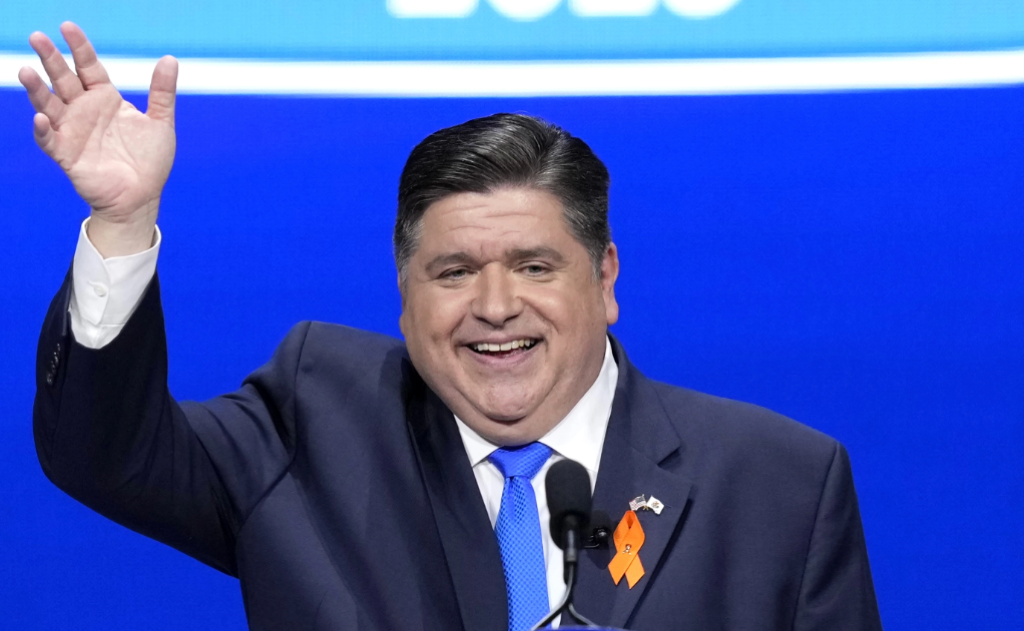
Nov. 3, 2025 — The Illinois General Assembly voted to lift a three-decade moratorium on new nuclear development, sending Senate Bill 25, the Clean and Reliable Grid Affordability Act, to Gov. J.B. Pritzker (D) for signature.
The bill, approved Thursday, Oct. 30, by the Illinois General Assembly, also funds energy-storage projects through a ratepayer charge beginning in 2030. Pritzker said he looked forward to “signing this bill into law, help Illinoisans keep costs lower and keep the lights on.”
The measure repeals Illinois’s 1987 moratorium on large-scale nuclear construction, expanding on a 2023 law that authorized small modular reactors. Beginning Jan. 1, 2026, utilities and developers may seek permits for new commercial reactors under rules that had barred such projects for decades.
Supporters framed the legislation as an affordability measure designed to strengthen the grid and stabilize prices. “This package is about making energy more affordable for ratepayers in years ahead,” state Sen. Steve Stadelman, D-Rockford, the bill’s sponsor, told ABC. “If we do nothing, rates are going to continue to go up.”
The law directs the Illinois Commerce Commission to develop new planning tools for balancing energy supply and demand, including programs to support battery storage and energy efficiency. Renewable industry leaders said those changes will help lower wholesale electricity costs.
Amy Heart, senior vice president for policy at Sunrun, a leading solar panel and battery storage company, told ABC that Illinois’s new “virtual power plant” program will allow utilities to coordinate power from residential solar and battery systems to reduce strain on the grid.
Environmental groups including the Natural Resources Defense Council and the Union of Concerned Scientists praised the measure as a tool for meeting Illinois’s cost-effective clean-energy targets, though Republicans and business groups warned that its funding mechanism will raise bills. “This is a huge overreach by the governor’s administration,” said Sen. Sue Rezin, R-Morris. “He just gave all of the power for energy-making decisions to the ICC - five unelected officials that he appoints.”
Illinois hosts 11 commercial nuclear reactors across six plants, the most of any U.S. state. Analysts said the bill positions Illinois to attract new industrial and data-center investment as Big Tech turns to nuclear-backed power to meet surging electricity demand.
In June, Meta signed a 20-year agreement with Constellation Energy to draw power from the 1,092-megawatt Clinton Clean Energy Center in central Illinois.
If signed into law, Illinois will join states such as Wisconsin, Kentucky, and Montana in repealing nuclear-construction bans.







Member discussion