ISPs Warned: Watch Out for BEAD’s Longer Quiet Periods
After fielding applications, Louisiana is still locking down commitments for nine percent of its eligible locations.

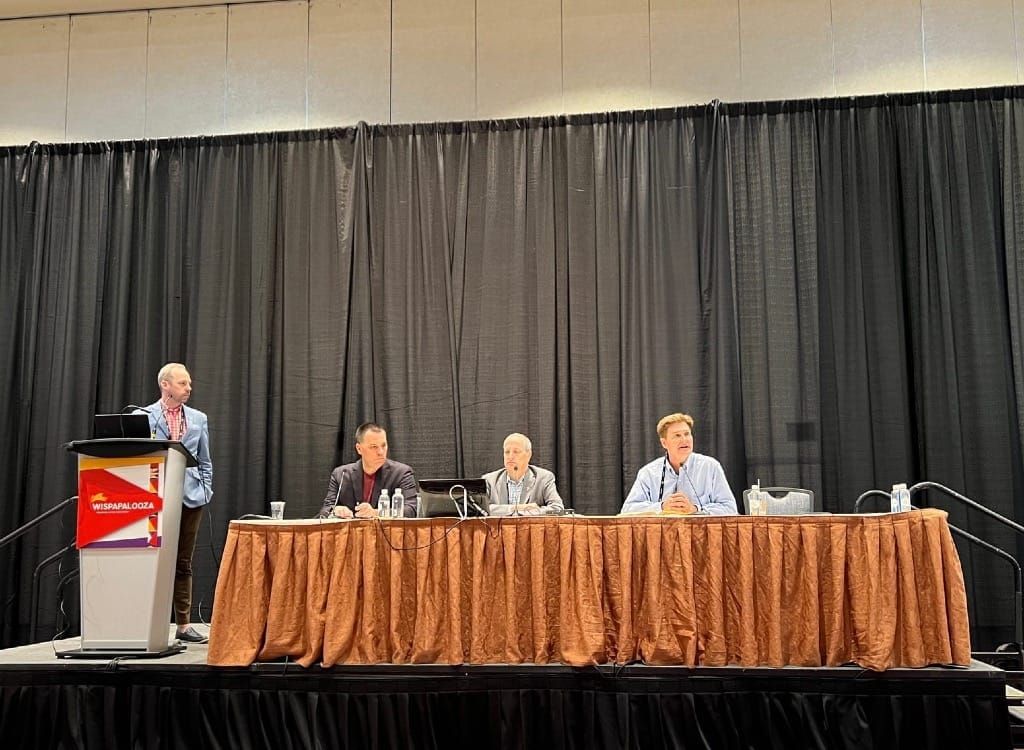
LAS VEGAS, Oct. 14, 2024 – ISPs competing for a slice of the Commerce Department’s $42.5 billion broadband grant program are probably in for a long quiet period, WISPA’s regulatory counsel said Monday.
That’s the time during which applicants are blocked from communicating with each other or publicly about their bidding strategies and whether they secured funding. It’s a standard part of grant programs and usually lasts from when a state or agency opens applications until it announces awards.
What’s different about the Broadband Equity, Access, and Deployment program is that states are required by law to fund a project connecting every single home and business without adequate broadband, and it’s likely some states will have to work with providers to secure bids for the hardest to reach places.
Steve Coran, WISPA’s outside regulatory counsel, said at the trade association’s conference here that states probably aren’t going to announce awards until they finish that process.
“If you’re an applicant in a state, be aware of what your quiet period rules are and understand that they will last a long time,” he said. “You don’t want to find yourself having won, and then find yourself having lost.”
He pointed to Louisiana, which closed its second grant application round on Sept. 25. The state published some high-level numbers showing about a third of its project areas, encompassing about nine percent of its eligible locations, received no winning bidders.
Coran estimated it will take another month for the state to lock down commitments for those remaining 12,000 locations. The state will then have to allocate any money it might have left over toward things like workforce development or digital equity efforts before putting its spending plan together, and BEAD winners will have to be tight-lipped all the while.
At least eight states have or are about to open their grant application windows, and several more have started taking pre-qualification applications. Their anti-collusion rules vary, but they generally allow for a participant to talk about bidding strategies or disclose that they won funding to some third parties, including consultants, financial advisors, and sometimes vendors, so long as those entities don’t relay that information to other bidders.
“You also want to be careful that anybody you do tell, whether it’s a vendor or a financial advisor, doesn’t become a conduit for prohibited communication,” Coran said. “That’s a big deal.”
In July, the Federal Communications Commission announced a ban on imports of new foreign-made humanoid robots.
Experts say true AI literacy is about much more than learning how to use generative AI. It's also about learning when not to.
The longtime telecom policy analyst didn’t say what his future plans were
The FCC approved Verizon’s request to discontinue legacy service later this year across eight states. AT&T and Fidium are also asking.
America250 / Telecom150
Be part of the broadband community.
Breakfast Club access through December 31, 2026—at least three months—with no automatic renewal.
Everything in Breakfast Club, plus an in-person seat for “250 Years of American Independence & 150 Years of American Telecommunications” on Thursday, October 1, 2026.
Secure paid checkout is provided by HubSpot. Paid passes DO NOT renew automatically.
Complete your secure one-time payment without leaving Broadband Breakfast.