
KIDS Act Passes Energy and Commerce along Partisan Lines, COPPA 2.0 Postponed
Additional bills on kids online safety and cybersecurity passed with bipartisan support

Eric Urbach
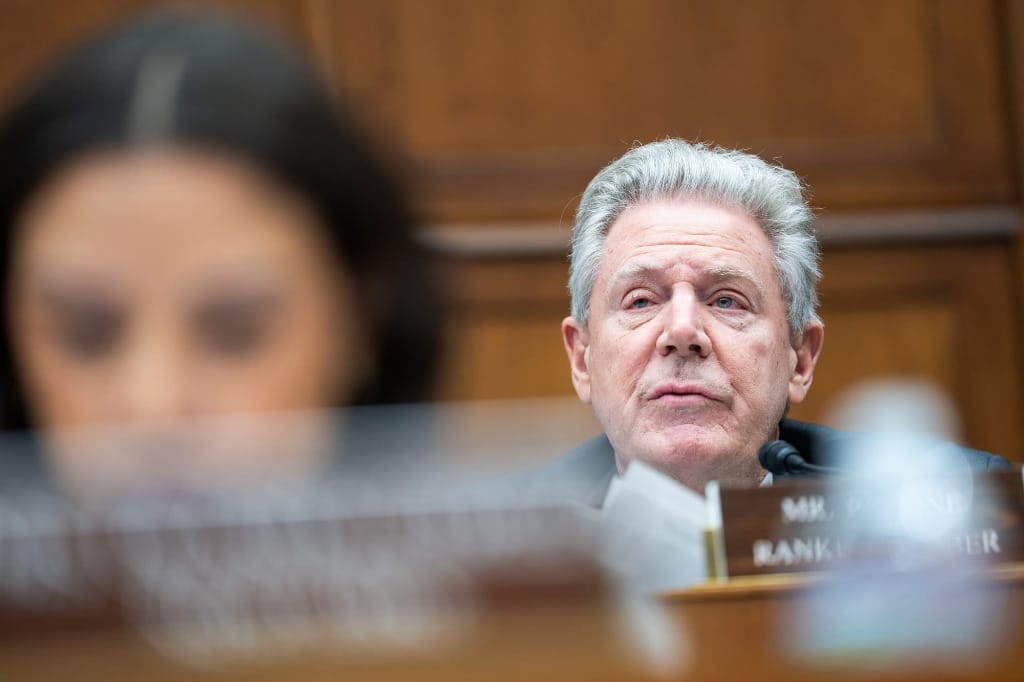
WASHINGTON, March 5, 2026 – As parents filled the Energy and Commerce Committee chamber holding images of their deceased children, there was broad recognition from all members present that congress needed to step up and regulate big tech.
The House Energy and Commerce Committee passed the Kids Internet and Digital Safety Act, or KIDS Act, during a markup hearing on Thursday on a partisan basis.
Despite discussions that lasted through last Friday, bipartisan support fell apart over two key previsions: state law preemptions and a duty of care standard that would set legal safety standards for companies to follow, currently in place for toy or other game manufacturers.
“The KIDS Act is the most serious, comprehensive piece of legislation to address online safety to date.” said Committee Chair Rep. Brett Guthrie, R-KY, in a statement. “There is no one-size-fits-all fix that can help American families navigate the challenges they face in today’s digital childhood. No single policy that can empower parents or fully remove every threat from the internet. That is precisely why this bill takes a wide-ranging approach.”
Rep. Jake Auchincloss, D-Mass., said the bill without these previsions was a “Meta markup,” noting that the bill created a giant loophole for companies to be able to deny knowing their products cause harm, and circumvent state laws that may have tougher restrictions.
Rep. Alexandria Ocasio-Cortez, D-N.Y, added that the bill was an example of the cynical way Washington works, where a bill produced under the guise of safety is actually a “smokescreen” to give big tech companies everything they want.
Republican members disagreed with this characterization. While several members admitted that the bill wasn’t perfect, they believe the bill took important steps forward to protect kids online and provide parents with tools to keep their children safe.
“This is a cumulation of a lot of work by this committee to bring meaningful durable protections to American children online and our efforts are genuine,” said Erin Houchin, R-Ind. “I want to see us get something done”
The KIDS act brought together several bills into a larger package that establishes parental control tools to establish strict privacy settings, safeguards against restricted communications, and instructs the FTC to conduct third party audits of safety protocols, among other things.
“Protecting kids and empowering parents is not a partisan issue, and this bill largely reflects the universe of policies we had bipartisan agreement on,” Guthrie said.
COPPA makes bipartisan progress
Another bill up for vote, the Children and Teens’s Online Privacy Protection Act or COPPA 2.0, was put on hold after discussions between Guthrie and the staff of Ranking Member Rep. Frank Pallone, D-N.J., yielded progress. The vote was tabled to allow for an opportunity at a bipartisan bill.
The Senate passed its version of the bill during the hearing under unanimous consent, which spurred these discussions in the house. Sen. Edward Markey D-Mass. who introduced the bill in the Senate believed passage was a major step forward to protecting teens online and said he was ready to work with house colleagues in a bipartisan manner to get it over the line.
“This bipartisan legislation represents the most significant update to our nation's online privacy protections for young people in more than twenty-five years,.” Markey said “Kids, families, and parents have waited far too long for Congress to pass legislation and stop Big Tech’s relentless tracking and targeting of children and teens online.”
Other online safety and cyber security also passed on a bipartisan basis out of committee including Sammy’s Law, Rural and Municipal Utility Cybersecurity Act, the Energy Emergency Leadership Act, the SECURE Grid Act, among others




Member discussion