Knowing State Laws Helps Fiber Companies Work With Railroads, Expert Says
Eagle 1 Resources CEO stressed the need to understand laws governing railroad crossings

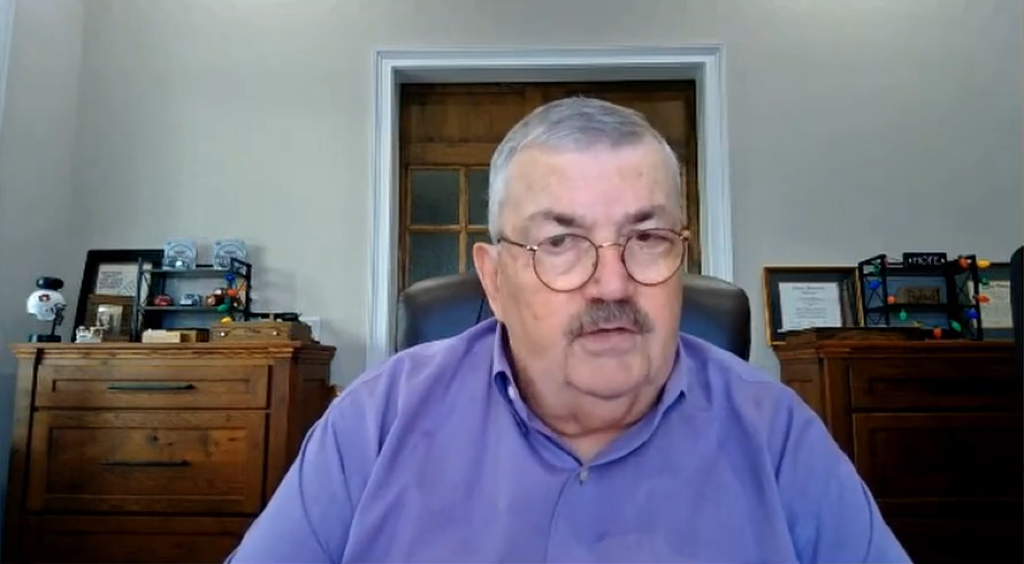
WASHINGTON, July 22, 2026 – As fiber deployment faces hurdles when deploying at railroad crossings, a telecommunications expert is emphasizing the importance of knowing state laws around railroads.
Eagle 1 Resources CEO Dave Thomas discussed the challenges that fiber deployment faces when working with railroads in a Fiber Broadband Association webinar on Wednesday.

working with railroads, broadband providers can face excessive fees or permitting delays that cause projects to come to a halt. Delays caused by railroad crossings can create months-long bottlenecks that create challenges for fiber deployment.
Thomas explained that broadband providers want to work with railroad companies but are held hostage by extensive and restrictive documents to be able to get approval for deployment. When it comes to signing documents, Thomas emphasized, “Question what’s going on; that is one of the things that can save you (broadband providers) a ton of money.”
Becoming knowledgeable about the laws around permitting fees, railroads, and other areas that impact deployment can help companies avoid excessive fees.
“First thing you (broadband providers) need to do is be aware of what state you’re in and what the laws are in that state and if there’s any court decisions,” Thomas said.
Railroad companies must comply with laws under the Federal Railroad Administration, and this can create confusion when working with providers because laws that apply to railroads are not applicable to fiber optics. Knowing laws will help providers understand what they are required to comply with and what does not apply to them.
Eagle 1 Resources is an Alabama-based telecommunications consulting group that helps utility companies and fiber providers navigate railroad fees and crossing projects.