Lawmakers Reintroduce Bill to Permanently Expand Medicare Telehealth Access
Covid-era flexibilites are set to expire Sept. 30.

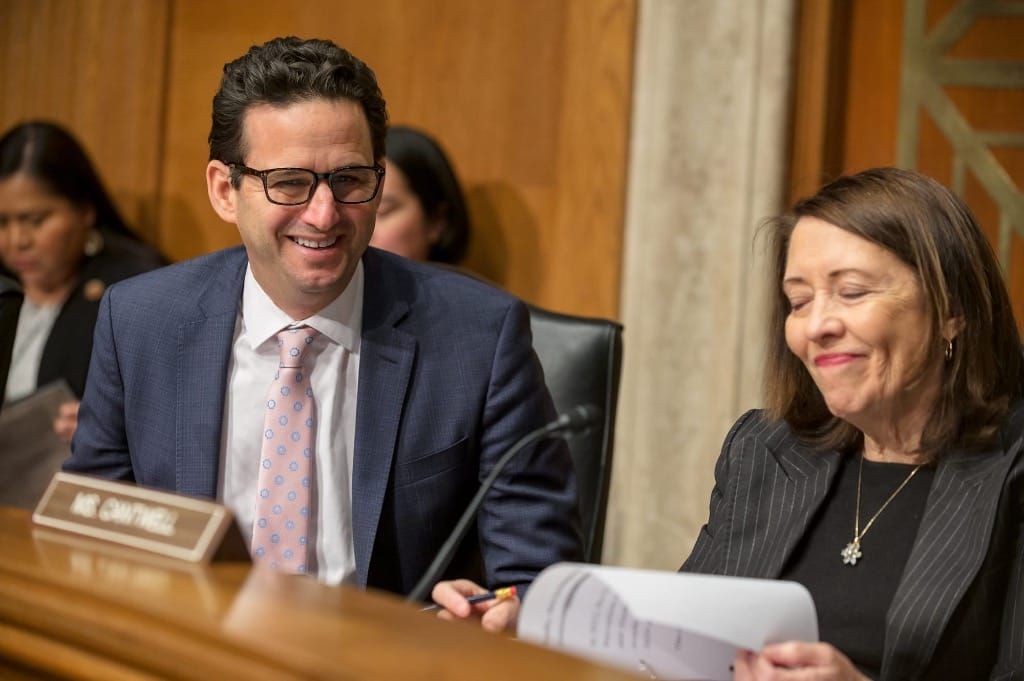
WASHINGTON, April 3, 2025 – A bipartisan group of more than 60 senators reintroduced a bill Thursday to make permanent Covid-era rules that loosen restrictions on Medicare coverage for telehealth services.
The flexibilities were most recently extended last month as part of the stopgap measure keeping the government funded.
They’re now set to expire on Sept. 30 absent more Congressional action.
“We live in a digital world, and our health services should reflect that,” Sen. Roger Wicker, R-Miss., said in a statement. “It is time to make telehealth coverage permanent for Medicare recipients so that more Americans, especially those in rural Mississippi, have access to health care.”
The temporary measures the bill would make permanent include a lack of geographic restrictions and a broader range of practitioners whose telehealth services are covered. The legislation would also remove a requirement for periodic in-person visits, allow restrictions to be more easily waived in a public health emergency, and require more data to be published for research purposes.
The bill was introduced by Sen. Brian Schatz, D-Hawaii. Schatz and other lawmakers have been reintroducing the bill since 2016, incorporating updates with each new draft. Temporary extensions of the Covid response measures have in recent years pushed the deadline by which lawmakers would have to make the changes permanent.
NextGen LEOs pack a punch: 1 Tbps of downlink and 200 Gbps of uplink capacity per satellite or more than 10 times the bandwidth of V2 models, becoming a larger threat to established ISPs nationwide
Economists expect the $700 billion investment in data centers will continue to push up inflation at least through the end of this year.
The agreements with Hummingbird AI Holdings and Ernst and Young were signed on Friday, the first such agreements with a Caribbean country.
Pew said in a recent paper that states have multiple avenues for shoring up their workforces ahead of BEAD