Levin: Despite DOJ Concerns, EchoStar Spectrum Deals Likely in the Clear
Verizon was reportedly in talks to buy the satellite company's AWS-3 licenses.

Jake Neenan
WASHINGTON, Sept. 30, 2025 – EchoStar likely wouldn’t face regulatory roadblocks if it reaches a deal to sell its AWS-3 spectrum to Verizon, New Street Research analysts wrote Tuesday.
Bloomberg reported Monday evening that the companies were nearing a deal. The news came after EchoStar agreed to sell much of its spectrum portfolio to AT&T and SpaceX for $40 billion, both efforts to satisfy a Federal Communications Commission that was concerned the company was warehousing spectrum.
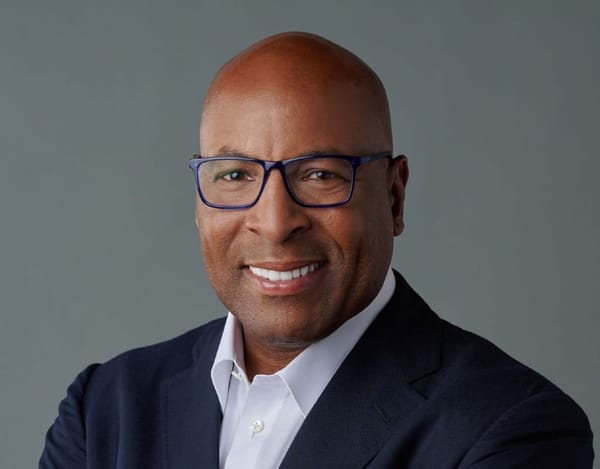
AT&T would acquire EchoStar’s 600 MegaHertz (MHz) and 3.45 GHz licenses for $23 billion, and SpaceX would take the company’s AWS-4/2 GHz and PCS H-block licenses for $17 billion. Those deals, which also need the Department of Justice and FCC to sign off, are likely in the clear as well, New Street analyst Blair Levin wrote in a research note.
EchoStar is now expected to liquidate its remaining spectrum licenses, with its aims of becoming a fourth national competitor ended by the already announced sales.
That’s apparently good news to investors – the company’s stock was up 3 percent after news about the Verizon talks broke. Bloomberg cited a Securities and Exchange Commission filing from EchoStar pegging its remaining AWS-3 licenses at about $9.8 billion
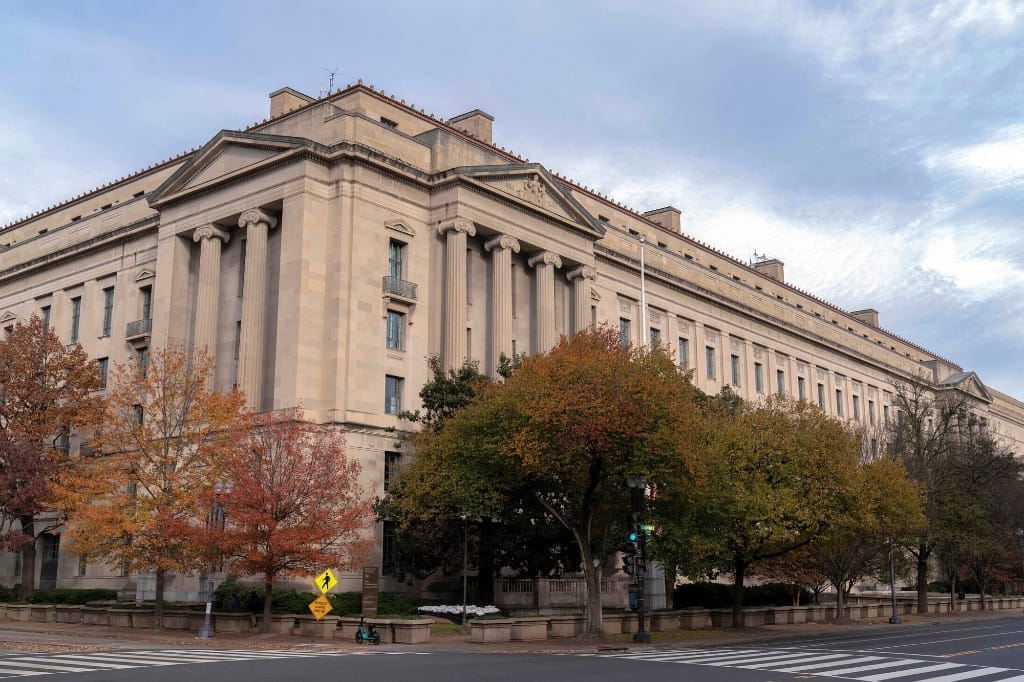
Levin noted the DOJ and FCC have opposing views on spectrum aggregation. The DOJ said when it approved T-Mobile’s acquisition of UScellular that it had strong concerns about consolidation in the wireless industry, and specified it would step in to block spectrum deals it thought were harming competition.
By contrast, the FCC initiated two probes into EchoStar in an effort to push the company to sell its airwaves to the major carriers.
Still, Levin wrote that the DOJ was unlikely to block the sales because there aren’t many feasible bidders other than the wireless carriers. And even if the agency did, he wrote the companies had a good chance of prevailing in court.
He wrote the DOJ might ask for better deals for cable companies that use carrier infrastructure to offer their own mobile service. The cable giants count more than 18 million mobile lines among them, offered through deals with Verizon and T-Mobile, and AT&T has a similar deal with a group of smaller cable operators
“The spectrum deals are highly likely to be approved but there is a question mark about whether the process will lead to improved – in quantity and/or quality – MVNO offerings,” Levin wrote.
Member discussion