
Ligado and Competitive Carriers Association Talk Unlocking Broadband Coverage at Lunch Event
Broadband Breakfast, in person and for lunch, heard about the possibilities with spectrum sharing and combining technologies for coverage.

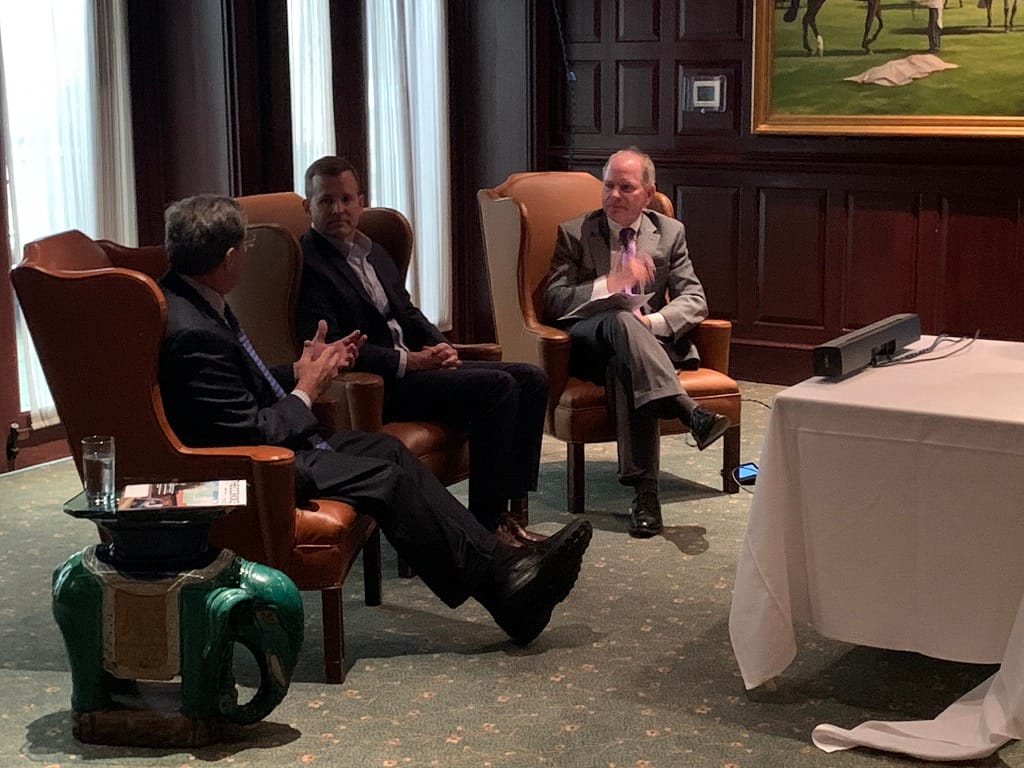
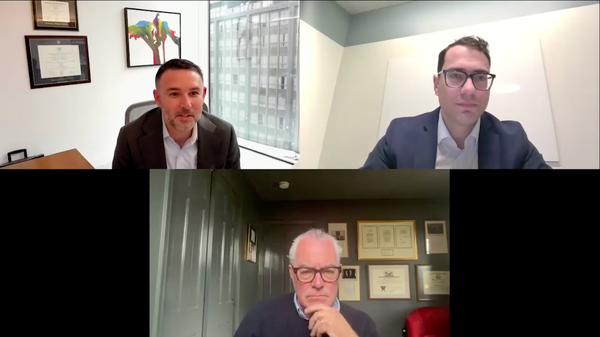
WASHINGTON, September 9, 2021—Doug Smith, president and CEO of Ligado Networks, said at Broadband Breakfast’s first in-person lunch event Wednesday that a combination of satellite and on-the-ground technologies will prove to improve connectivity for all Americans.
Smith said the ubiquitous coverage of satellites seamlessly coupled with the speed and penetrative capabilities of terrestrial networks thanks to 5G technology is where broad connectivity is unlocked.
Ligado, a satellite and technology company, has fostered close relationships with companies like Mavenir and Nokia to see these visions realized and allow more people around the country to access broadband and cellular services no matter where they are in the country. In 2020, Ligado received unanimous approval from the FCC to launch spectrum sharing operations in the L band, despite fierce push-back from the Department of Defense.
 Broadband Breakfast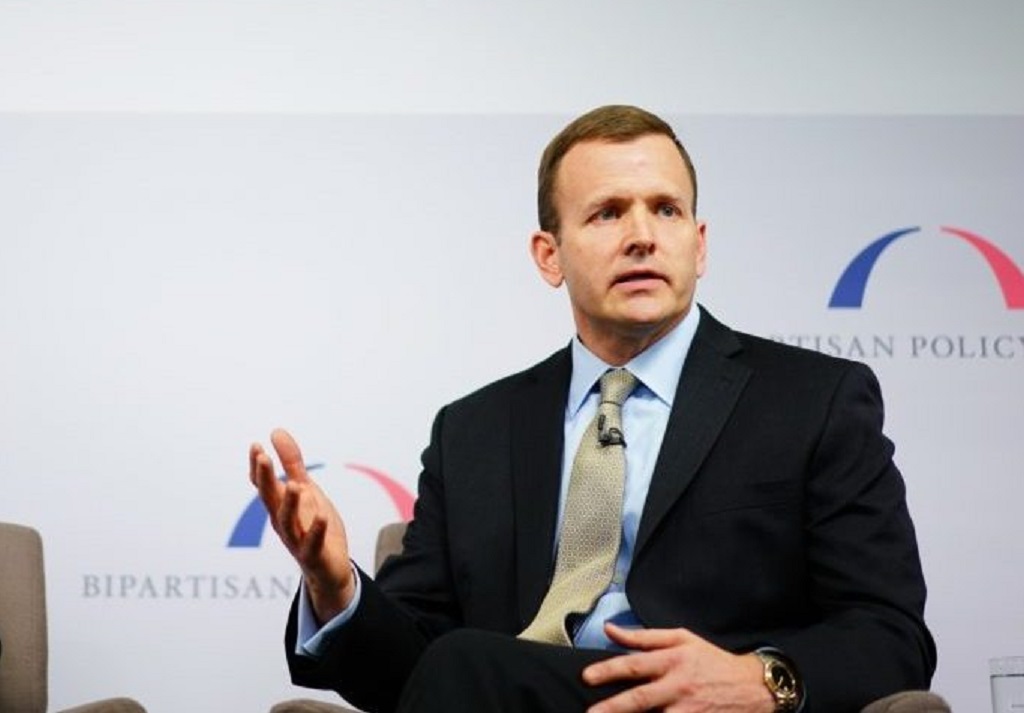
The question of providing better service to rural consumers is of particular importance to the Competitive Carriers Association, whose President and CEO Steven Berry also joined Broadband Breakfast Editor and Publisher Drew Clark for lunch.
Though they are not the largest advocate in the telecom sector, they provide rural carriers with a voice in areas that are economically difficult to serve. “Many of our members try and effectively serve rural areas that either no one else tried to attempt, or they are the most difficult areas in the United States,” Berry said. “That is why we have always had an appreciation for Ligado.”
Berry explained how historically, Ligado promoted a wholesale model that was designed to work with small carriers. He went further, explaining that for many regions, internet connectivity does not make economic sense, and that business models are often unsustainable due to the often sparsely populated and difficult terrain.
Ligado’s model allowed these companies, he said, to enhance their coverage, backhaul, and overall cost effectiveness. “We are of the opinion that every tool in the tool has to be utilized and each situation is unique,” Berry said.
“Each carrier that tries to service those unique areas is also unique—the possibilities to team with Ligado [puts small carriers in a great position to pull that off].”
The push for ubiquitous 5G
Whether it is improving coverage through expanding into more bands or creating handheld devices capable of utilizing satellite and terrestrial technologies, Ligado pushing to unlock the true capabilities of 5G technologies.
In the past couple years, Ligado has focused its efforts on bringing 5G to the forefront of its services. “This is the transition of a generation of technology that is not like anything we have seen before,” Smith said.
“This is not like 2G to 3G, or even 3G to 4G.” He described Ligado’s role, which he believes is to support the U.S.’s critical infrastructure in industries like energy, transportation, and manufacturing. He stated that operating in bands such as the L band is critical for Ligado to fulfill this role.
“Our vision is to bring the power of a 5G commercial network to bear on private industries.”





Member discussion