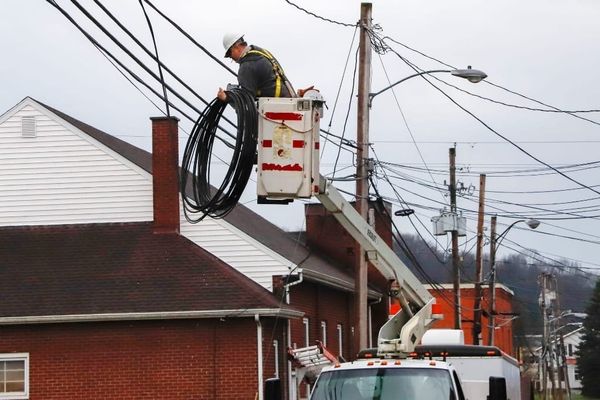
Lumos Asks FCC to Preempt Two Ohio Counties’ Rights-of-Way
Fiber provider says local permitting requirements near double anticipated project costs

WASHINGTON, Aug. 10, 2026 – Two northeastern Ohio counties are hiring outside counsel to fight a federal petition filed by fiber optic provider Lumos.
Lumos filed its petition on June 18 asking the Federal Communications Commission to preempt Stark and Mahoning Counties’ local right-of-way requirements under Section 253 of the Communications Act, arguing that permitting requirements in both counties have effectively caused it to abandon projects that would have reached roughly 200,000 Ohio households.


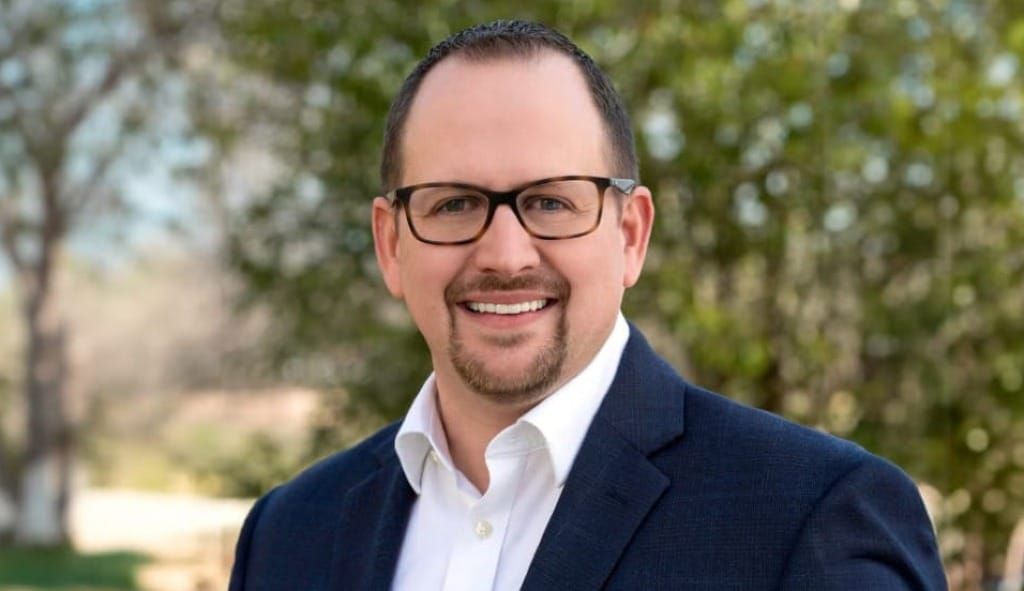
“This wasn’t a decision Lumos made lightly,” Lumos’s VP of Marketing Derek Kelly said in a statement explaining the company’s decision. “Before filing the petition, more than a year was spent working with county officials in an effort to find a practical path forward.”
In Stark county, Lumos challenged a $1-per-linear-foot construction fee and inspection charges of $55 to $75 an hour. The company also drew issue with both counties over requirements that construction plans be prepared and certified by an Ohio-licensed professional engineer and supported by base mapping from a professional surveyor.
Lumos estimates Stark county’s requirements would have added about $2.74 million to its project, roughly 50 percent of anticipated costs and 23 percent of expected five-year county revenue, while Mahoning’s survey mandate alone would add an estimated $3.9 million.
“The surveying requirement alone would have added roughly $1.5 million in costs and potentially delayed construction for years due to the limited number of licensed surveyors available to perform the work,” Kelly wrote. He argued the same right-of-way access in other jurisdictions generally would not exceed $500.
Lumos ultimately abandoned both buildouts, stranding more than $2.6 million in sunk engineering costs and leaving an estimated 200,000 households without access to its service.
Local officials describe the rules differently
Mahoning County Prosecutor’s Office civil division chief Kathi Welsh, whose community has clashed with fiber installers over damaged utility lines and unfinished excavation work, said the survey mandate exists to ensure safety and protect existing infrastructure in the right-of-way.
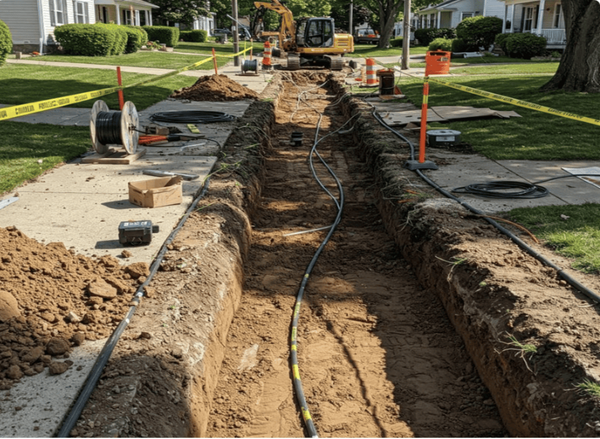
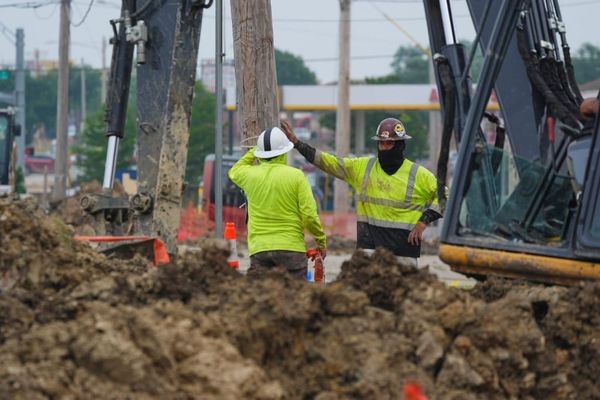
Lumos already faced a significant safety incident in the region. The company was boring underground in Girard on April 30 when a gas line ruptured and triggered an explosion that destroyed a home, leaving its residents homeless.
Girard has suspended further fiber excavation pending the results of a state investigation, and township officials in nearby Boardman have asked state lawmakers for expanded authority to issue emergency stop-work orders and set uniform excavation safety standards.
Welsh said that a favorable ruling for Lumos would constrain how the county manages its roads generally.
Recurring issues for the provider
Lumos has faced pushback from local officials over its construction work before.
A lawsuit filed in Spartanburg County, S.C. reported April 2025 alleged Lumos ruptured a sewer line, causing sewage backflow into a home and a resident’s infection. The suit claims Lumos has been responsible for six gas leaks and multiple water-main strikes in Columbia, S.C., plus a sinkhole in a public road, and says the incident was one of several.
In Floyd County, Ind., commissioners issued an immediate stop-work order in June 2025 on all Lumos utility permits, citing violations of the county utility agreement and public-safety concerns raised by a local fire district. Lumos had planned to serve more than 80,000 homes in Clark and Floyd counties.
The company has been pursuing an aggressive expansion since T-Mobile and private equity firm EQT completed a joint venture to acquire Lumos in April 2025, with the companies targeting expansion of the fiber network to 3.5 million homes by the end of 2028. T-Mobile took a 50 percent stake and assumed the customer relationships, while Lumos continued building and operating the fiber network.
In a July 2026 post, Lumos says it “fully supports reasonable local oversight” and works with “hundreds of municipalities across the country,” however, the permitting requirements imposed in Stark and Mahoning counties made deployment economically unworkable.
As for the two northwestern Ohio counties
Mahoning County Commissioners approved a resolution Thursday authorizing the appointment of Washington, D.C.-based telecom attorney Gerard Lederer of Best Best & Krieger, at the request of the county prosecutor’s office. Mahoning will cover the legal costs upfront, with Stark county reimbursing half.
Before joining BBK, Lederer was with Miller & Van Eaton, a firm known for representing municipalities on right-of-way law, where he often represented local governments on cable, wireless, and small-cell siting disputes.
He has been publicly critical of federal efforts to preempt local right-of-way authority. In January 2026 he raised concerns about the American Broadband Deployment Act’s impact on local permitting authority and in October 2025 he questioned whether the FCC had adequately justified new wireless infrastructure streamlining rules.