Maine Broadband Official to Leave Post Following BEAD Plan Approval
Allenby helped shape programs reaching thousands of unconnected Maine households.

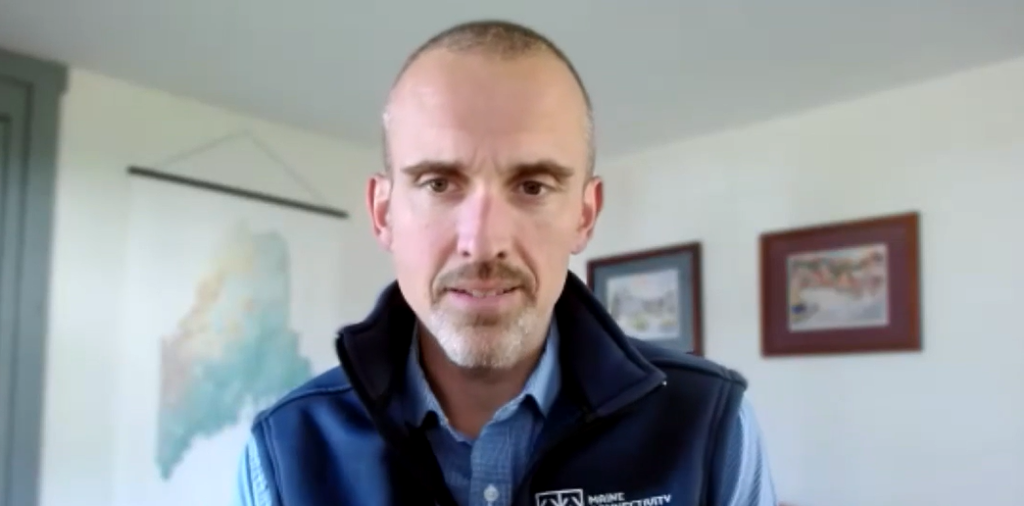
Nov. 22, 2025 – Brian Allenby, chief operating officer of the Maine Connectivity Authority, will step down Dec. 12, three weeks after federal regulators approved the state’s $48.4 million broadband deployment plan.
Allenby, working with state broadband officer Andrew Butcher, helped Maine secure one of the lowest average cost levels nationwide at $2,080 per proposed location and attracted $109 million in private matching funds from internet service providers.
The approved plan is set to support projects reaching 23,260 homes and businesses.
In March, Maine received applications covering 79 percent of eligible locations, with 70 percent of proposed project areas drawing multiple bids. More than 90 percent of applicants committed to completing construction within two years of receiving permits. The approved plan will connect 23,260 homes and businesses.
Allenby played a key role in developing the Working Internet ASAP program, which aimed to distribute free Starlink terminals to 9,000 unconnected locations at $600 per site. Users pay $120 monthly for service.
Maine deployed $250 million in federal, state and private funds to connect more than 86,000 homes and businesses to high-speed internet.
“The opportunity to serve the people of Maine through MCA’s work has been a highlight of my professional career,” Allenby said in an email to Broadband Breakfast on Wednesday.
The Beijing-based startup Moonshot on Friday unveiled its Kimi K3, the latest release of 'open-source' AI making California titans of AI sweat
A federal judge denied AT&T’s preliminary injunction request, but allowed advocates, local governments, and a telecom group to enter the case
The requirement was a condition of the T-Mobile-Sprint merger in 2020.
Advocates urge stakeholders to contact lawmakers as the Republican-led agency considers changes to the $2.5 billion broadband subsidy.