Malibu City Council Votes to Bar New Wireless Facilities in Residential Neighborhoods

The city enacted a resolution prohibiting the placement of new cell equipment closer than 300 feet of residential property lines.

Malibu City Council Votes to Bar New Wireless Facilities in Residential Neighborhoods
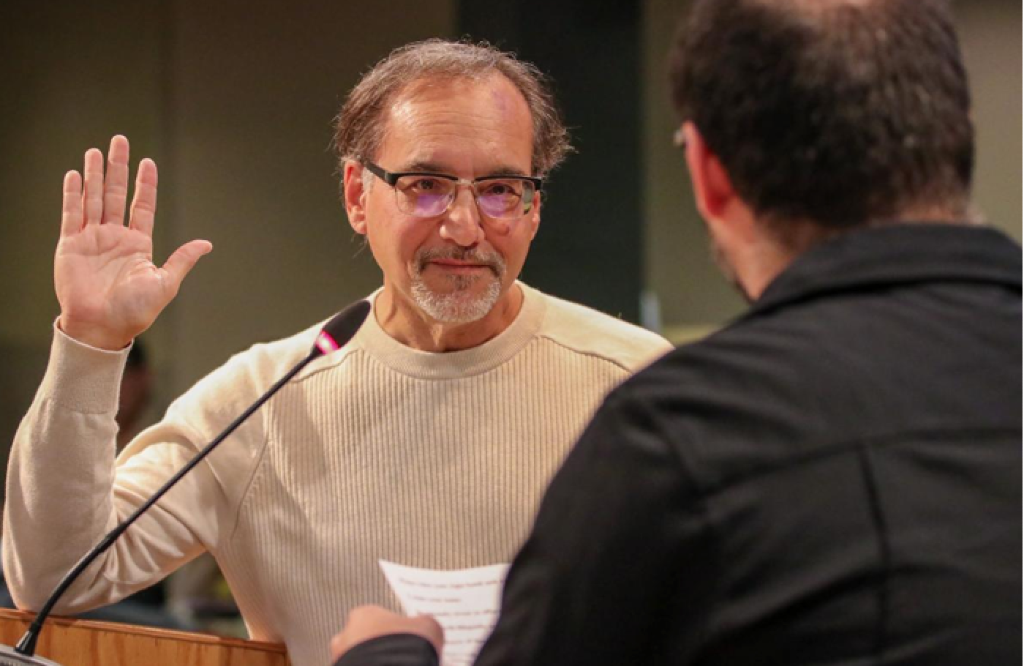
Photo of Malibu Mayor Bruce Silverstein being sworn in as mayor in Malibu, Calif., on Feb. 10, 2026, from the Malibu City Council.

WASHINGTON, July 23, 2026 – The Malibu City Council voted unanimously to bar new wireless facilities in the city’s residential neighborhoods on July 20. 

The California city, known for its coastal beauty and celebrity-occupied homes along scenic cliffs, approved a pair of resolutions, Resolution No. 26-53, that are designed to keep cell equipment away from homes.


“The residents have been clamoring for this for many years now, and every time it’s been raised, it’s been deferred,” Malibu Mayor Bruce Silverstein said before the vote, according to the Santa Monica Daily Press.

The vote enacted what officials call “Phase 1,” prohibiting new wireless installations in residential areas except where federal law requires the city to allow them. Changes took effect immediately and applied to any application submitted after the resolution was passed.

The restrictions apply to brand-new wireless facilities, making it so no new cell sites can be placed within 300 feet of a residential property line or on private land in residential zones. The required spacing between wireless facilities also increased from 600 feet to 1,000 feet.

The city is still required to approve changes to utility sites called “eligible facility requests” that comply with Federal Communications Commission criteria. City Senior Planner Patrick Archis said the city has approved 39 eligible facility requests in the past year. The last time Malibu, Calif. had a brand-new facility application was approved over three years ago.

In a previously passed ordinance, the city council expressed concerns over unrestricted placement of the wireless equipment because equipment can potentially degrade the value of properties, pose a risk to public health, and disrupt neighborhood environments. They also explained that failing utility poles can pose a fire hazard.

During the meeting, concerns were raised about limiting equipment while still maintaining a reliable service, especially since Malibu is a fire-prone city. Councilmember Marianne Riggins explained that while residents have expressed health concerns around 5G technology, the city cannot have coverage gaps, especially during emergencies.

 “We have gone through two major fires on the end of town and not had proper coverage so that people can get accurate information for evacuations,” Riggins said, according to the Santa Monica Daily Press.

Officials are aiming to enact Phase 2 in August or September. It will focus on fire safety, equipment upkeep and enforcement. Silverstein proposed requiring periodic inspections of wireless sites paid for by carriers to check for degradation and fire hazards.

Popular Tags