Members of Congress Vow to Skip Pay During Shutdown
Lawmakers called it solidarity with federal workers, though the Constitution guarantees their salaries continue.

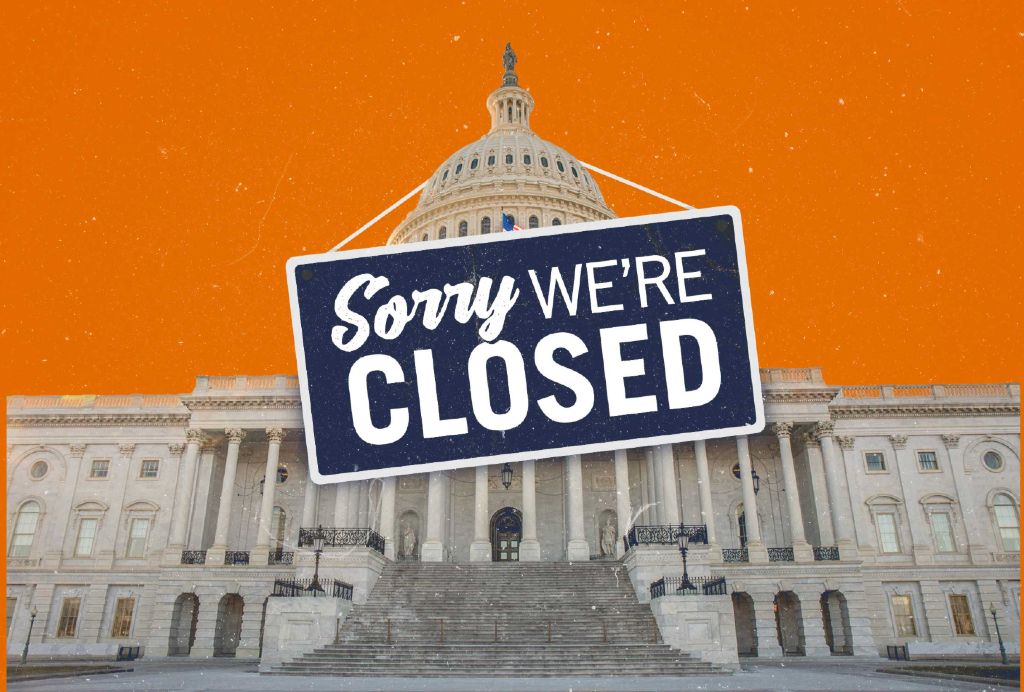
WASHINGTON, Oct. 9, 2025 — Several lawmakers pledged to reject their pay during the shutdown, making their salaries a statement of solidarity with federal workers.
Rep. John James, R-Mich., who is running for governor of Michigan in 2026, said he asked the House payroll office to withhold his salary. “If our servicemembers and federal law enforcement officers aren’t getting a paycheck during this lapse in appropriations, then neither should Members of Congress,” he said.
Rep. Eugene Vindman, D-Va., also said he would forgo his salary during the shutdown, and described the gesture as an act of fairness for public servants caught in the middle of the funding impasse.
Sen. Ashley Moody, R-Fla., said she will donate her pay to charity.
She is among a bipartisan group of lawmakers pledging to refuse or forgo their pay, including Sens. Ted Cruz, R-Texas, Rick Scott, R-Fla.; Lindsey Graham, R-S.C.; and Andy Kim, D-N.J.; and Reps. Chip Roy, R-Texas; Ashley Hinson, R-Iowa; Tom Barrett, R-Mich.; Mariannette Miller-Meeks, R-Iowa; Rob Bresnahan, R-Pa.; Josh Gottheimer, D-N.J.; and Lou Correa, D-Calif., according to a published report.
Most House and Senate lawmakers make $174,000 annually — a figure that has not changed since 2009 — while members of the congressional leadership can earn more.
Six grants will expand and implement Wi-Fi in public plazas, parks and municipal buildings.
As fiber networks rapidly expand nationwide, the retirement of legacy copper infrastructure has emerged as a critical broadband policy debate, raising complex questions about service continuity, regulation, and the risk of leaving rural and low-income communities behind.
The bill would direct the Illinois Commerce Commission to set broadband price protections for low-income residents.
Carriers worry permitting delays and labor shortages could lead to connectivity loss in rural communities.
Member discussion