
Minnesota Broadband Chief on BEAD Challenges, State Investments, and Tribal Partnerships
While BEAD changes complicated Minnesota’s broadband plan, state investments and tribal partnerships remain strong.

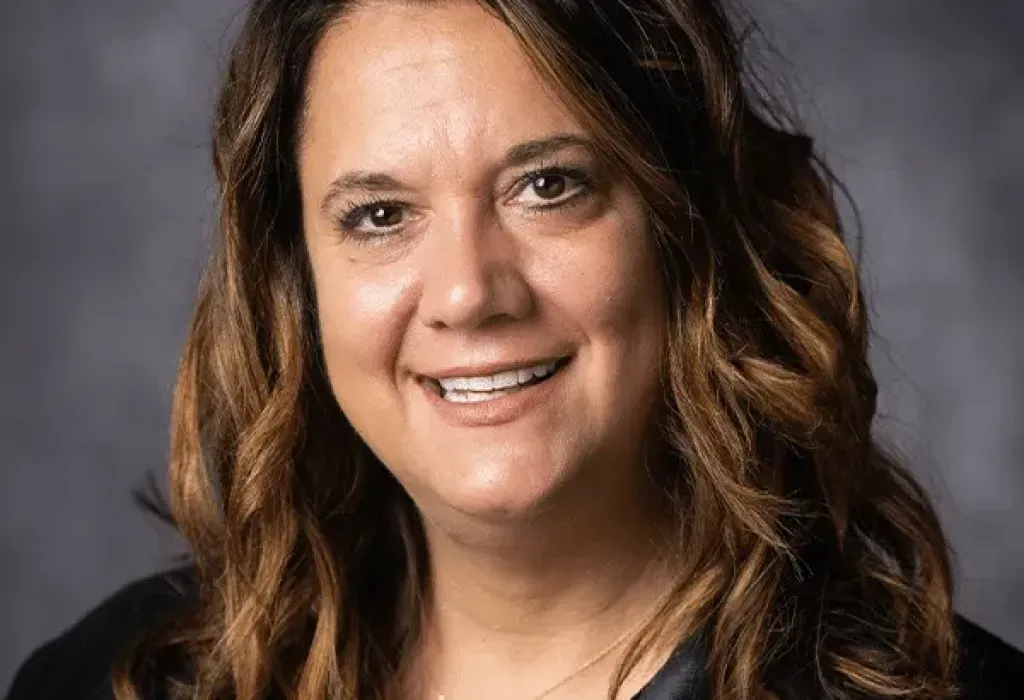
WASHINGTON, August 27, 2025 – Connecting everyone to robust broadband service remains a top policy goal in the Land of Lakes.
While federal changes to the $42.45 billion Broadband Equity, Access, and Deployment program have created new hurdles for Minnesota’s providers and communities, the state remains committed to its ambitious broadband agenda.
On Wednesday, in a discussion with Gary Bolton, president and CEO of the Fiber Broadband Association, Minnesota Office of Broadband Development Executive Director Bree Maki explained some of the progress and challenges Minnesota is facing in broadband deployment.

Since the National Telecommunications and Information Administration’s June 6 restructuring of the BEAD program, Maki said that the uncertainty and lack of clarity created “some chaos” for both providers and communities.
Prior to the federal changes, Minnesota had identified approximately 74,500 unserved and 46,700 underserved locations. The restructuring and new eligibility criteria made it harder for some to participate, leading to a revised total of around 76,000 eligible locations for BEAD funding.
Additionally, Maki claimed that the BEAD changes made it more difficult for Minnesota to achieve its broadband goals within the current funding allocation.
“We knew when we started this $652 million as an allocation for Minnesota was not going to finish the job based on our statutory language,” Maki said. “It just got a little bit more challenging with the policy notice changes and the way that technology was approached with this policy notice.”
However, Maki noted that the Minnesota Office of Broadband Development is poised to unveil its BEAD proposal for public comment tomorrow, allowing a week for responses before the Sept. 4, 2025 deadline.
Despite these challenges, Maki highlighted that Minnesota has an ambitious broadband agenda, investing more than $400 million in state funds in broadband infrastructure over the past 12 years. She said that the state’s Border-to-Border grant program and Capital Projects fund have been instrumental in expanding fiber access, often in partnership with private providers who continue to invest heavily in Minnesota’s broadband future. Looking ahead, the state aims to maximize non-deployment BEAD funds to support emergency services in rural areas.
Another thing Maki touched on was Minnesota’s approach to working with tribes, a foundational part of the state’s broadband strategy. Six of Minnesota’s tribes had BEAD-eligible locations, and while federal rules require tribal consultation, Maki said Minnesota goes further by making this a central part of its broadband efforts.
“Tribal consultation is a key to any of the work that we do. That is one of the reasons we were one of the later states to get our Volume Two approved, because we needed to consult with the tribes as to what is the low cost plan that you see fit and reasonable within your communities,” said Maki.
She added that the state will not fund broadband projects on or near tribal lands without consent and a strong partnership with tribal nations. “This is key, and it’s just a foundation of how Minnesota works,” she said.




Member discussion