More Changes Unveiled for Round 5 of the ReConnect Program
Key revisions to this new round of ReConnect include awarding priority points to applications from states with the highest concentrations of unserved locations.

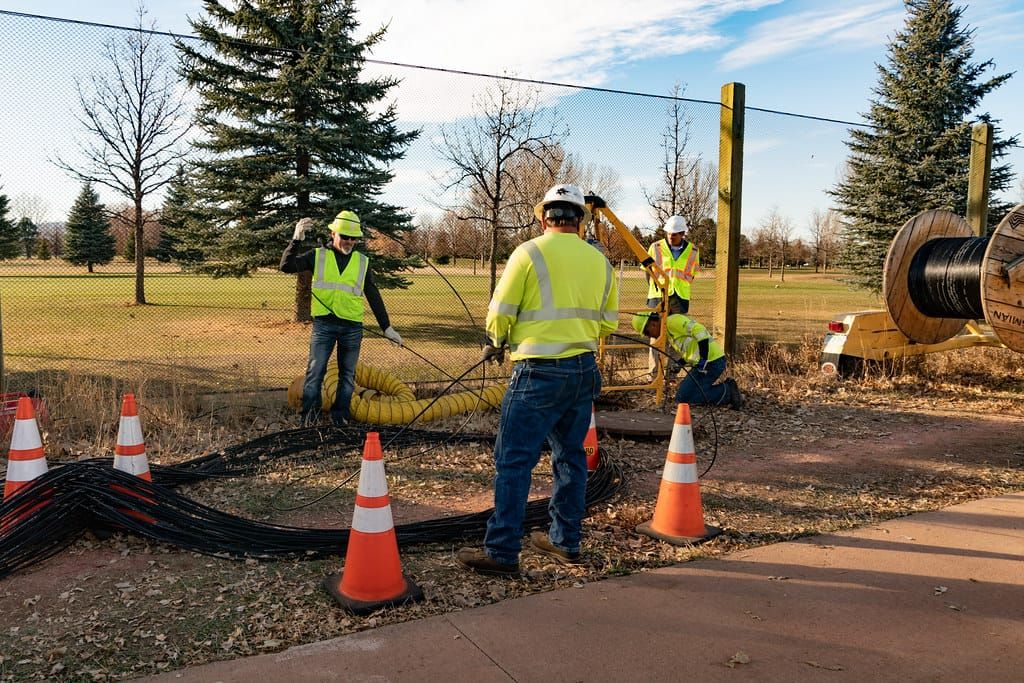
WASHINGTON, February 28, 2024 – Key revisions in this latest round of ReConnect include awarding priority points to applications for service areas in states with the highest concentrations of unserved locations, refining the definition of sufficient broadband access, and introducing new definitions for "enforceable commitment" and "federal funds."
The U.S. Department of Agriculture Secretary announced last Wednesday the introduction of updated rules aimed at enhancing program effectiveness.
In addition to awarding prioritization points for applications whose proposed service areas are in states with the highest concentrations of unserved broadband locations, the definition of "sufficient access to broadband" has been refined to encompass households with fixed, terrestrial broadband speeds of 25 Megabits per second for download and 3 Mbps for upload.
To facilitate interagency coordination efforts between multiple current federal broadband funding programs, new definitions for "enforceable commitment" and "federal funds" have been introduced.
Furthermore, eligibility criteria have been broadened for organizations, including Tribes, that meet stringent financial tests, thereby streamlining application processes within ReConnect.
To accommodate these changes, USDA has extended the application window, ensuring applicants have adequate time to complete all necessary components. Providers will now have until May 21 to submit their applications.
In preparation for Round 5, the USDA will host an overview of the notice of funding opportunity on March 6, providing stakeholders with insights into the program's updated guidelines and procedures.
Conservative group alleges an ABC station in Houston broke the law by not notifying all eligible political candidates of their right to equal time
The patent Bell filed in 1876 never described a speaking telephone. His lawyers later argued it did.
The FCC's drone ruling, once aimed at China-based DJI, now covers all foreign components, and industry experts warn the broad scope may backfire on American drone dominance.
Among the 10 companies blacklisted by China are AVEOX in Simi Valley, California; Red Cat Holdings and Teal Drones, both in South Salt Lake, Utah; and IMSAR in Springville, Utah.