
FCC Chief of Staff: Network Protection Core to America's National Security
Agency leader outlined measured to protect U.S. networks and innovation from foreign interference.

Akul Saxena
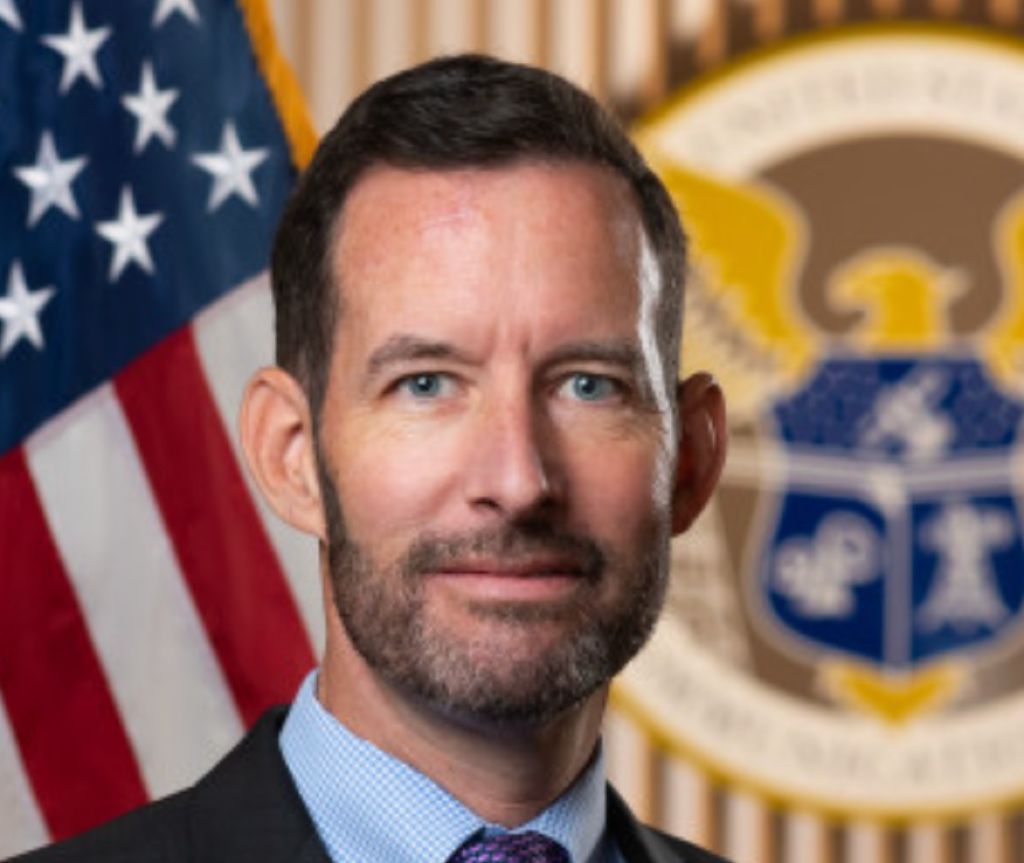
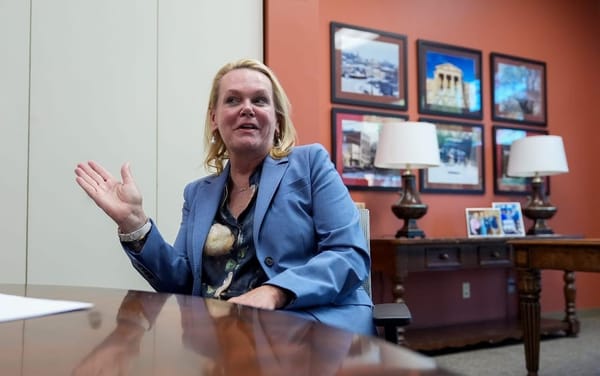
WASHINGTON, Nov. 7, 2025 — Scott Delacourt, chief of staff at the Federal Communications Commission, said the agency is strengthening national security safeguards across U.S. telecommunications networks as emerging technologies like artificial intelligence accelerate demand for faster, more secure infrastructure.
Speaking at the Federalist Society’s “New Legal Frontiers in a High-Tech World” forum, a conservative and libertarian legal organization, Delacourt said the FCC’s statutory role in protecting national security is embedded in the Communications Act, which gives the agency authority over telecom ownership, equipment authorization and network licensing.
He said those powers form the legal basis for the Secure and Trusted Communications Networks Act, which bars the use of federal funds to buy or maintain telecom equipment from companies considered national security threats, and the Secure Equipment Act, which blocks new FCC authorizations for hardware made by those same high-risk firms.
Delacourt noted that the commission’s national security authority also rests on Section 310 of the Communications Act, which limits foreign ownership in U.S. telecommunications and broadcast networks and allows the agency to block or condition licenses when foreign control could pose a security risk.
Delacourt said the commission now combines several programs to protect U.S. infrastructure. The “covered list” identifies restricted manufacturers such as Chinese-owned Huawei and ZTE, while the “rip-and-replace” program reimburses rural carriers that remove and replace high-risk equipment. A new National Security Council coordinates enforcement across agencies, and Operation Clean Cart works with e-commerce platforms to track and remove banned telecom devices that still appear for sale.
The FCC has also barred foreign-controlled testing laboratories, known as “bad labs,” from certifying wireless devices and has issued show-cause orders to U.S. carriers with ties to Chinese state-owned firms. Delacourt said these measures are intended to keep compromised equipment from reentering domestic networks and to ensure that the integrity of U.S. communications systems is maintained from the factory floor to the retail shelf.
Panelists agreed that secure connectivity is inseparable from America’s broader innovation posture.
U.S. Patent and Trademark Office Director John Squires said strong intellectual property protections and open patent eligibility for AI technologies are essential to sustaining U.S. technological leadership. He said advances in artificial intelligence and machine learning represent the next frontier of American innovation and must be protected as such, warning that narrowing patent eligibility could blunt U.S. leadership in critical technologies.
“If we fail to protect innovation at home,” Squires said, “we risk surrendering both our economic edge and our national security advantage.”



Member discussion