Newsom Regulator Threatens Verizon-Frontier over DEI
Although the $20 billion deal cleared the FCC on May 16, it still needs the OK of the California Public Utilities Commission, and that’s not going too well because of three letters: DEI.

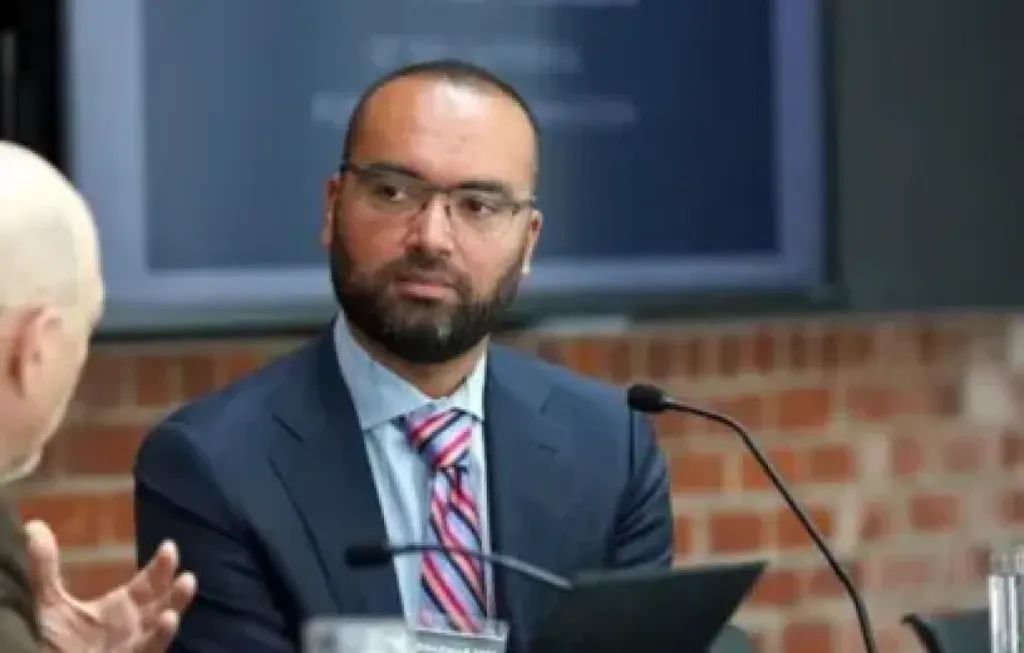
CPUC: A California state regulator is threatening the Verizon-Frontier merger. Although the $20 billion deal cleared the FCC on May 16, it still needs the OK of the California Public Utilities Commission, and that’s not going too well because of three letters: DEI – Diversity, Equity, and Inclusion. CPUC Commissioner John Reynolds has just thrown up a new roadblock, claiming Verizon’s vows to FCC Chairman Brendan Carr to eradicate DEI did not track with past company filings with the CPUC and that Verizon’s new DEI stance might violate state law.
 Broadband Breakfast
Reynolds said he is attempting to understand Verizon’s commitment to DEI after telling Carr in a May 15 letter that “some DEI policies and practices could be associated with discrimination” and saying it was making changes “to its practices not just in name or in the way they are described, but in substance … effective immediately.” In his July 23 ruling, Reynolds accused of Verizon of “replying evasively and deficiently” in Supplemental Testimony filed June 18. Reynolds, an attorney, was appointed to the CPUC by Gov. Gavin Newsom (D) on Dec. 23, 2021, and reappointed on Dec. 22, 2022. (More after paywall.)