Pearl TV Claims TV Set Makers Have Conflict over ATSC 3.0 Tuner Mandate
A TV station syndicate thinks it has the answer to this Beltway riddle: Why is the Consumer Technology Association so exercised about a NextGen TV tuner mandate?

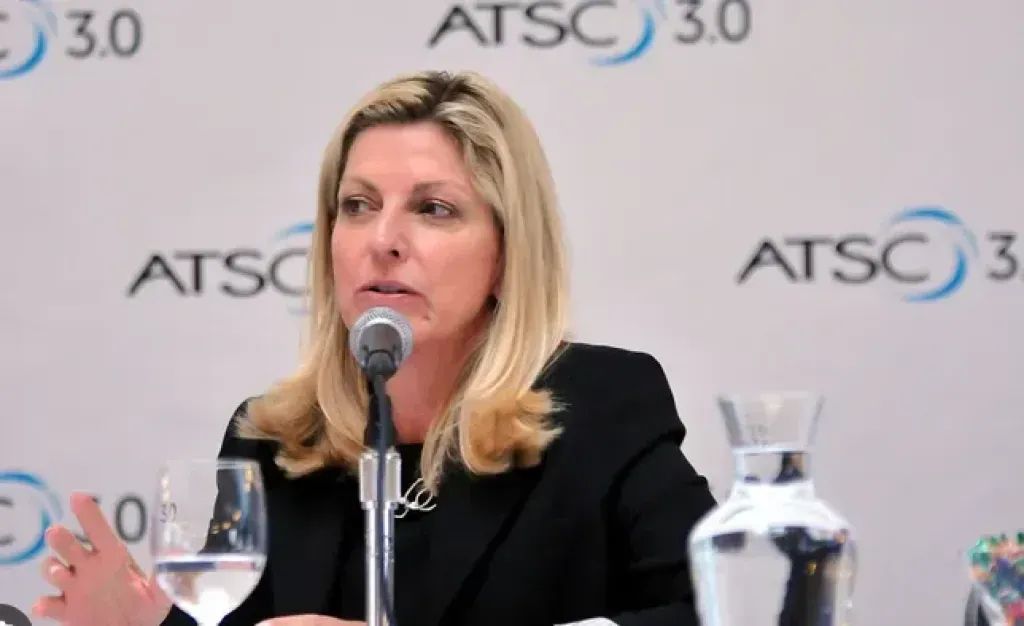
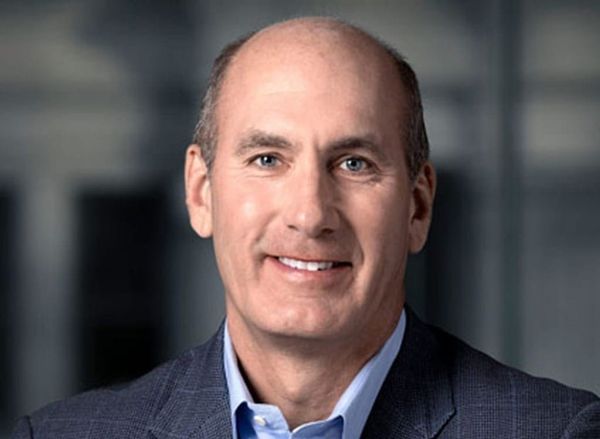
ATSC 3.0: A TV station syndicate thinks it has the answer to this Beltway riddle: Why is Consumer Technology Association CEO and Vice Chair Gary Shapiro so exercised about a NextGen TV tuner mandate? According to Pearl TV, the answer is rooted in a conflict of interest. “In short, [CTA members] are no longer just in the equipment business but through their FAST channels (Free Ad-Supported Streaming Television), they currently compete with broadcasters,” said Covington and Burling attorney Gerard Waldron, Pearl’s outside counsel, in a July 14 filing with the FCC.
 Broadband Breakfast
Pearl, backed by Nexstar Media Group and Sinclair Inc., and the National Association of Broadcasters have asked the FCC to require ATSC 3.0 tuners in new TV sets. Shapiro is strongly opposed, warning NAB that he will retaliate by urging Congress to make broadcasters pay spectrum fees. “TV manufacturers that own FAST channels today are competing with broadcasters for advertisers and viewers; consequently, it is not surprising that they too are incentivized to stifle broadcast innovation,” Waldron explained. (More after paywall.)