Pennsylvania Man Faces Up to 40 Years for Defrauding Internet Subsidy Program
The defendant admitted to submitting false customer addresses to receive higher subsidies intended for tribal residents.

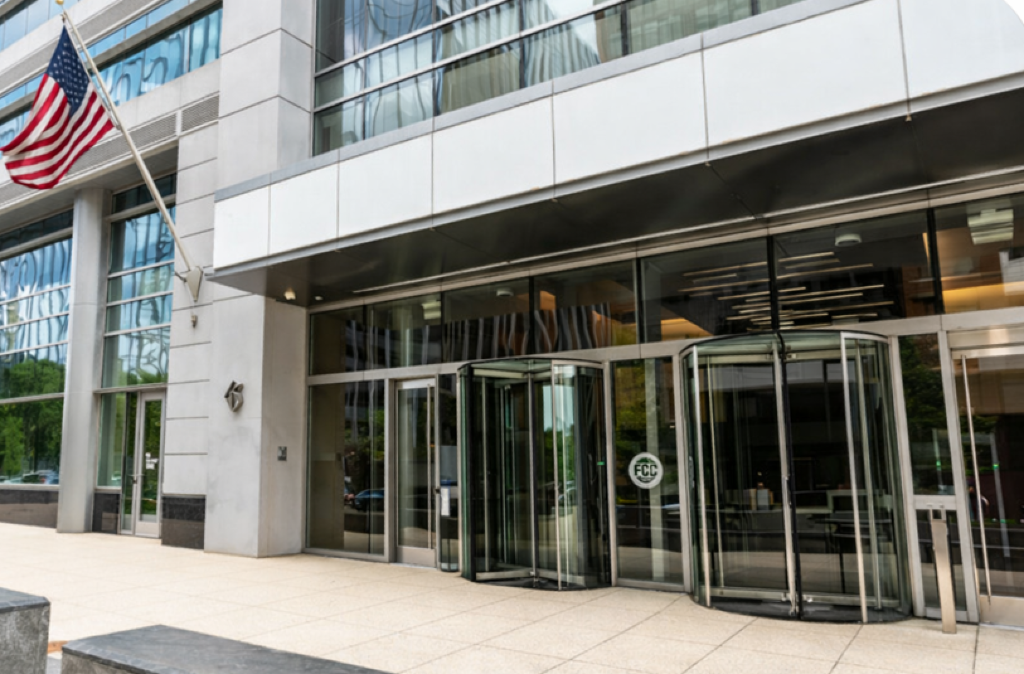
WASHINGTON, June 4, 2026 – Krandon Wenger, a 25-year-old Pennsylvania resident, has pleaded guilty to defrauding the federal government of more than $741,000 via the Affordable Connectivity Program (ACP). Wenger fraudulently submitted tribal addresses despite servicing non-tribal lands.
The ACP reimbursed broadband providers $30 per month for each eligible household, or $75 for households on tribal lands. The program expired on June 1, 2024, after exhausting its funding. Wenger’s false claims that customers lived on tribal lands caused the FCC to overpay him $741,726 in reimbursements.

Wenger and his company, K20 Wireless, were banned from the ACP and all successor programs in 2022. Wenger pleaded guilty to two counts of wire fraud and faces up to 20 years in prison on each count. He will be sentenced on Sept. 28.
The FBI investigated the case with assistance from the FCC’s Enforcement Bureau. Assistant U.S. Attorney Francis A. Weber is prosecuting.