Permitting Update: BEAD Projects Clear Federal Review Faster, Then Hit Poles and Roads
Louisiana has cut federal reviews to days, Kansas is reshuffling one-third of its awarded locations, and Virginia says utility poles and rights-of-way are now the biggest delays.

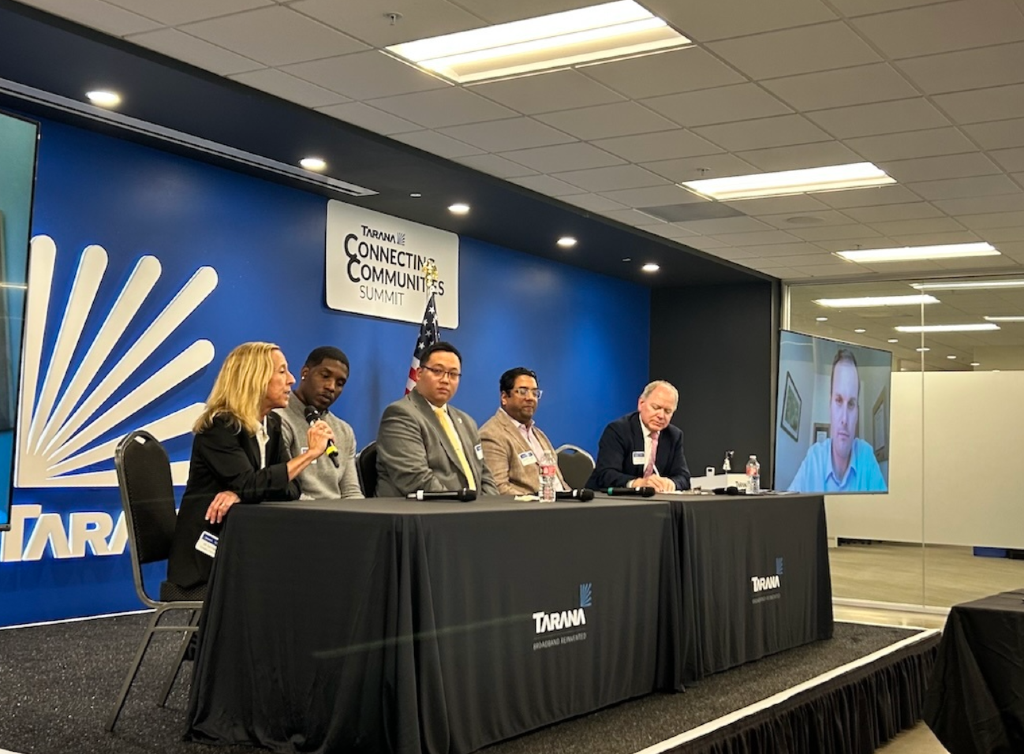
MILPITAS, Calif., Sept. 18, 2026 – Federal environmental reviews that once took roughly six months can now clear in two weeks or less for federally funded broadband projects, shifting the construction bottleneck to utility poles, road permits and local tower approvals, at least one state broadband official said Thursday.
Louisiana is averaging six days between submitting an environmental review and receiving a federal answer, said Veneeth Iyengar, executive director of the state broadband office. More than 55,000 reviews have been issued there as projects move into construction.

The National Telecommunications and Information Administration, the Commerce Department agency administering the $42.45 billion Broadband Equity, Access and Deployment program, entered BEAD with five environmental officers and no expectation of getting more, said Jill Springer, its former chief environmental review officer.
Springer said NTIA responded by adopting 47 categorical exclusions, classes of projects eligible for shorter review processes, as they cause generally less significant environmental effects. It also built a computerized screening tool that generates decision documents and gave states a larger role in reviews. The changes moved approvals from about six months to a two-week target, she said.
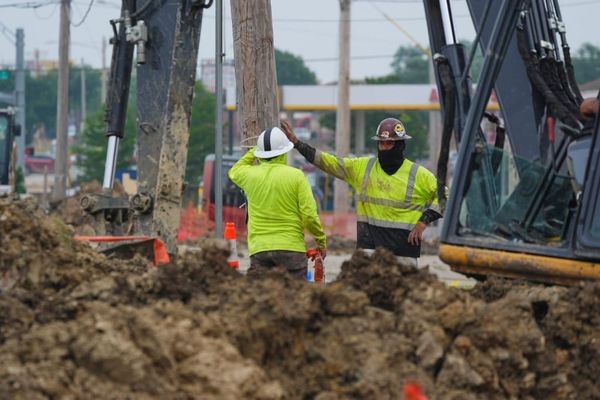
Louisiana pushed the same approach down to the state’s parishes - what the rest of the nation calls counties - and municipalities. Telling local officials where crews would work and which provider was coming cut permits that once took 30 days to about 10, Iyengar said.
“People are tired of activities,” Iyengar said. “People need to see outcomes.”
The bottleneck moves downstream
Virginia lost about three months of construction time after initially working from advice that projects needed detailed engineering before environmental review could begin, said Chandler Vaughn, director of the Virginia Broadband Office. That included exact pole locations, heights and depths, cabinet dimensions and placement of network terminals.
Much of that information does not exist until crews are further into engineering, Vaughn said. Starting review requires the fiber route, tower locations and a high-level description of construction methods. Detailed engineering can proceed at the same time.
The bigger delays now come later.
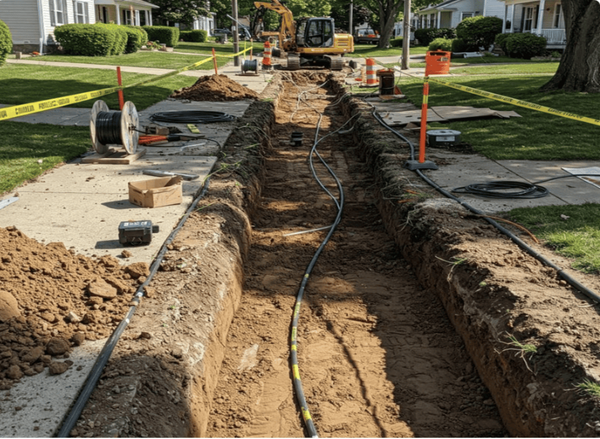
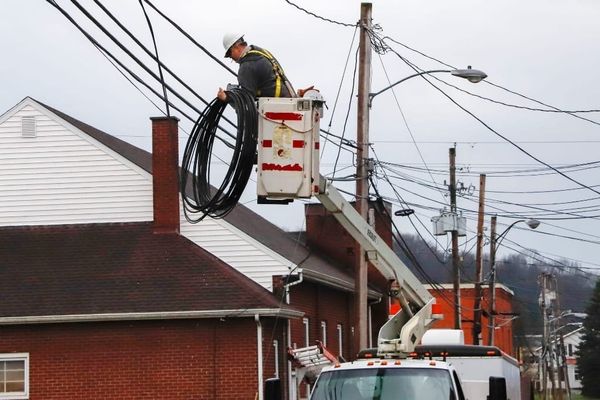
Virginia’s largest construction holdups are pole attachments, the approvals needed to place broadband equipment on utility-owned poles, and right-of-way permits from the state transportation department for work along roads, Vaughn said.
Local resistance to tower siting is at an “all-time high,” Vaughn added. He advises providers to build relationships with county officials before arriving with an application for a 200-foot tower.
“Your consultant is your quarterback,” Springer said, warning that treating broadband like a pipeline or other large infrastructure project can add unnecessary review.
Awards can still move
A subrecipient, the internet provider receiving a state’s federal grant to build the network, walked away from a Kansas award covering 33 percent of the state’s awarded locations, said Joseph Le, then deputy director of the Kansas Office of Broadband Development.
Kansas is reallocating them. About 70 percent of those locations have been preliminarily matched with another provider, first through neighboring BEAD winners and then other awardees.
Vaughn said providers should not treat today’s award map as permanent.
“We are not going to bowl a strike nationwide,” he said.
He expects openings for fixed wireless providers, where fiber companies underbid projects and cannot complete them.
Kansas providers face another constraint after signing. Build America, Buy America requires certain materials and equipment used in federally funded infrastructure to be produced domestically, though NTIA waives the requirement for some broadband equipment. Le said it has changed the economics and schedules of some Kansas projects.
More need than money
Kansas estimated more than $1 billion was still needed after earlier programs, against a $451.7 million BEAD allocation, Le said. Iyengar said BEAD was never designed to solve the entire broadband problem by itself, estimating it would address roughly 15 to 30 percent of the remaining divide.
DigitalC, a Cleveland nonprofit internet provider, offers one example outside fiber. It built a fixed wireless network reaching its first 10,000 subscribing households in 17.5 months and sells service for $18 a month, said CEO Joshua Edmonds.
“I love how everyone is becoming a nonprofit during this time,” Edmonds joked as providers position themselves for the next funding round.
Federal environmental review can now move in days. The harder part increasingly begins after that approval: getting onto the pole, into the road and past the local board.
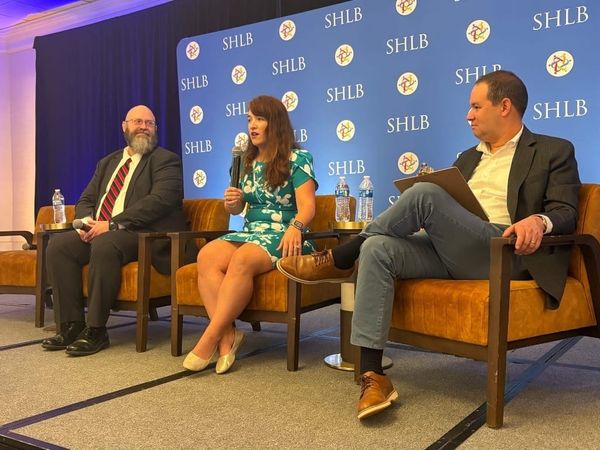
The panel, held at next-generation fixed wireless equipment maker Tarana’s Connecting Communities event, was moderated by Broadband Breakfast CEO and Publisher Drew Clark.