State Broadband Heads Tired After BEAD’s ‘Long Haul,’ Benton Finds
The group is working on two research projects based on interviews with broadband directors and ISPs


WASHINGTON, Sept. 18, 2026 – State broadband directors are feeing a bit of fatigue managing $42.45 billion in broadband funding, according to research from the Benton Institute for Broadband & Society.
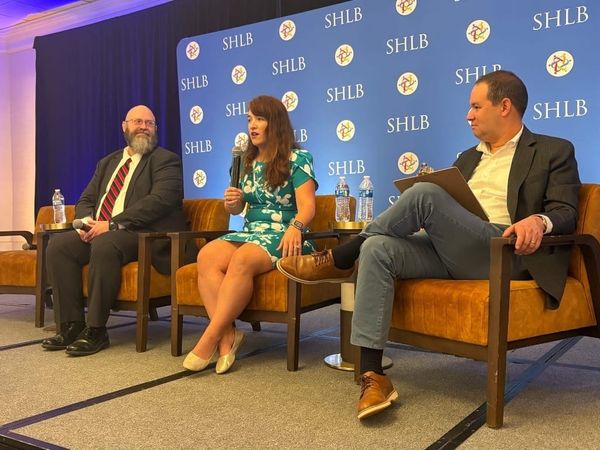
Revati Prasad, Benton’s executive director, previewed two research projects the group is working on during a Fiber Broadband Association webinar this week.

One of those has involved interviewing more than 30 heads of state broadband offices, the entities administering the Broadband Equity, Access, and Deployment program under the watch of the Commerce Department.
“The people who are in charge of overseeing this work are exhausted,” she said. “It’s been a long haul, and more than one person said to us, ‘We just want to get it done.’”
The program was first signed into law in 2021, and after mapping efforts and multiple rounds of bidding under different rules, projects are now beginning to get under way in some states.
Prasad said one of broadband directors’ main frustrations was feeling micromanaged by Commerce’s National Telecommunications and Information Administration. She didn’t say whether that intensified with the change in administration last year.
The Trump administration overhauled the program last year, requiring many states to rebid their eligible locations and mandating projects be evaluated largely on the basis of cost; states had previously had some discretion over how they scored applications.
NTIA always had to approve state plans and give the green light to state-level mapping changes, processes that sometimes required multiple rounds of curing during both the Trump and Biden administrations.
Earlier this week Brandy Reitter, head of Colorado’s broadband office, resigned abruptly.
Prasad said state broadband heads across the board believe BEAD would make “a tangible, substantive difference in connectivity.”
She said about half of the states Benton talked to expected some locations would still be unconnected after BEAD because of mapping issues and some persistent skepticism about satellite broadband. But because of the large amount of remaining funding, about $21 billion by NTIA estimates, she said states expected to have the money to address those gaps and any BEAD defaults.
Benton found some state broadband heads wanted their agencies to promote broadband adoption and use among the newly connected, while others thought that was the industry’s job.
ISP experiences
Benton’s other project focused on talking to smaller broadband providers about participating in BEAD and about general broadband deployment barriers.
Prasad said that for smaller providers, having a good relationship with their broadband office had been an important part of keeping them involved with BEAD.
“They put it in terms of: State broadband offices are going to have to be flexible,” she said.
That could mean allowing providers to add or drop locations to make a project more viable, or having reasonable reimbursement milestones, she said.
Benton found some small ISPs simply decided to forego BEAD altogether, and some are feeling good about that decision after watching the already complicated program change repeatedly and supply chain costs rise.
As it’s working on the two projects, Benton has seen multiple throughlines, primarily that delay is consequential and should be avoided.
“The longer implementation takes, the further the market, technological, political, and community conditions can move away from the assumptions under which the program was first designed, or grants were first awarded,” she said