
Pew: Bad Data a Barrier to Shoring up Broadband Workforce
The $42.45 billion BEAD program is expected to create a large jump in demand.

Jake Neenan
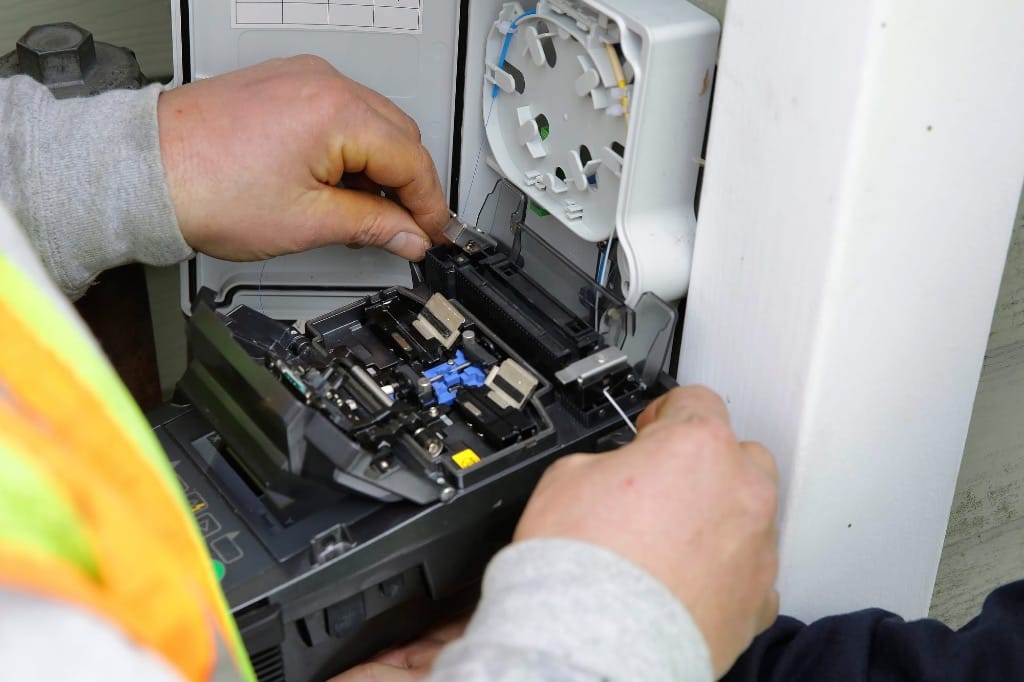
WASHINGTON, Nov. 3, 2025 – The national broadband workforce is widely expected to be strained by an influx of projects funded by the $42.45 billion Broadband Equity, Access, and Deployment program. Faulty data is a major barrier to the industry adequately meeting that demand, according to a new report from the Pew Charitable Trusts’ broadband access initiative.
Pew said it found 41 states that identified workforce shortages as a risk factor in their planning documents for BEAD or Digital Equity Act programs. A Fiber Broadband Association report last year estimated nearly 120,000 additional workers would be needed over the next 10 years just to replace people who retire or change industries, plus another nearly 60,000 to meet BEAD-induced demand.
The FBA study was conducted before the Trump administration changed BEAD’s rules in June and made it easier for satellite providers to win funding, but the program is still tentatively slated to fund fiber to more than 2 million locations nationwide.
Pew said that bad federal data and an increasing reliance on subcontractors could make it difficult to say exactly how bad the problem was in a given area. The Census Bureau’s worker classification system is complicated and rigid, and Pew said it was likely construction companies that do contract work on telecom infrastructure don’t classify themselves as being part of the industry.
Multiple other federal databases lack job classifications that are specific to the broadband industry, wrote Pew researchers Colby Humphrey and Lexi West, and states often have their own ways of reporting data that make it difficult to combine their metrics.
“These inconsistent job classifications and inadequate data make it difficult for states to quantify specific job shortages and for education providers to design training and credential programs that could help meet workforce demand,” they wrote.
The report added that “as states and industry plan for their BEAD deployments, accurate data on roles, required skills and competencies, and trends in employment metrics – such as employer type and wages – will be necessary to ensure that BEAD dollars are spent effectively to close the workforce gaps that pose the greatest risk to deployment projects.”
Most states have submitted their tentative BEAD plans to the Commerce Department, which has committed to approving the documents in 90 days, which would be by the end of the year in most cases. That’s the final step before contracts with ISPs can be signed and shovels can hit the dirt.
States starting their construction process at largely the same time could exacerbate the issue, Louisiana construction company EPC has told Broadband Breakfast. The company was involved in the state’s efforts to staff up in 2024, and warned subcontractors could fold or move elsewhere when the state’s Biden-approved plan was axed to conform with the rule change.
Lengthy training, stagnant wages
Pew noted the broadband workforce, to the extent it can be defined and assessed, appears to be aging, indicating a future wave of retirements that can’t be addressed easily because many jobs require months of training.
“With the number of retirements rising above predicted levels during the COVID-19 pandemic and remaining high, the broadband workforce faces a significant skills gap – without an immediate way to replace those skills,” the group wrote. “States will need to focus on backfilling roles quickly to attain a BEAD-ready workforce.”
States had been planning on funding some workforce development efforts with BEAD money not needed for deployment projects – states are more than $20 billion under budget so far – and with a smaller pool of Digital Equity Act money. Both of those are now less certain, with the Trump administration rescinding approval for non-deployment activities and attempting to cancel the digital equity funding altogether.
The administration is considering allowing BEAD non-deployment funding to go toward at least permitting reforms, but hasn’t made any final decisions, the White House’s top telecom adviser said last week.
Pew also pointed out that lower earning telecom workers have seen much slower wage increases over time than higher-paid employees in the industry. A federal working group in 2023 found telecom hiring was still tough when companies offered higher pay, but Pew argued more competitive wages would still be important for attracting new workers.









Member discussion