
Prison Technology Leaders Discuss Communication Costs, Connectivity During Broadband Breakfast Panel
The panel discussed balancing innovation with public safety, and whether inmates should bear security costs for phone calls and communication under new FCC rules.

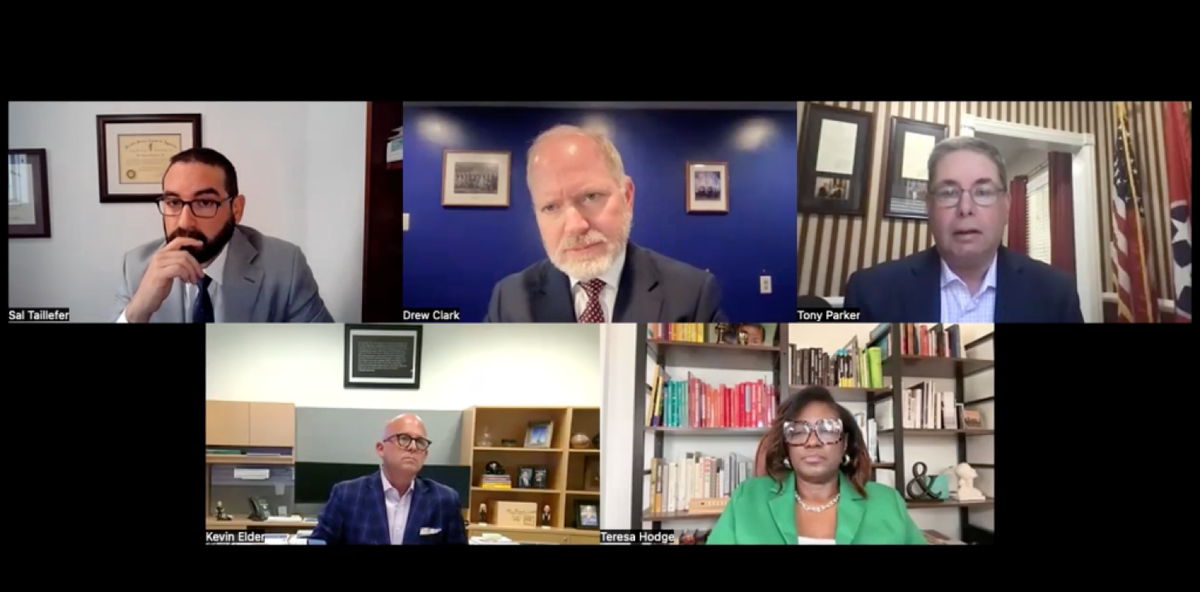
WASHINGTON, Nov. 12, 2025 — Officials in the prison technology industry discussed the balance between affordable communications and security, plus the importance of communications and its impact on recidivism, at a Broadband Breakfast Live Online webcast on Wednesday.
The discussion comes at a time when federal regulations may reshape how incarcerated people connect with families, with the panel examining recent Federal Communications Commission orders implementing the Martha Wright-Reed Act, including the agency’s recent rate increase.
The discussion on phone rates
Kevin Elder, president of Securus Technologies, said the FCC's revised 2025 order appropriately included safety and security costs in calling rates, reversing an earlier prohibition on security costs being included in rates. The company challenged the agency’s original 2024 order excluding such costs in court.
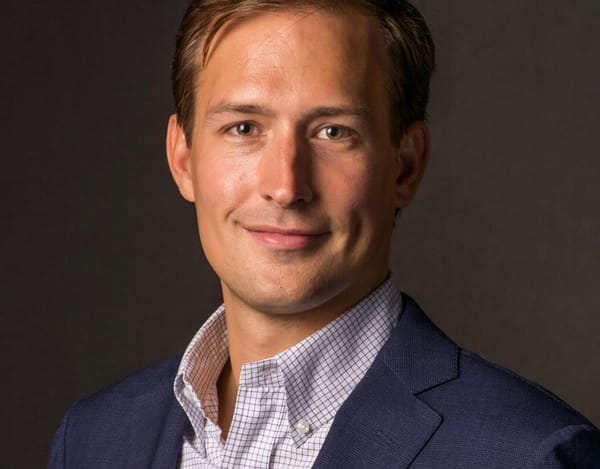
 Tony Parker
"We felt like they got a lot of things right," Elder said, referring to the original 2024 order. "There was one core thing that was missing, and they disallowed in that order for safety and security services as well as software to be allowed within the calling rate."
Blooston law partner Salvatore Taillefer, who has represented the National Sheriffs' Association, said that the FCC’s rate change owed to a revised approach to security costs. Under current FCC Chairman Brendan Carr, a 2-cent addition covers facility labor costs for managing devices and security measures, he said.
In one of many questions asked during the question and answer session of the panel, moderator Drew Clark, CEO of Broadband Breakfast, asked panelists whether security fees should be paid by inmates.
Tony Parker, former Tennessee corrections commissioner, defended those costs as essential. "You've got to have those security protocols in place and I realize there's a cost associated with that," Parker said.
Teresa Hodge, a formerly incarcerated individual who now leads a nonprofit devoted to helping prisoners re-enter society, emphasized affordability. When in prison, she paid $75 a month for 300 minutes, or a rate of 25 cents a minute, she said, while earning only $12 to $14 a month in prison.
"Affordability of phone calls is non-negotiable," Hodge said. "We have to make phone calls more affordable across the board, period."
For context, the rules issued by the FCC in 2024 under former Chairwoman Jessica Rosenworcel capped audio calling rates between 6 and 12 cents per minute, depending on facility size. The recent rules under Carr are expected to raise audio calling rate to between 10 and 18 cents per minute.
In the final version of its 2025 Incarcerated People’s Communications Services Order, released Thursday, Nov. 6, the FCC also proposed to keep the 2024 prohibitions on site commission payments and ancillary service fees in place for now, but sought comment on whether to modify them.
States permitting inmates to call for free
Several states, including New York, California, Connecticut and Colorado have adopted what is called an "agency paid" model, using taxpayer dollars to cover incarcerated individuals’ phone costs.
Clark referenced a New York State agreement reportedly costing as little as 1.5 cents per minute, significantly undercutting both the FCC’s proposed rate cap and California’s already-low 1.6-cent rate.
“When that call is free to that incarcerated individual, more communications occur," Elder said, adding that freed-up funds can support reentry education and job training.
Technology and recidivism
Parker said that "technology inside of our facilities is key to corrections in every state completing the true mission of corrections," which he described as rehabilitation. He said 95 percent of incarcerated people will return to their communities.
Hodge, who served 70 months in federal prison, described how communication technology sustained her family connections and employment prospects during incarceration. Affordability and access to new technology remain critical, she said.
“We also have to make sure that we get tablets in the hands of more people," Hodge said.
Elder said that Niagara County, New York, measured a 22 percent reduction in facility infractions after tablet deployment, demonstrating technology's impact on institutional safety. He said tablets now provide access to 27 university degree programs, religious content, and skills training.
Preparing for reentry
Hodge said that approximately 12,500 people leave prison weekly, and emphasized the importance of preparing incarcerated individuals for successful reentry through technology access.
Parker stressed that tablets and connectivity serve rehabilitation goals by providing "full-time access" to individualized program plans addressing education, addiction treatment, and job training needs. "That's how you reduce recidivism. That's how you make our communities safer," Parker said.
"They can see on a daily basis, where am I at in completing this reentry plan, this program plan that will allow me to be productive when I go back into society," he said.
Hodge described planning her reentry from day one. "Every day I spent while I was in prison, I was working on my reentry strategy. I was working on how was I going to come home, and I used every tool that was available to me then – from 2007 to 2011 – to be able to advance that.”


Member discussion