Public Safety Groups Want Senate to ‘Give Serious Consideration’ to House FirstNet Reauthorization Bill
The Fraternal Order of Police is still opposed and sent its own draft language to Senate Commerce

WASHINGTON, June 26, 2026 – Senate leaders are being asked to adopt the House-passed version of a bill that would extend the legal life of a mobile network set aside for first responders across the country.
A set of 17 first responder and local government groups, including the International Association of Fire Chiefs and the National League of Cities, want the Senate Commerce Committee to adopt the House’s version of a bill to reauthorize the First Responder Network Authority, created in 2012 following communications failures during the 9/11 attacks.

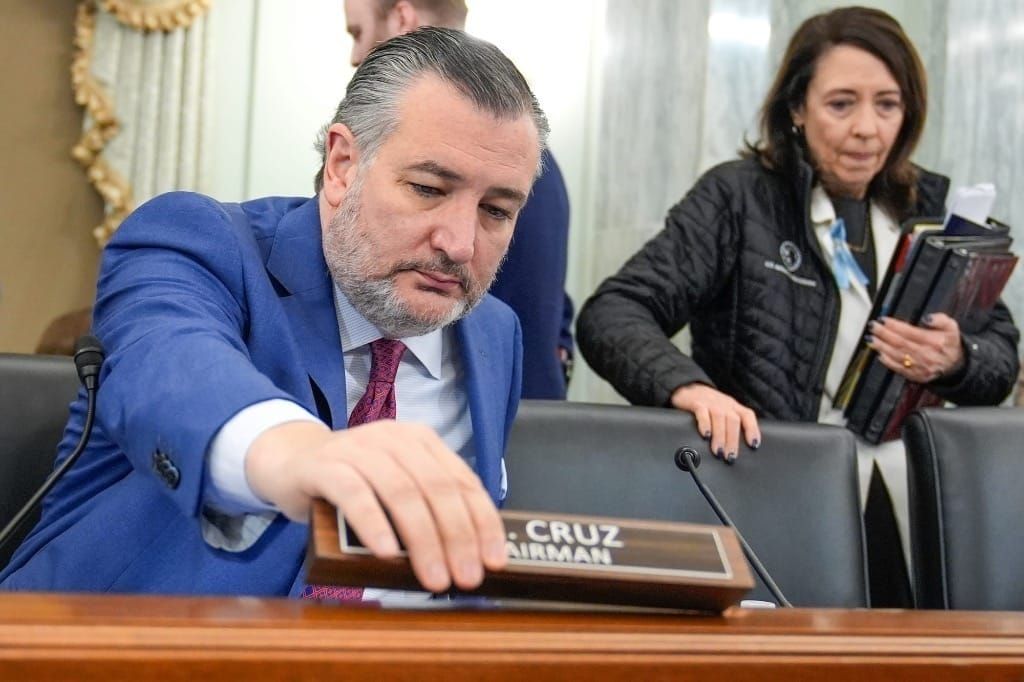
On Monday, the groups sent a letter to Sens. Ted Cruz, R-Texas, and Maria Cantwell, D-Wash., the chairman and ranking member of the committee, urging them to “give serious consideration” to the House-passed bill as they craft their own legislation.
The FirstNet Authority oversees FirstNet, the nationwide first responder network owned and operated by AT&T under a contract with the Commerce Department. The FirstNet Authority will sunset in February 2027 unless Congress reauthorizes it, something that users and lawmakers broadly agree would be disruptive.
The House reauthorization bill would put FNA under more direct control by the National Telecommunications and Information Administration, require NTIA approval before any FNA board action, other than exceptions spelled out in the bill. These include deploying resources during an emergency and other management activities.
It would also increase the number of public safety representatives on the board and task NTIA with appointing a director from a slate of individuals nominated by the board.
The groups noted in their letter that the House bill cleared the House Commerce Committee unanimously and passed the full chamber without any vocal opposition.
Lawmakers from both parties and chambers of Congress expressed support for some increased oversight over FirstNet Authority, citing multiple negative reports from the Commerce Department’s inspector general.
The Fraternal Order of Police and the Public Safety Broadband Association opposed the bill, fearing the extra oversight would create bureaucratic delays.
The FOP put forward its own draft language in a Wednesday letter to Cruz and Cantwell.
The FOP’s draft would further increase the number of current public safety workers on the board, from five to eight, and would have FNA’s director report solely to the board, rather than both the board and NTIA.
FOP President Patrick Yoes wrote that the groups’ language “does not differ materially from the House bill, except it does not compromise its operational integrity by introducing unnecessary bureaucracy.”
He continued: “It is at variance with common sense to shift decision-making authority away from public safety professionals and put it in the hands of bureaucrats, which could revive old weaknesses, marginalize frontline input, and delay vital choices.”
FirstNet is operated by AT&T under a contract with the Commerce Department.
AT&T was eligible for up to $6.5 billion in federal funding from spectrum auction proceeds to construct the network, which finished in 2023, and it’s now funded by subscriber fees paid by public safety agencies using the network. AT&T is supposed to pay FNA a total of $18 billion from those fees over the course of the 25-year contract, which was inked in 2017, and much of the money will be reinvested back into FirstNet.
In March, the company reached an agreement with the Commerce Department to provide an extra $2 billion for FirstNet. Half of that would come from AT&T reducing fees related to the network by $1 billion, which would then be invested back into the network, plus an additional $1 billion investment from the carrier.
That’s a starting point for future negotiations on updating the company’s contract, which hasn’t been officially changed yet. The company already had plans to spend $8 billion with FirstNet in the coming years.
AT&T has supported the House bill. New Street Research policy advisor Blair Levin said in a February research note that the House legislation was “generally favorable” for AT&T, as it focused on changing the FNA’s governing structure rather than the underlying economics of the company's contract with the government.