
Reintroduced Bill Would Update, Fund ReConnect Through 2030
The bill would provide $650 million annually, more than other lawmakers are currently considering.

Jake Neenan
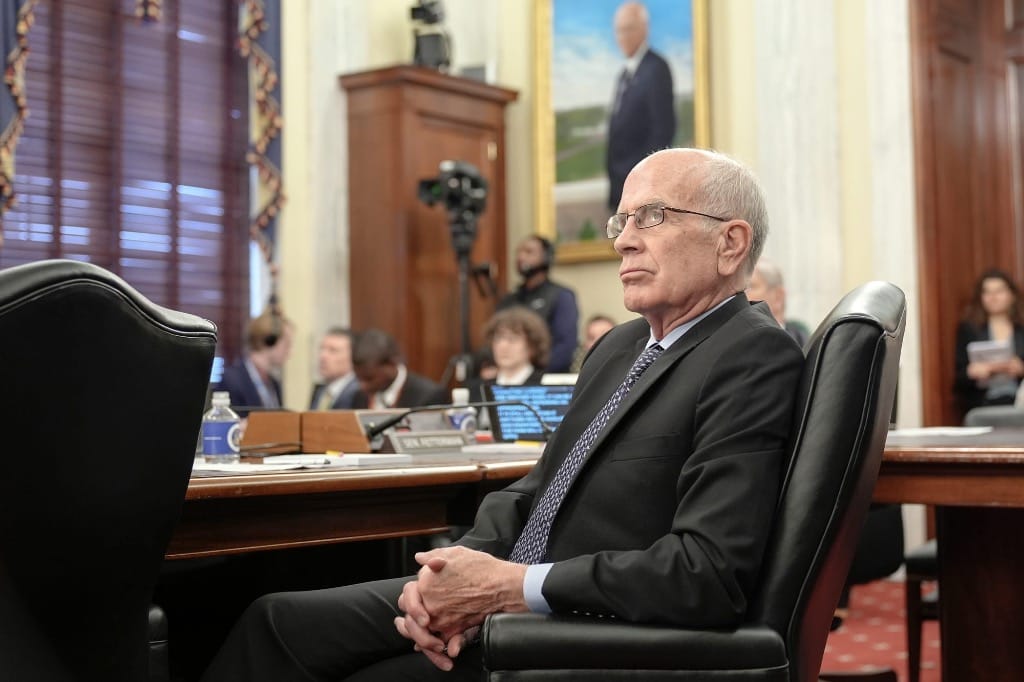
WASHINGTON, Nov. 3, 2025 – A bill reintroduced in the Senate Thursday would provide up to $650 million each year for rural broadband expansion grants through 2030.
The bill would make other changes to the Department of Agriculture’s ReConnect Program, including prioritizing areas where at least 90 percent of homes lack access to broadband and establishing a 100 megabit per second (Mbps) upload and download speed threshold for projects funded under the program.
“Just as the great Kansan President Eisenhower understood the importance of investing in our nation’s highways in the 1950s, we must invest in the critical highway of our time: reliable, high-speed internet,” Sen. Roger Marshall, R-Kan., said in a statement. He led the bill with Sen. Peter Welch, D-Vt.
The bill was reintroduced in the House in September by Rep. Josh Riley, D-N.Y.
USDA’s ReConnect program issues both loans and grants supporting rural broadband projects. The program has since 2018 spent more than $5.5 billion.
A $650 million annual budget would be close to what was first set aside for the program, but would be higher than recent Congressional appropriations. Lawmakers set aside $90 million for ReConnect for fiscal year 2025 and $100 million the previous year.
The program took applications for a $700 million grant round last year, possible because of left over cash from larger previous appropriations, and has so far announced awards for $476 million of those.
ReConnect’s budget for fiscal year 2026 hasn’t been decided yet, but lawmakers in the Senate have proposed $35 million, a substantial reduction. House lawmakers would stick with the $90 million allocated last year.
The $42.45 billion Broadband Equity, Access, and Deployment program is aimed at getting to the remaining un- and underserved homes and businesses in the country, and buildouts from other funding programs like the Rural Digital Opportunity Fund are under way. But it’s still likely that there will be some need for rural broadband deployment subsidies in the future, telecom consultant Doug Dawson wrote in a July blog post on ReConnect.
“There will likely be defaults on funding commitments from other state and federal grant programs, including some from the BEAD program,” he wrote. “It’s also possible ISPs could go out of business and leave rural customers with no option at 100/20 Mbps.”
He wrote then that ReConnect’s requirement for a contiguous service area could be problematic in the future, when there are unlikely to be large swathes of unserved areas.
“There will probably be no big contiguous unserved areas after BEAD grants have been awarded,” he wrote. “Any future ReConnect grant is going to require cobbling together scattered locations into a single grant request, and that will require changes in the ReConnect rules.”






Member discussion