Rep. Matsui Urges Stronger U.S. Coordination on 6G As Global Competition Grows
The California Democrat said the U.S. must align agencies and allies ahead of key global spectrum negotiations.

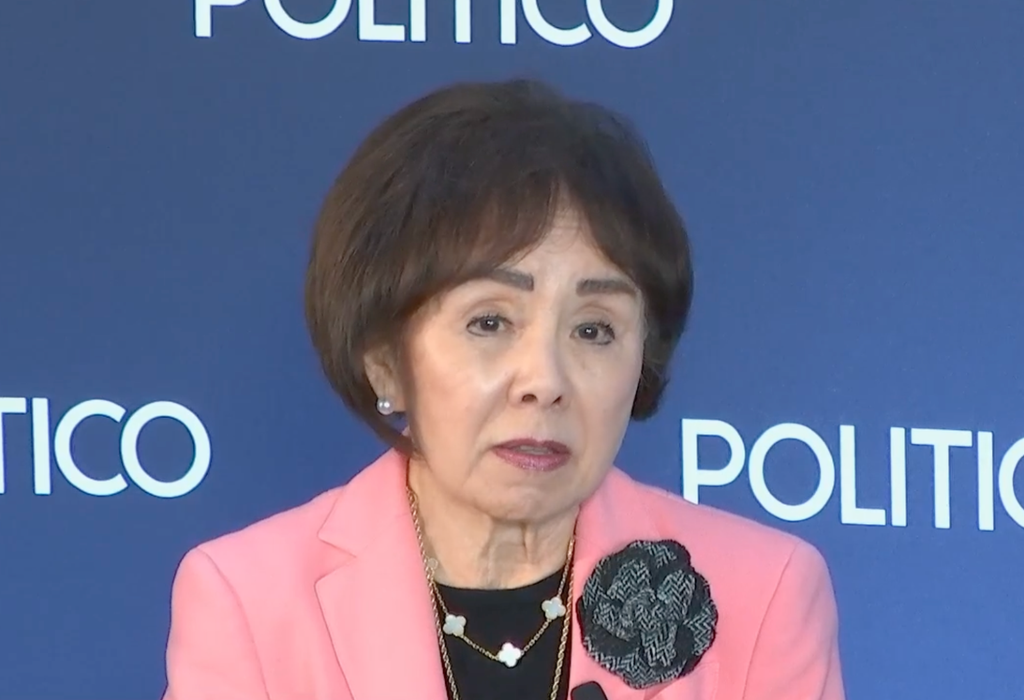
WASHINGTON, March 19, 2026 – Rep. Doris Matsui (D-Calif.) said the United States government must improve coordination across federal agencies and with international partners as it prepares for the development of 6G wireless technology, warning that global competition is intensifying.
Speaking during a discussion on next-generation wireless networks hosted by Politico, Matsui said the government should apply lessons from the early rollout of 5G, when disputes among agencies slowed progress on key spectrum decisions.
During that period, the Federal Communications Commission, the Commerce Department, the Pentagon, and the Department of Transportation clashed over how spectrum should be allocated. Matsui said avoiding similar conflicts will be essential as the U.S. prepares for the next phase of wireless technology.

“We really need to be organized and coordinated,” she said.
Matsui said preparation for the next World Radiocommunication Conference, a global meeting where countries negotiate spectrum allocations, will be especially important. The conference is scheduled to take place in Shanghai, China, in 2027.
She said the United States must begin aligning with allies ahead of the negotiations to maintain leadership in wireless technology standards. “Diplomacy cannot happen overnight,” Matsui said.
China’s growing role in telecommunications development adds urgency, she said, noting that Chinese firms are already advancing research and patent development related to 6G.
“I don’t want to cede our leadership to China or any other country,” Matsui said.
Matsui also said she plans to revive the bipartisan Congressional Spectrum Caucus in the House to help lawmakers better understand spectrum policy and its role in next-generation wireless development.
She also addressed federal funding for wireless innovation, saying technologies such as Open RAN and AI-driven wireless infrastructure should be viewed as complementary rather than competing approaches.
As countries prepare for the next round of global telecom negotiations, Matsui said coordination at home and with allies will be critical if the United States wants to shape the future of wireless technology. “This is the moment in time when we have to move forward together,” she said.