
Senate Passes Bill to Protect USF from Weak ISPs
Bill requires ISPs to disclose financial strength to receive funds

WASHINGTON, July 7, 2025 – The Senate has passed the Rural Broadband Protection Act of 2025, advancing a bill designed to strengthen the vetting process of internet service providers seeking federal funds to build broadband networks in rural areas.
The bill, passed by voice vote on June 26, would require ISPs seeking funding from the $4.5 billion High Cost Fund to demonstrate their financial strength.
For example, to obtain funding, ISPs must provide “sufficient detail and documentation for the [Federal Communications Commission] to ascertain that the applicant possess the technical, financial, and operational capabilities, and has a reasonable business plan, to deploy the proposed network …”

FROM SPEEDING BEAD SUMMIT
Panel 1: How Are States Thinking About Reasonable Costs Now?
Panel 2: Finding the State Versus Federal Balance in BEAD
Panel 3: Reacting to the New BEAD NOFO Guidance
Panel 4: Building, Maintaining and Adopting Digital Workforce Skills
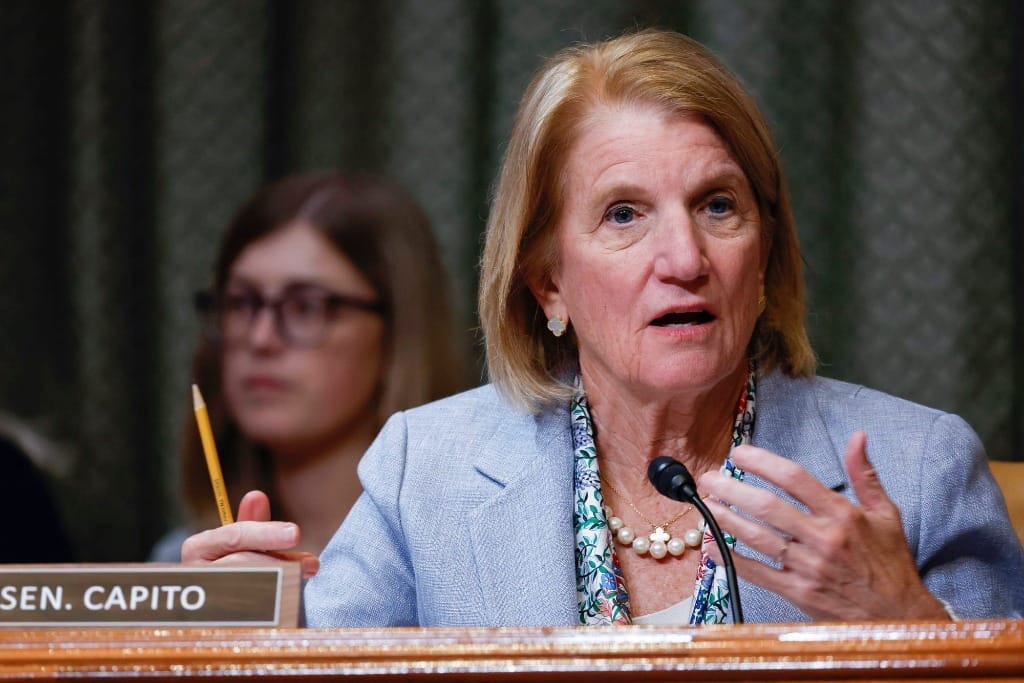
The bill was sponsored by Sens. Shelley Moore Capito, R-W. Va., Amy Klobuchar, D-Minn., John Curtis, R-Utah, and Gary Peters, D-Mich.
“As we continue our efforts to close the digital divide in West Virginia – this bill will make sure that Universal Service Fund dollars are not wasted, and ensure that funding is being used properly to fund broadband deployment in rural areas,” Capito said. “The Senate passage of this legislation is another positive step in connecting every last home, school, and business in West Virginia. I urge the House to quickly pass this legislation.”
The House passed a similar version of the legislation, sponsored by Reps. Erin Houchin, R-Ind. and Robin Kelly, D-Ill., by voice vote in April.
According to a Senate source, the text in the House and Senate versions of the legislation was the same. However, because each bill is numbered differently, the House needs to pass the Senate version before it can be sent to the President’s desk.
The FCC’s High Cost Fund is the largest of the four major programs making up the $9 billion-per-year Universal Service Fund. The adoption of the legislation, which previously stalled in the Senate in 2022 and the House in 2023, was spurred in part by problems with the FCC’s most recent high-cost reverse auction: the Rural Digital Opportunity Fund. Defaults have plagued the program, as have accusations that prospective applicants were not properly screened before being awarded funds.
According to a report on the legislation by the Senate Committee on Commerce, Science, and Transportation, “This legislation, if enacted, would aim to ensure that applicants for the USF high-cost program are able to build and operate the networks and services that they are pledging to provide, while simultaneously discouraging gamesmanship from nonserious bidders.”





Member discussion