Senate Unveils Permitting Package
USTelecom said the bill ‘can help clear the path’ to broadband permitting reform

WASHINGTON, Sept. 30, 2026 – After more than a year of deliberation, Senate lawmakers released Wednesday the draft text of a sweeping permitting reform package.
A major broadband trade group was optimistic the bill would ultimately ease broadband deployments.
“Permitting reform presents the best bipartisan opportunity to help broadband providers connect more Americans to fast, reliable internet connectivity and all the opportunities it unlocks. We are encouraged that the permitting reforms in the American Affordability and Jobs Act can help clear the path to make this happen,” Jonathan Spalter, CEO of USTelecom, said in a statement.
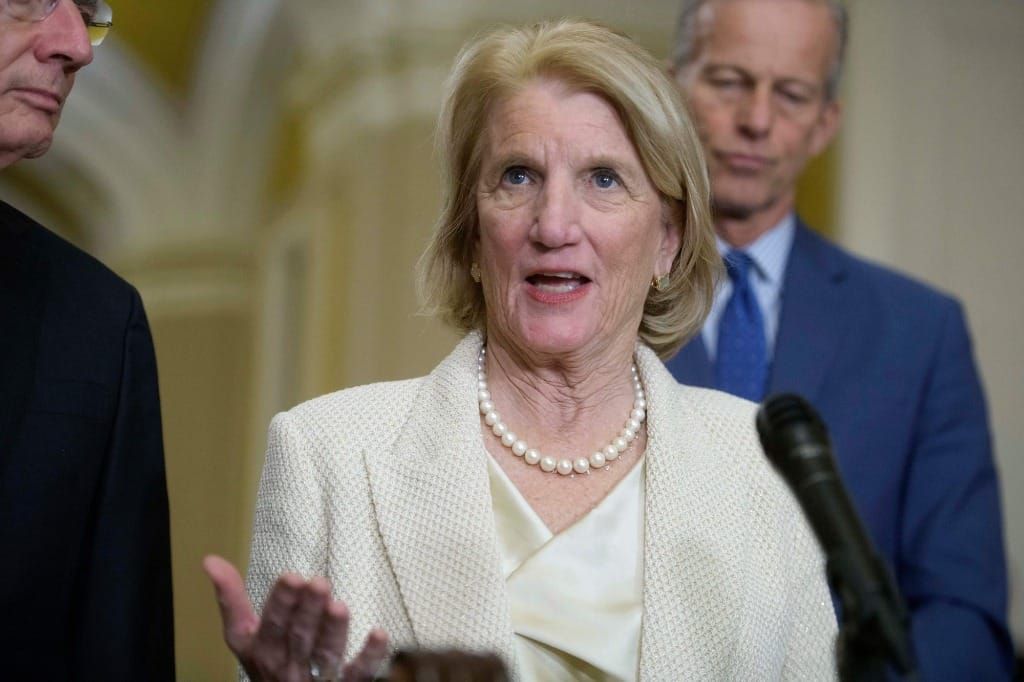
Sen. Shelley Moore Capito, R-W. Va., the head of the Senate Environment and Public Works Committee, said during a press conference Wednesday that senators were aiming for the bill to be the chamber’s first vote after the midterm elections in November.
The Bipartisan American Affordability and Jobs Act (BAAJA), as lawmakers dubbed it, would make sweeping changes to the National Environmental Policy Act and National Historic Preservation Act, among other environmental regulations. Both laws require the government to review the potential impacts of federally funded projects.
Certain repair and replacement work on telecom infrastructure would no longer trigger NEPA reviews, according to an analysis of the bill by Thomas Hochman, a permitting policy consultant and former energy policy director at the Foundation for American Innovation.
It would also be harder for opponents to block a project for NEPA violations, he wrote, which could result in shorter reviews as agencies won’t have to bullet-proof their findings against lawsuits that could kill projects.
The bill would also set a two-year maximum deadline for NEPA environmental reviews when they are required and require NHPA reviews to end when NEPA reviews finish.
NEPA applies to projects funded by the $42.45 billion Broadband Equity, Access, and Deployment program and has historically applied to wireless deployments related to federal spectrum licenses. NEPA reviews also apply to broadband projects on federal lands.
On Wednesday, the Federal Communications Commission voted to exempt more wireless deployment from NEPA. The Commerce department spent years building an online system to shepherd BEAD projects through the various NEPA requirements that has cut down review times for some projects.
The more than 400-page bill included numerous other provisions, including a requirement that data centers pay for all of their electricity transmission costs.
Assurances that permitted projects would remain permitted were a sticking point in negotiations after the White House paused some wind and solar projects last year. Sen. Sheldon Whitehouse, D-R.I., said during the press conference there was still uncertainty on that front, but that lawmakers had received “a very reasonable opening proposal from the Trump administration.”
The bill was introduced after the press conference, which was held by Capito, Whitehouse, and other leadership from the Senate Energy and Natural Resources Committee and Senate Environment and Public Works Committee.
The House does not yet have its own version of the bill. Senators said Wednesday there would likely be additional amendments in November.
Spalter said in his statement that “we look forward to reviewing the bill further and working with congressional leaders” to ensure the final legislation aided ISPs.
Sen. Mike Lee, R-Utah, said he was hopeful the package would move forward regardless of whether Democrats took control of a chamber of Congress after the midterms.
“Sometimes a bipartisan deal can be one that might be thrown into a state of uncertainty” following an election, he said. “I believe that in this case, it should not make a difference. We have negotiated this thing in a way that really is good for both sides.”