
Shentel: Pole Disputes on the Way for BEAD Participants
The company is also looking to refinance its debt later this year.

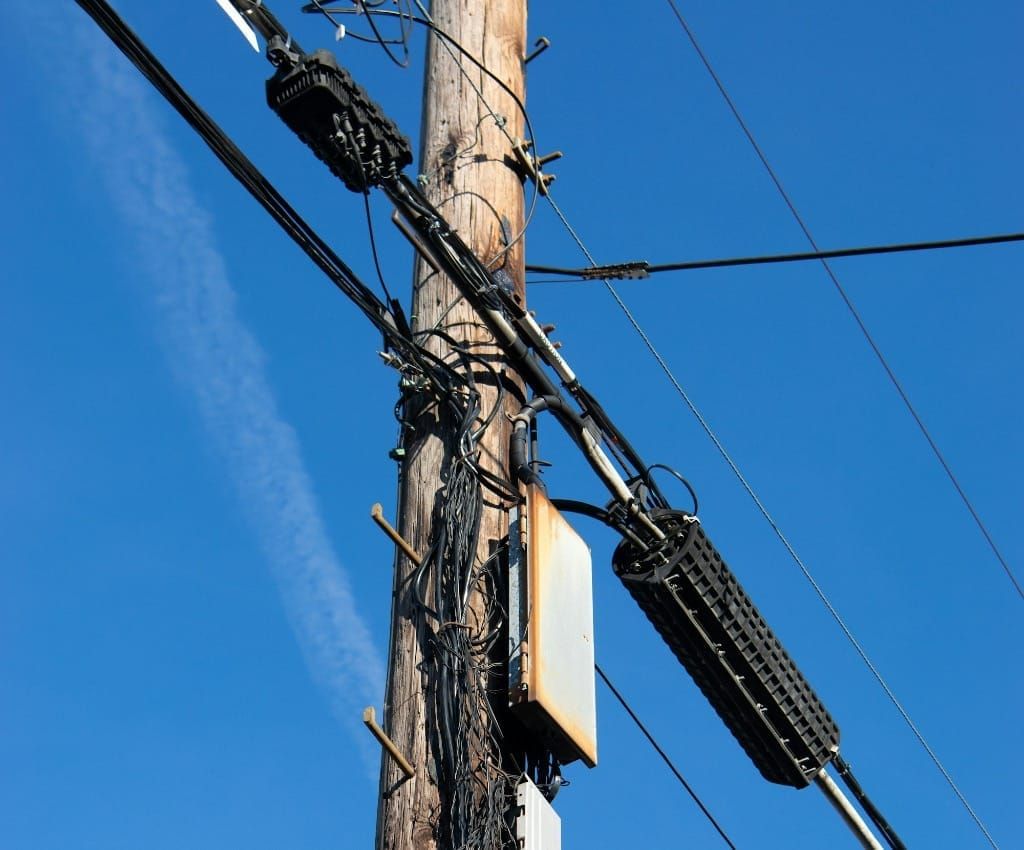
WASHINGTON, Sept. 3, 2025 – Pole attachment paperwork has been slowing Shentel’s fiber buildout, the company’s top executive said Wednesday. He said it could be a pain point for the $42.45 billion federal broadband expansion effort, too.
“Over the past year, I think the power companies have been really overwhelmed in some cases by all of the broadband projects that are going on,” said Ed McKay, the company’s CEO. “So it’s taking more time to get permits processed at this point.”
He said the long timelines, coupled with disputes over how much utilities charge to get their poles ready for new equipment, were impacting the pace of the company’s builds.

“We’ve seen the power companies really trying to pass all of the costs on to us for the past sins of other attachers,” he said.
McKay, Shentel’s former COO, became CEO on Monday, replacing Christopher French, who held the position for 37 years. He spoke at a Bank of America conference in New York.
ISPs and utility companies are prone to such disagreements, with broadband providers making similar allegations as Shentel, and the utilities generally countering that they wouldn’t need to upgrade or replace the poles at issue if not for an ISP attaching new gear.
While tentative results aren't set in stone, the Broadband Equity, Access, and Deployment program appears poised to fund fiber to most homes and businesses eligible for connectivity under the program. That will either be buried or hung on utility poles.
The Federal Communications Commission, which oversees pole attachment agreements in 23 states and is continuously tweaking the process as both parties lodge complaints to the agency, created a task force last year in an attempt to mitigate BEAD delays.
“I do think some of these providers that have taken the BEAD money, they’re going to struggle to execute on their build plans,” McKay said. “Just because of the permitting challenges. In most cases they’re going to be building aerial in these rural areas.”
He said the cost disagreements and timelines could “push those completion dates out significantly in some cases.”
Under program rules, providers have to deploy their networks within four years, but not every project is estimated to take that long. Construction is generally expected to begin next year, as the Commerce Department is aiming to give each state the final greenlight by the end of the year.
Shentel wasn’t a big participant in BEAD, tentatively winning a single project in Ohio for $0. That would effectively prevent another provider from scooping up eligible locations in its legacy footprint there.
But otherwise, McKay said the density of BEAD areas tended to be much lower than the places it was already building out fiber – closer to 8 homes per mile of fiber versus 80 or 90 – so the company was never very interested.
Shentel is currently expanding its fiber footprint in the Virginia area, adding more than 17,000 expansion-market fiber passings last quarter for a total of 378,916. The company is planning to hit up to 550,000 fiber passings by the end of 2026.
Refinancing
McKay and James Volk, the company’s CFO, said the company was looking into refinancing its more than $700 million in debt.
Volk said that “probably late this year, early next year” the company would issue asset-backed securities backed by its commercial and residential fiber business.
“In a year or two, I believe all the debt of the company will be on the fiber side of the business, and cable will be essentially unlevered at that stage of the game,” Volk said.





Member discussion