South Africa Eases Affirmative Action Regulations on Starlink that Musk Said Were Racist
The change affects all foreign-owned satellite internet providers that operate in South Africa.

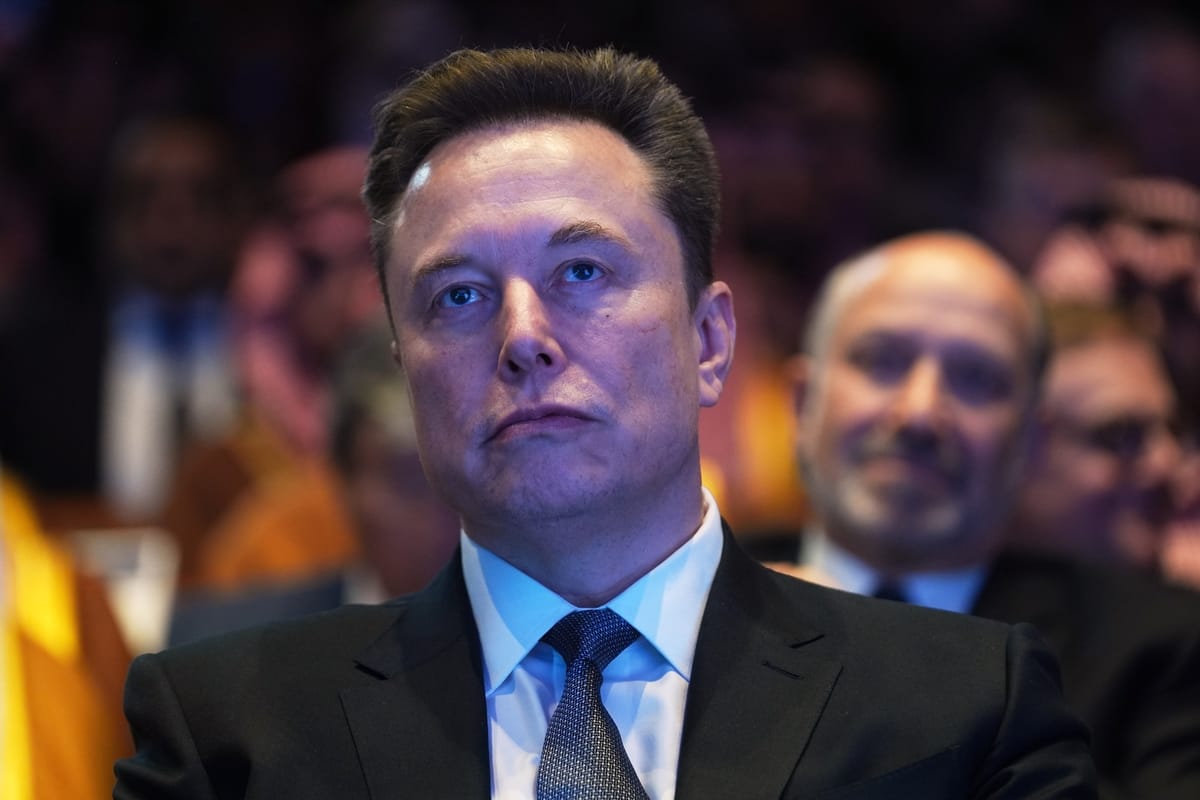
CAPE TOWN, South Africa, Dec. 12, 2025 (AP) — South Africa's communications minister ordered a policy change Friday that allows Elon Musk's Starlink and other foreign-owned satellite internet providers to operate in the country without selling 30% of their local equity to Black or other non-white owners.
The policy change published in a government gazette allows foreign companies seeking licenses to operate in South Africa's communications sector to instead invest in “equity equivalent” programs to meet affirmative action criteria, like skills training or other means of supporting previously disadvantaged groups.
That option is also available for foreign-owned companies in other sectors in South Africa.
Musk, who was born in South Africa, accused his home country of having “openly racist ownership laws” by requiring at least 30% local ownership by Black or other races that were denied opportunities under South Africa's apartheid system of white minority rule.
The world's richest man posted on social media in March that Starlink wasn’t allowed to operate in South Africa “because I’m not black.” U.S. President Donald Trump has also targeted South Africa for criticism over its affirmative action regulations and other policies that he has cast as antiwhite.
South Africa's affirmative action policies, known as Broad-Based Black Economic Empowerment, are a cornerstone of its efforts to redress the inequalities of apartheid, though critics have said they are a barrier to foreign investment.
Starlink, which is a part of Musk's SpaceX, says it already offers its low-orbit satellite internet in more than a dozen African countries, including most of South Africa's neighbors.
South African Communications Minister Solly Malatsi said in his new policy directive that Starlink could help his nation accelerate high-speed internet access for rural and underserved communities.
This article was written by the Associated Press.
Comcast says utility’s policy could delay construction to roughly 13,000 Virginia locations.
In spite of the political salience of 'affordability,' federal rollbacks, industry pressure, and stalled state efforts took a toll on low-income Americans' broadband.
Experts said tying the funding to favorable state AI laws could raise legal issues, but states weren’t certain to litigate.
No 1: Elon Musk Sues to Block Billions in BEAD Funds Going to Fiber, FWA Overbuilders
Member discussion