
SpaceX Challenges Wisconsin, Colorado BEAD Plans
Pennsylvania revised its draft results to award slightly more locations to SpaceX and Kuiper.

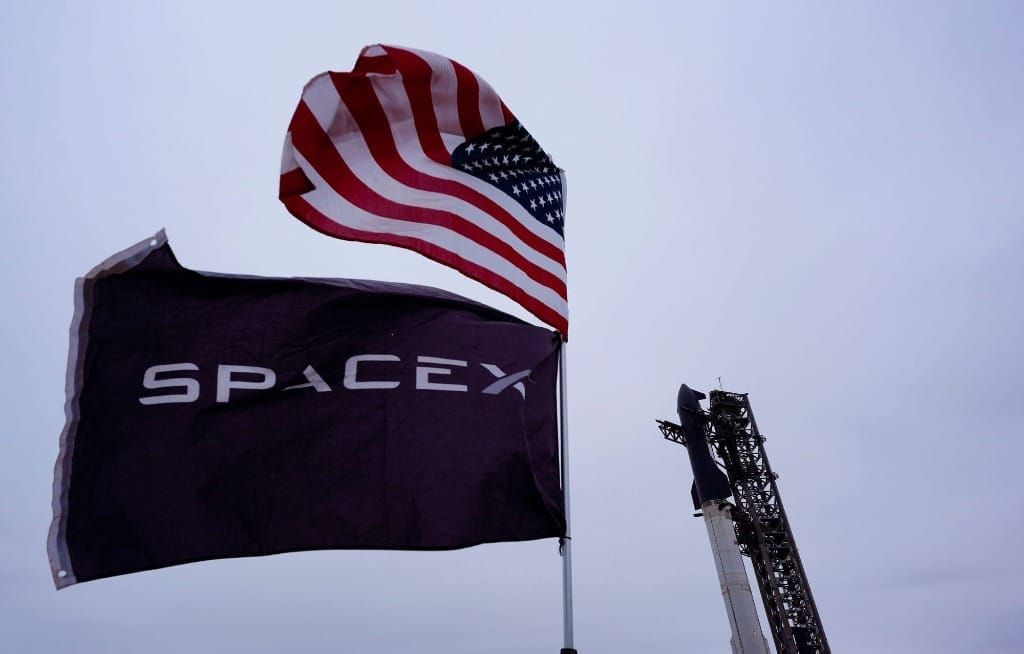
WASHINGTON, Sept. 8, 2025 – SpaceX has challenged at least two more states’ tentative grant winners under a $42.45 billion broadband expansion program, asking the Commerce Department to step in and mandate that states hold another round of bidding.
In those comments on Colorado and Wisconsin’s plans, the company pointed to locations it thought it should have won: those where cost came in 10 times the cost of the lowest offer and those that on average cost more than $10,000 to connect, collectively representing 3.5 percent of the locations eligible for funding in the state.
“NTIA should carefully review Wisconsin’s proposal, reject unnecessary spending, and require Wisconsin to recompete these locations to achieve the Benefit of the Bargain and bring internet to those who need it in months, not years,” Erica Myers, the company’s senior manager for global government affairs, wrote in a comment on the state’s plan.

The company used the same comparison and language in its comment to Colorado, which was reported by PCMag.
SpaceX has been bidding aggressively in the Broadband Equity, Access, and Deployment program, and has argued that it should be winning more locations after the Trump administration instituted new rules that emphasized low deployment costs.
The company challenged the results of at least two other states, Louisiana and Virginia, writing lengthier letters saying it should have won the majority of the states’ eligible locations. States’ results need to be approved by the NTIA before their broadband offices can officially fund projects, an effort NTIA is aiming to finish by the end of the year. So far 33 states have submitted plans.
Whether a satellite provider like SpaceX wins a given area can depend on whether its application is deemed a priority broadband project. Those get the first pick of eligible BEAD locations, even if a non-priority applicant is asking for much less money.
Under the law standing up BEAD, priority projects have to scale easily to meet future demands and support new technology. The Biden administration had determined that applied only to fiber, but the Trump administration asked states to make the call on an application-by-application basis during a mandatory additional round of bidding.
A satellite provider securing priority status would be much more able to beat out a fiber applicant, as fiber deployment costs are relatively high, and SpaceX’s main complaint with Louisiana and Virginia was that it was too often not a priority applicant. States have said high forest cover and mountainous terrain can cut against wireless ISPs because of their effect on signal strength, something SpaceX argues it can mitigate.
In Colorado, nearly half the state’s 96,000 eligible homes and businesses were slated to receive satellite service, but the majority would be served by Amazon's nascent Kuiper service. Kuiper is the only ISP that has won a large number of locations nationally and managed to underbid SpaceX on average.
Wisconsin leaned more heavily on fiber, which would serve 74 percent of the state’s 175,000 locations to SpaceX’s 13 percent (Kuiper didn’t win a project).
NTIA did not immediately respond to a request for comment. The agency is in regular contact with state broadband offices and reviews draft plans with them before their documents are posted for comment.
Still, at least one state, Pennsylvania, did revise its final proposal to award less money to wireline providers and more money to SpaceX and Kuiper. The change was on the margins though, and not the scale of what SpaceX has asked for in Louisiana and Virginia.
Pennsylvania posted the version of its final proposal that it submitted to the agency for approval, which differed slightly from the initial results posted for public comment. In all the state’s submitted plan would get fiber to 184 fewer locations and satellite to 183 additional locations – the total eligible location count in the state was about 127,000.
Under the updated plan submitted to NTIA, SpaceX would win an extra $113,000 in funding, and Kuiper would win an extra $213,000. Comcast would lose $1.2 million and Verizon would lose $2.6 million





Member discussion