SpaceX Doesn’t Want BEAD Payments Tied to Subscriber Milestones

That’s how most states would prefer to disburse the company’s grant awards.

SpaceX Doesn’t Want BEAD Payments Tied to Subscriber Milestones
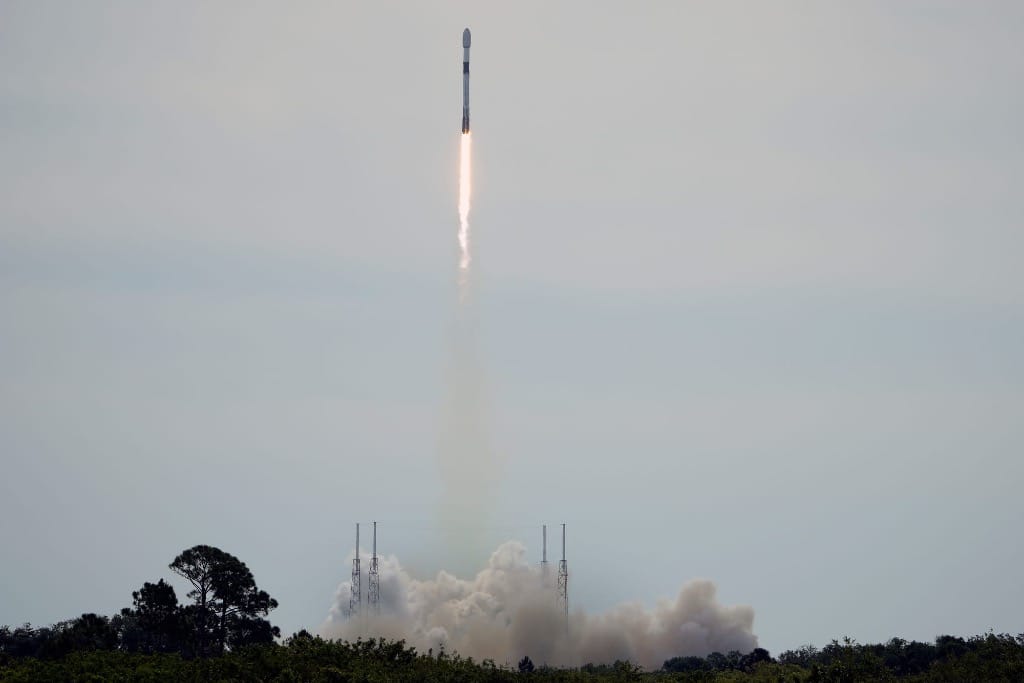
Photo of a SpaceX Falcon 9 rocket with a payload of second-generation Starlink satellites lifting off in April 2023 by John Raoux/AP

WASHINGTON, Jan. 27, 2026 – SpaceX is looking for state broadband offices to pay out its Broadband Equity, Access, and Deployment program funding in equal installments over time. Most states would prefer to use subscriber milestones.

Doug Adams, head of marketing firm Broadband Marketers, on Monday evening posted a contract rider he said SpaceX had asked states to sign as part of their grant agreements.

Among other provisions, the eight-page document included a provision that states would pay the company 50 percent of its award once SpaceX certified it could readily provide service to each of its awarded locations. The rest of the grant funds would be disbursed quarterly in equal installments over the next 10 years.

A state broadband official familiar with the matter said states that awarded SpaceX BEAD funding had received the same rider. They said the National Telecommunications and Information Administration, which runs the BEAD program, had told states not to sign the document and that more agency guidance on the issue would be forthcoming.

NTIA declined to comment. SpaceX did not immediately respond to a request for comment.

When the Trump administration updated the $42.45 billion program’s rules in June, it made it easier for satellite broadband providers like Elon Musk’s SpaceX to compete for grant funding. 

The National Telecommunications and Information Administration, which is managing the program on the federal level, told state broadband offices at the time that low-Earth orbit providers could be reimbursed in one of two ways: equal installments over time or based on subscriber milestones. If states advance a portion of the award, as SpaceX suggested, NTIA rules say the remaining portion would have to be equal installment payments.

Most states in which SpaceX won funding would prefer to do subscriber milestones, which the official said could be a source of tension. NTIA is in the process of approving state spending plans, and after the awards clear another round of review states can begin signing grant agreements, the document SpaceX was looking to tack the rider onto.

“They have different percentages of subscribers within the milestones that they have to meet. If they don’t meet those milestones, they don’t receive funding,” Brandy Reitter, executive director of Colorado’s broadband office, said earlier this month of the state’s LEO grantees. “Those take rates are really critical.”

SpaceX said in the rider its low-cost service option, something required under BEAD rules, would be $80 per month. The company sought a host of other provisions, like the ability to exclude customers with obstructed views of the sky from network tests and to avoid default penalties other than clawbacks of already disbursed funds.

SpaceX has won the most locations of any ISP under the BEAD program, taking more than 464,000 locations. The company won $636 million in funding, although not all of that has been approved by NTIA. Adams posted the contract rider on broadband.io.

Member discussion

Popular Tags