Starlink Routers Receive Conditional Exemption From FCC’s Covered List
The duration of Starlink’s exemption is comparable to its peers, though the approval comes months later.

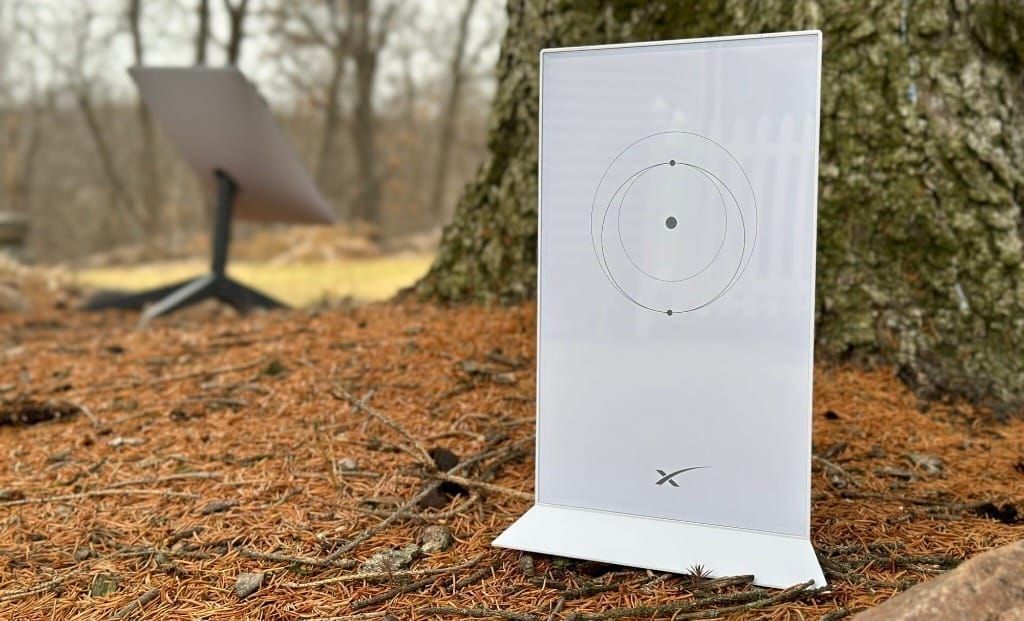
WASHINGTON, July 28, 2026 – The Federal Communications Commission has granted SpaceX a carve-out from its toughest supply chain security rules.
In a public notice released Monday, the FCC’s Public Safety and Homeland Security Bureau confirmed that the Department of War has issued a conditional approval for Starlink routers, exempting the devices from the FCC’s Covered List, the roster of equipment the government has deemed poses an unacceptable risk to national security. The approval runs through Feb. 1, 2028.

The move traces back to March, when the FCC added a sweeping new category to the Covered List: routers produced in a foreign country.
That determination came from an executive branch interagency body and applies broadly, unless a manufacturer secures a conditional approval from the Department of Defense or the Department of Homeland Security.
Since the router ban took effect, at least a dozen manufacturers have received similar exemptions, including Netgear’s Nighthawk and Orbi lines, Amazon's eero, Nokia, Adtran, Calix, Sagemcom, Arcadyan which supplies router hardware to T-Mobile, AT&T, and Verizon, Vantiva, Gemtek, Sercomm, Humax, Askey, Hitron, Alpha Networks, and Miri Technologies.
Starlink’s approval window is comparable in length to the roughly 18-month terms granted to other manufacturers, most of which stretch into late 2027 or January 2028.
However, many competitors, including Netgear, Amazon, Nokia, Adtran, received their approvals back in March and April 2026. Starlink’s clearance came more than four months later.
Router companies noted that onshoring manufacturing of these products would be unlikely in the short term and that the majority of vendors would likely face disruptions.
All exemptions run through the same DoD/DHS vetting process established under the Secure and Trusted Communications Networks Act of 2019.
The router ban is a sequel to the FCC’s earlier crackdowns on Huawei, ZTE, Hikvision, Dahua, Hytera, and Kaspersky equipment and services, all of which remain on the Covered List with no exemption path.
A parallel conditional approval track exists for foreign-made drones, with companies like SiFly, Mobilicom, and Verge already cleared. The temporary exceptions which will run through Jan. 1, 2028, were previously set to expire in early 2027.