
State AG Warns Colorado AI Bill Could Drive Innovation Out of State
Colorado’s top law enforcement officer pushes back against the state’s landmark AI regulation.

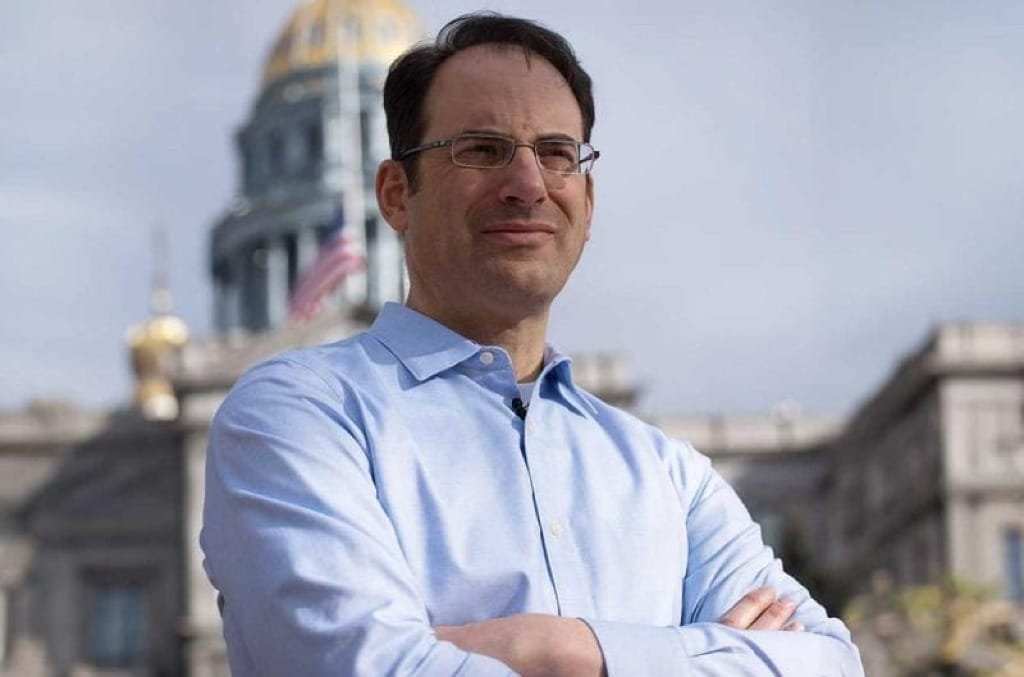
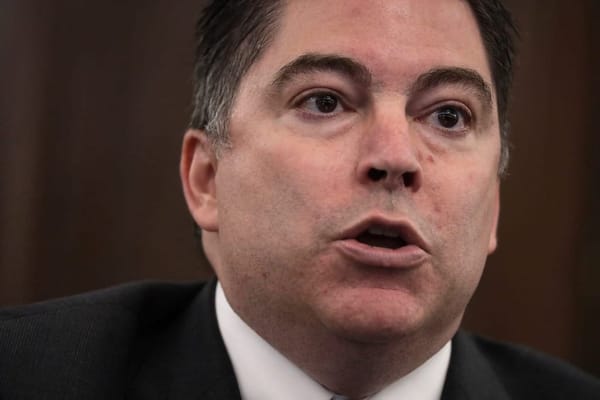
DENVER, August 5, 2025 – Colorado Attorney General Phil Weiser warned Tuesday that a state artificial intelligence law could stifle innovation and push businesses elsewhere.
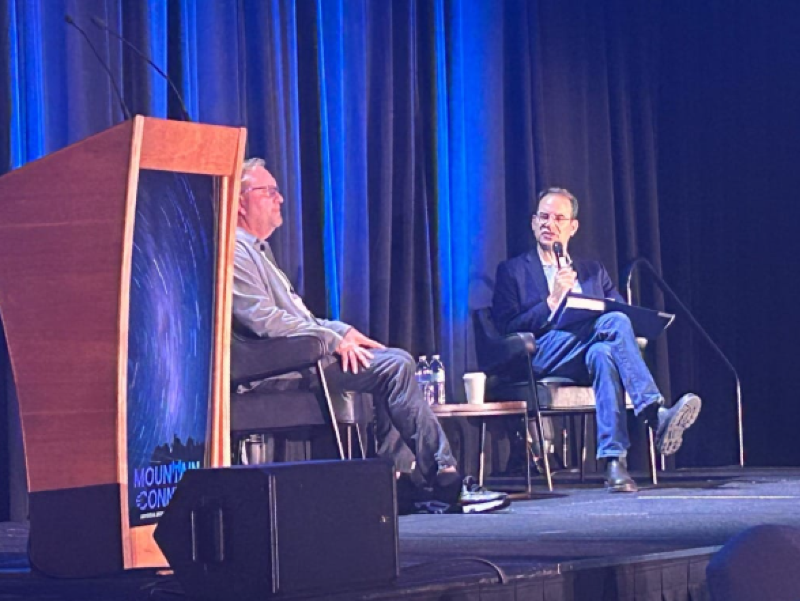
At the opening keynote kicking off Mountain Connect 2025, Weiser was joined by Dan Caruso, founder of Zayo and CEO of Caruso Ventures, to discuss how states and companies should take advantage of the AI boom, without falling into pitfalls characteristic of the dotcom era. Both men took shots at recently passed legislation regulating AI systems in Colorado.
“This bill is really problematic, it needs to be fixed. And, after a year's effort to try to fix it, it didn’t get fixed,” Weiser said.

“Put yourself back in the late ‘90s,” Caruso said. “If a state like Colorado said, ‘We’re scared of the internet. Let’s put laws in place that make it very hard for anyone who wants to work on the internet to do it here. Let’s push those jobs to other states’ – wouldn’t that be ridiculous? ” he posed. “Yet that’s what we’re doing now in Colorado [with this AI legislation].”
Caruso and Weiser were referencing Colorado Senate Bill 24‑205, known as the Consumer Protections for AI Act, which was signed into law on May 17, 2024, and scheduled to take effect on February 1, 2026.
However, on May 5, 2025, Weiser, along with Colorado Governor Jared Polis, Denver Mayor Mike Johnston, and other officials, released a joint letter requesting that the bill’s effective date be delayed until January 2027.
Weiser, who led a bipartisan group of state Attorney Generals opposing a federal AI regulation moratorium, was particularly frustrated by the Colorado law, which establishes a framework to lower the risk of algorithmic discrimination in AI-based decision-making technology.
“At the very end of the session this bill moved through very quickly, such that even myself, as an expert in this area, hadn’t been read in, or brought in, or engaged,” Weiser said. “...So the first conversation I had with this community about the bill was after it was both passed and signed into law by the governor.”
In the letter, Weiser and the other signatories wrote, “It is clear that more time is needed to continue important stakeholder work to ensure that Colorado’s artificial intelligence regulatory law is effective and implementable.”
A bill to delay and amend the AI law, SB 25-318, was postponed indefinitely by the Colorado Senate in May 2025. The original law, SB 24-205, was still scheduled to take effect on February 1, 2026.

Member discussion