State Broadband Officers Still Face Delays in BEAD Approval, Implementation
Approvals by the National Institute of Standards and Technology are delaying deployment, officers said, although most don’t expect long permitting delays

Broadband Breakfast
WASHINGTON, Jan. 21, 2026 — State broadband officers reported Wednesday that federal approval bottlenecks are still threatening to delay deployment of billions of dollars in broadband infrastructure funding, even as most states have cleared initial regulatory hurdles.
Five of the seven state officials participating in a Broadband Breakfast panel said they have received approval from the National Telecommunications and Information Administration for their Broadband Equity Access and Deployment program plans.
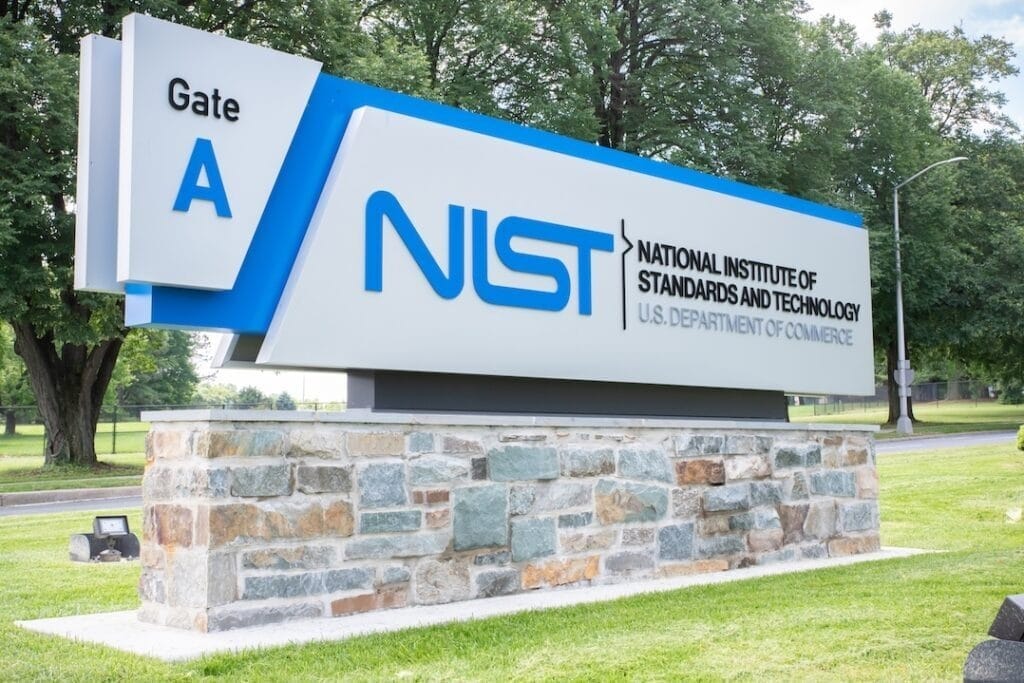
But only Texas and North Dakota had secured the required financial approval from the National Institute of Standards and Technology (NIST).

Broadband BreakfastBroadband Breakfast
NIST approval at issue
"We couldn't start until we have the NIST approval," said Bree Maki, executive director of Minnesota's Office of Broadband Deployment. "Our providers are sort of sitting here going, I can't move forward. So I would just say that that's of concern, especially for states” in which construction is reliant on the weather, she said.
Minnesota faces approximately 76,000 BEAD-eligible locations, although she said the state has around 155,000 homes and businesses that don't meet statutory broadband goals. Maki said explaining the gap between state goals and BEAD eligibility "has been a challenge in the state of Minnesota."
The NIST approval process, intended to review states' financial plans before releasing funds, has taken far longer than expected, agreed Brian Newby, North Dakota's state broadband director.
The state waited nearly two months after NTIA approval before receiving the finalization of NIST paperwork on Jan. 13, he said.
"There's enough history to suggest that this is a real big concern," Newby said. "I've starkly said, you know, you fool me once, shame on you. You fool me five times, shame on NTIA."
Texas is connecting more than 240,000 locations
Texas offers a contrasting timeline. Bryant Clayton, director of the Texas Broadband Development Office, said his state received NTIA approval in just 22 days after submitting its final proposal. However, NIST approval still took several additional weeks, he said.
"We chalked that up to we did our best to adhere to the guidance that they gave," Clayton said. "From our perspective, we got a very quick approval."
Texas is deploying more than $1.2 billion to connect more than 240,000 locations, with about 50% awarded to fiber builds, 27% to low-Earth orbit satellites and 22% to fixed wireless, Clayton said.
Environmental permitting requirements under the National Environmental Policy Act (NEPA) pose another significant challenge. State broadband officers said they expect the NEPA process to take at least six months, potentially delaying construction starts into 2027 for some states.
"We fully expect that six months is real, if not understated," Newby said. "Our biggest concern is that we may not even be able to start until 2027 because of the time frame heading this way with permitting."
North Dakota has only 279 unserved locations remaining after Capital Projects Fund deployments, all of which will receive fiber from two providers. Newby said his state's objective is "very clearly to be the first state to be completed."
Shovels in the ground?
"We would like to see shovels in the ground by the end of the year, but given seasons and how things are going with NIST approvals, it may not be quite as early as we would hope," said Claire Shiverdecker, program manager at the Utah Broadband Center, which received NTIA approval in December for about 30,000 locations.
Utah's geography presents unique challenges, with 80% of the population concentrated along one urban corridor. "The rest of the state population is very sparsely dispersed," Shiverdecker said, noting the state will use about 50% fiber with low-Earth orbit (LEO) satellite and wireless covering remaining remote areas.
Wisconsin's 175,000 BEAD-funded locations represent one of the highest totals nationally, said Alyssa Kenney, Wisconsin's state broadband and digital equity director. The state will deploy 76% fiber, calling it "quite a bit of construction happening in our state that we're excited about."
Broadband BreakfastBroadband Breakfast
Kenney emphasized the value of the extended timeline. "One of the small benefits of this very long runway to get started is we've been talking to our local government and our permitting agencies and our [Department of Natural Resources] about BEAD for a long time now," she said. "We're ready."
Vermont's Christine Hallquist, executive director of the Vermont Community Broadband Board, said that the state expects to award 83% of its funds for fiber, 14% for LEO and only 3% to hybrid fiber and cable connections.
"I can't wait to start construction again because we know how to do that really well," Hallquist said, citing strong relationships with electric cooperatives and established make-ready processes.
Delaware's Connor Perry, managing under 5,000 locations, said his state is "not anticipating a significant slowdown" on permitting.
"We're hoping to see construction begin sometime this summer barring any new surprises," Perry said, noting Delaware's forward-thinking fiber backbone built a decade ago has simplified deployment planning.
In closing, the state officials emphasized their commitment to connecting unserved residents.
"At the end of the day, we all care about the residents who still do not have broadband and continue to be left behind, and the goal is really to get those served," Maki said. "Relationships matter. They matter with the people on this call. They matter with our Internet service providers."
The Broadband Breakfast Live Online session was moderated by Broadband Breakfast CEO Drew Clark, who announced the upcoming BEAD Implementation Summit 2026 in Washington on Wednesday, March 18, 2026.

Member discussion