Study Says Grid Can Handle AI Power Surge

Researchers say flexible compute schedules and modest grid upgrades ease immediate pressure.

Study Says Grid Can Handle AI Power Surge
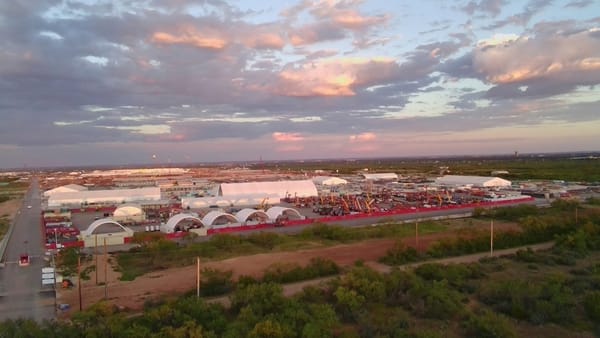
Photo of transmission lines in the Texas energy grid

WASHINGTON, Nov. 26, 2025 — Rising electricity demand from data centers and artificial intelligence does not require slowing construction of new facilities, according to a think tank report that said existing grid capacity could absorb near-term growth through targeted upgrades and workload scheduling.

The Information Technology and Innovation Foundation, a nonprofit think-tank, said in a Monday report that U.S. electricity use was rising again after nearly two decades of flat demand.

It projected steady growth through 2026, driven largely by AI computing, electric vehicles and industrial electrification. Data centers could reach roughly 7 to 12 percent of national electricity consumption by 2028, up from about 4 percent today.

The report said the grid still operated with substantial unused capacity outside peak hours, estimating average utilization at around 40 percent.

It said many data center workloads could be shifted to off-peak periods or to regions with more available power. The Department of Energy has encouraged operators to use load-shifting, battery support and flexible scheduling to ease local strain.

On the supply side, the report pointed to technologies that can raise the capacity of existing transmission lines by double-digit percentages and be deployed in months. By comparison, new transmission projects often require a decade or more to permit and build.

The foundation said regulators should focus on faster, lower-cost upgrades to the existing grid and encourage operators to shift flexible workloads away from peak hours. It said those steps would help prevent power constraints from delaying data center projects or slowing AI-related infrastructure growth.

Member discussion

Popular Tags