Telecom Act Aides Say Failure to Define Broadband Sparked Years of Regulatory Fights
At the Benton Institute event, panelists reflect on successes and failures of the Telecom Act of 1996

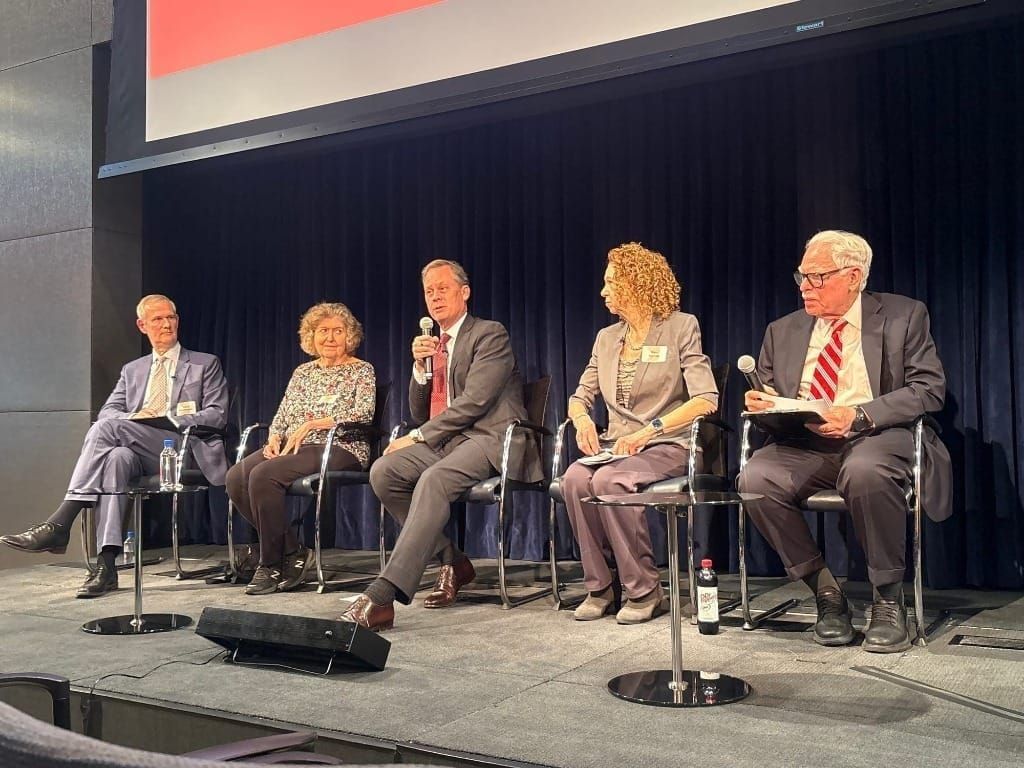
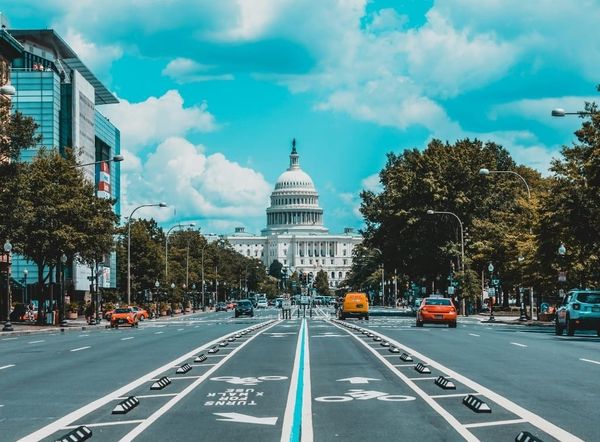
WASHINGTON, March 6, 2026 – When it comes to universal service, architects of the Telecommunications Act of 1996 say they failed to address broadband’s regulatory status and failed to include a mechanism requiring the Universal Service Fund (USF) to be modernized every couple years.
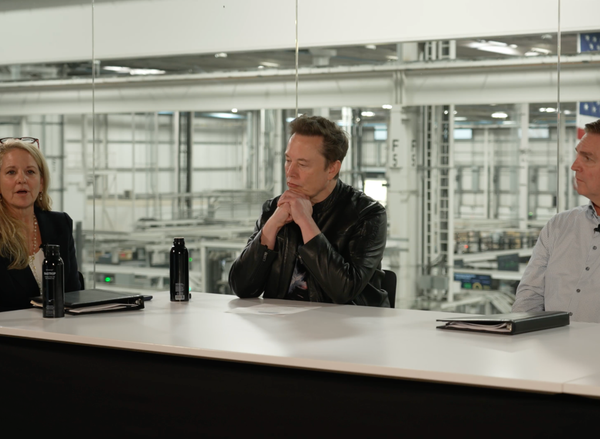
At the Benton Institute for Broadband and Society’s Telecom Act at 30 event on Thursday, moderator Andrew Jay Schwartzman hosted a panel focused on celebrating and reflecting on the Telecom Act of 1996.
John Windhausen, a Senate staffer in 1996, said a “big disappointment” was that the act didn’t better define what broadband was, especially as the country was on the cusp of deploying service at that time. He said the law could have implemented a “lighter regulatory regime for broadband,” which would have prevented “decades of litigious activity and rulemaking proceedings.”
The FCC's drone ruling, once aimed at China-based DJI, now covers all foreign components, and industry experts warn the broad scope may backfire on American drone dominance.
Among the 10 companies blacklisted by China are AVEOX in Simi Valley, California; Red Cat Holdings and Teal Drones, both in South Salt Lake, Utah; and IMSAR in Springville, Utah.
Society has no choice but to change in the advent of AI, although Huang has been optimistic about the technology’s potential.
The Federal Energy Regulatory Commission has ordered regional grid operators to help large energy users connect more quickly to the grid.