Thune Moves to Provide FCC's Carr with GOP Majority – Trusty Confirmation Possible by Wednesday
The Senate Commerce Committee approved Trusty's nomination in a bipartisan 21-7 vote on April 30.

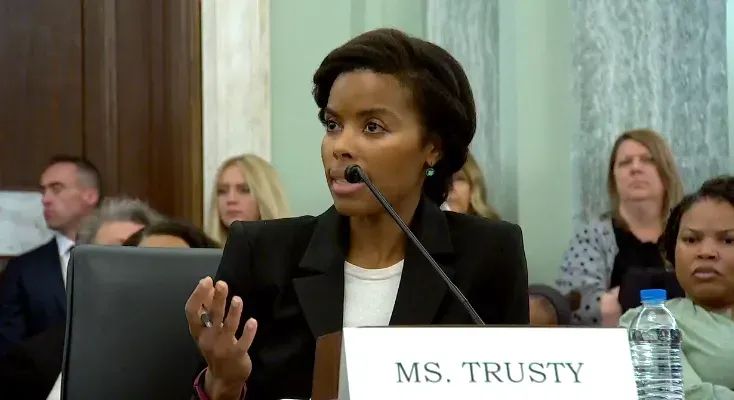
FCC: Things are about to get more interesting at the FCC under Chairman Brendan Carr. Last night, Senate Majority Leader John Thune took the first procedural step toward confirming Olivia Trusty as a Republican FCC Commissioner. Trusty’s confirmation would provide leader Carr with a one-vote GOP edge that theoretically escaped his grasp last week after Republican FCC Commissioner Nathan Simington suddenly resigned on June 6, leaving just Carr and Democratic FCC Commissioner Anna Gomez in a 1-1 deadlock.
 Broadband Breakfast
Senate staff sent out an email last night saying that Thune had “filed cloture” on Trusty, a needed procedural step to clear before a floor vote can happen. If things go according to plan, Trusty could be in her new job by next Wednesday, about a week before the FCC’s June 26 Open Meeting in Washington, D.C. The Senate is not in session next Thursday for the Juneteenth federal holiday or Friday. Carr, in a June 4 message, suggested he knew things were stirring in the Senate. “There’s a lot of time between now and our scheduled June 26 Commission meeting. Stay tuned on that front,” he said. President Trump nominated Trusty twice – once to serve until June 30 (the time left on former FCC Chairwoman Jessica Rosenworcel’s term) and again to serve her own five-year term starting July 1. Thune filed cloture on both. (More after paywall.)