Tribal Groups Urge FCC to Add Licensing Window in Upper C-Band Auction

Letter urges a special filing window to expand broadband on native lands.

Tribal Groups Urge FCC to Add Licensing Window in Upper C-Band Auction
Photo of the Monument Valley, a Navajo Nation tribal park on the Utah-Arizona border.

WASHINGTON, Nov. 12, 2025 — Twenty-one tribal governments and broadband advocacy groups urged the Federal Communications Commission this week to open a special application period for Tribal nations before auctioning new wireless spectrum, saying the step would help close the broadband gap on native lands.

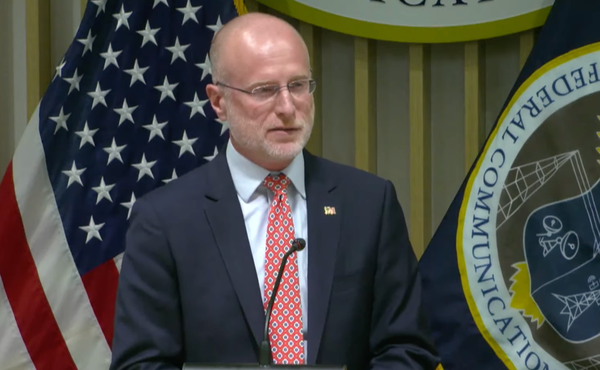
In a letter to FCC Chairman Brendan Carr, the coalition – including Public Knowledge, the Benton Institute for Broadband & Society, and tribes includes the Bigfoot Communications of the Colville Tribes, Bishop Paiute Tribe, Choctaw Nation of Oklahoma, and others – asked the agency to set aside what is called the tribal licensing window in the upcoming upper C-band auction

The band which covers the 3.98–4.2 GigaHertz (GHz) range. That mid-band spectrum is valued for its ability to carry large amounts of data over moderate distances, making it well-suited for fixed-wireless broadband in rural terrain where fiber is difficult to build.

Supporters said the move would follow a 2019 initiative under former FCC Chairman Ajit Pai that gave tribes a first opportunity to apply for 2.5 GHz licenses.

More than 400 tribal entities gained direct control of frequencies under that program, which helped connect schools in Arizona’s Grand Canyon and extend wireless service through wildfire-prone parts of Northern California.

The letter said the proposal is consistent with Section 309 of the Communications Act, which directs the FCC to design spectrum auctions that expand participation for tribal groups, including carriers, businesses, governments, and citizens on native lands. 

A tribal licensing window gives tribal governments and internet providers an early opportunity to apply for spectrum licenses before they are auctioned to commercial bidders.

Advocates say the approach ensures that spectrum covering native lands can be used for local broadband projects instead of being held by national carriers that may not build service in those areas.

Member discussion

Popular Tags