Trump Calls for Military to Accelerate Use of Artificial Intelligence
Trump issued a Friday memo directing the military to ensure that autonomous weapons systems respect the chain of command.

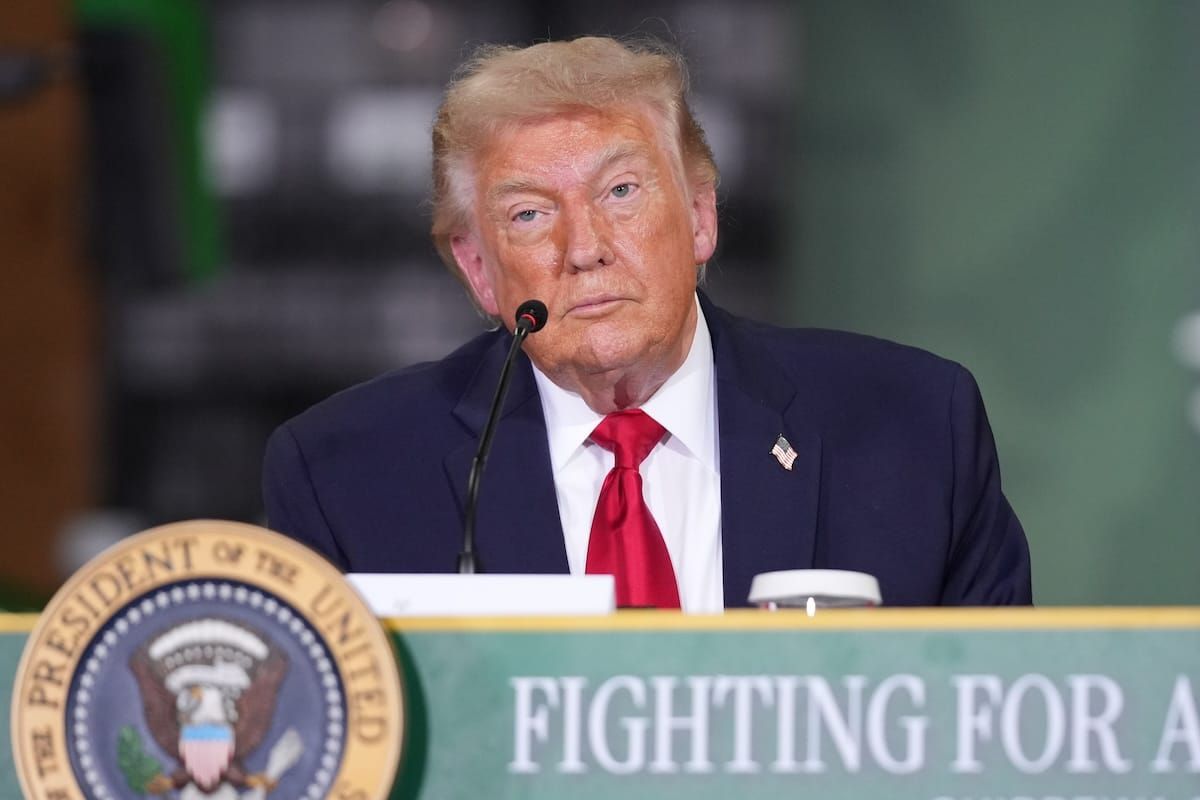
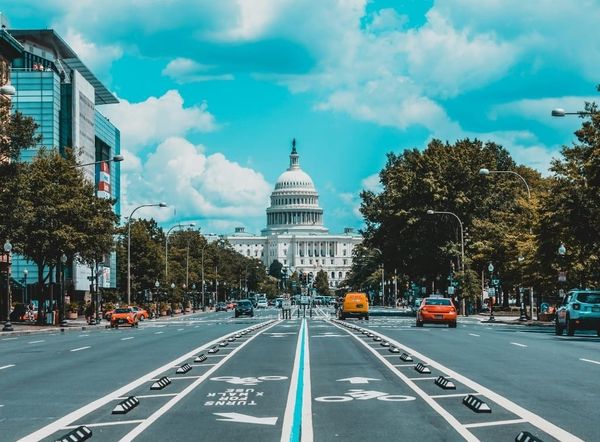
WASHINGTON, June 6, 2026 (AP) — President Donald Trump issued a memo Friday that calls for the U.S. military and national security agencies to accelerate their use of artificial intelligence, while acknowledging the need to protect civil liberties and maintain oversight over autonomous weapon systems.
The memo comes at a time of growing anxiety over AI in American society, from replacing people's jobs to helping to identify targets on the battlefield. The Trump administration has been pushing to unleash the power of AI for the U.S. military, while some military leaders and companies that contract with the Pentagon have been noting caution and calling for guardrails.

Trump's memo addressed much of his Cabinet, including the secretaries of defense and homeland security as well as the attorney general and director of national intelligence.
Trump is requiring an updated directive on autonomous weapon systems to account for AI's rapidly evolving capabilities. It directs the Department of Defense “to ensure the deliberate adoption of AI systems that respect the chain of command and operational authorities.”
The current directive, issued in 2023 under the Biden administration, states that such weapons systems will be designed "to allow commanders and operators to exercise appropriate levels of human judgment over the use of force,” according to the Congressional Research Service.
Trump's memo also restricts the use of AI to “censor free speech, embed ideological bias, or conduct unlawful surveillance against the American people.”
“The use of AI by the national security enterprise must always be consistent with United States civil liberties and protections afforded by the Constitution and laws and regulations safeguarding the privacy of American citizens,” the memo states.
The Defense Department has already been accelerating its use of AI in recent years. The technology can help reduce the time it takes to identify and strike a target, while aiding in the mundane tasks of organizing equipment maintenance, supply lines and other logistics.
But concerns about protecting civil liberties and human oversight of autonomous weapon systems have drawn increasing attention. They're at the center of a dispute that erupted this year as the Pentagon seeks to leverage the power of American tech companies to boost the military's AI capabilities.
The company Anthropic said it wanted assurances in its contract that the military would not use its technology in fully autonomous weapons and the surveillance of Americans. Defense Secretary Pete Hegseth said the company must allow for any uses the Pentagon deemed lawful.
Anthropic sued after Trump tried to stop all federal agencies from using the company’s chatbot Claude and Hegseth sought to label the company a supply chain risk, a designation meant to protect against sabotage of national security systems by foreign adversaries.
Concerns about military use of AI arose during Israel’s war against militants in Gaza and Lebanon, with U.S. tech giants quietly empowering Israel to track targets. But the number of civilians killed also soared, fueling fears that these tools contributed to the deaths of innocent people.
U.S. military leaders who attended an annual special forces conference in Tampa, Florida, spoke about the benefits of AI as well as the need for human safeguards.
Adm. Frank Bradley, head of U.S. Special Operations Command, told attendees that troops “have to be very careful about how we come to (AI’s) employment and its inspiration into the delivery of lethality.”
Bradley said he can see a future where AI determines what targets to hit but that “we, as humans, have to have the confidence that ... it’s going to deliver violence only where we intend it to be delivered.”
This article was written by Ben Finley of the Associated Press.