Trump Signs USF Reform Bill Backed by Sen. Capito
The new law requires the FCC to establish a vetting process for USF applicants.

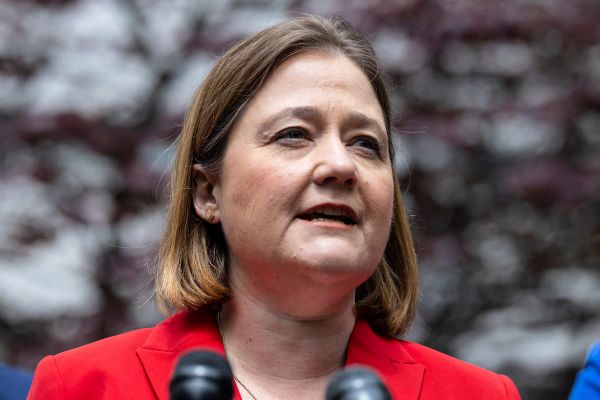
WASHINGTON, May 12, 2026 — President Donald Trump has signed the Rural Broadband Protection Act authored by Sen. Shelley Moore Capito, R-W.Va., which requires the Federal Communications Commission to establish a vetting process for Universal Service Fund applicants.
Capito and other supporters hope this will prevent defaults, such as those affecting the 2020 Rural Digital Opportunity Fund.
“I have long supported efforts to expand broadband access to those who need it most, and this bill ensures that federal dollars are spent responsibly and directed toward connecting rural communities across West Virginia,” said Capito.
The law requires the FCC “to ascertain that the applicant possesses the technical, financial, and operational capabilities, and has a reasonable business plan, to deploy the proposed network and deliver services with the relevant performance characteristics and requirements defined by the FCC and as pledged by the applicant.”
The law provides penalties for pre-authorization defaults set at $9,000 per violation, with at least 30 percent of the applicant’s total project support subject to forfeiture.
The USF is a collection of four FCC provisions designed to fund broadband expansion into rural and remote areas. The $8 billion-a-year subsidy is funded through service fees on intrastate and international calls.
IMF Managing Director Kristalina Georgieva emphasized the importance of regulation to prevent potential harm from AI
The eight states are Arizona, Arkansas, Idaho, Iowa, Kansas, Montana, Nebraska and West Virginia
The agency expects the FCC to propose auction rules ‘pretty quickly’ after that

China plans to restrict or ban exports of 40 technologies, including AI, chips, and solar power