Trusty Speaks Out, Suggests NPR, PBS Missed Obvious Wake-Up Call
'It is not unreasonable for taxpayers to expect transparency, accountability, and balance from any outlet receiving federal support.'

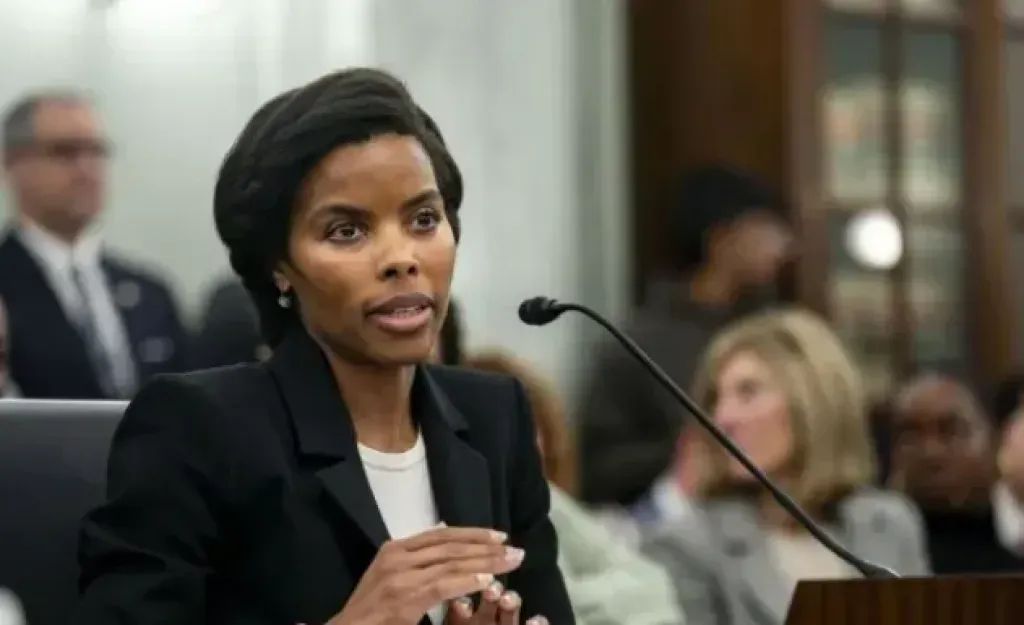
FCC: FCC Commissioner Olivia Trusty just spoke out on a divisive ideological topic. Trusty, a bit on the quite side since being sworn in on June 23, issued a statement yesterday responding to congressional defunding of NPR and PBS last Friday. The Republican’s message: The two public media outlets likely missed an obvious wake-up call. “Americans are increasingly skeptical of media institutions, with trust in media at historic lows. That reality cannot be ignored. It is not unreasonable for taxpayers to expect transparency, accountability, and balance from any outlet receiving federal support.
 Broadband Breakfast
Nor is it unreasonable for Congress to reassess whether public funding models established in a different media era remain justified today, especially when Americans have more access to more content from more sources than ever before,” Trusty said. In commenting, Trusty took on an issue – funding public media – that is not within the scope of normal FCC activity, such as PBS and NPR station licensing. Meanwhile, NPR CEO Katherine Maher announced yesterday that she is cutting NPR’s operating budget by $8 million and directing the money to the most financially impacted radio stations. “It’s the short-term step for how we respond right now,” Maher told Texas Public Radio. “We’re going to use the rest of the year to plan for how we bridge what’s to come in order to support and sustain the network for the future.” (More after paywall.)