Universal Service Fund Contribution Factor Projected to Reach Record 42.3%
Analyst argues broadband providers should contribute, as shrinking telecom revenues push the surcharge toward record levels.

WASHINGTON, June 8, 2026 – The surcharge used to fund the federal Universal Service Fund could climb above 40 percent for the first time next quarter, according to one analyst's prediction.
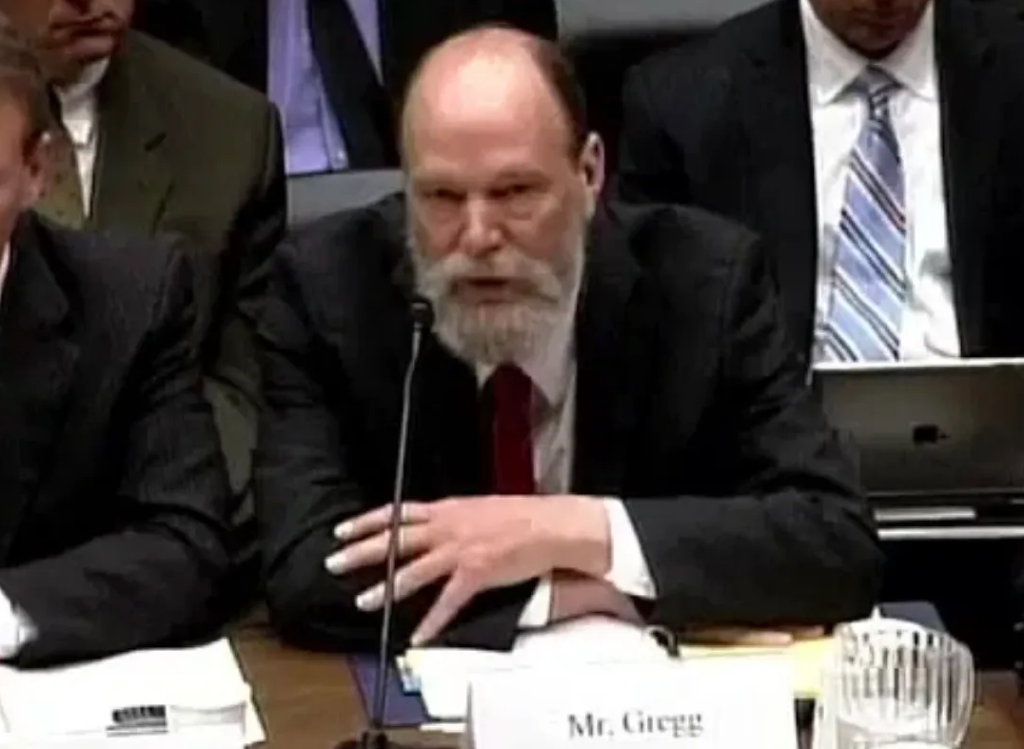
Analyst Billy Jack Gregg told Broadband Breakfast that he expects the USF contribution factor will hit 42.3 percent in Q3, the highest ever, based on numbers released June 1 by the Universal Service Administrative Co. The predicted figure would represent a sharp increase from the 37 percent contribution factor in the second quarter of 2026, if realized.

The factor represents the percentage of assessable telecommunications revenue that providers must contribute to the USF to support rural broadband, school connectivity and other universal service programs. Many providers pass the cost through to consumers as a line item charge on phone bills.
The FCC’s Office of the Managing Director is expected to release its decision on the contribution factor this week, which will determine the official third quarter rate. Gregg’s 42.3 percent figure is a projection based on USAC data.
How the contribution factor rises and falls
The contribution factor rises when either USF funding needs increase or the pool of assessable telecom revenues shrinks. In recent years, the latter has been a major driver, as traditional voice revenues continue to decline.
“The assessment factor that consumers pay on their bill has gone up, up, up, simply because the amount of revenues that is the basis of the contribution base have declined from about $75 billion in 2003 to $32.3 billion in 2025,” Gregg said.
“It's down by more than half,” he said of the assessable revenue base, which includes interstate and international telecommunications revenues from traditional wireline voice, wireless, and VoIP services, calling the decline “problematic.”
USAC reported a projected $7.22 billion revenue base for the third quarter of 2026, down more than $300 million, or about 4%–5% from the previous two quarters, continuing a downward trend in the assessable base.
The FCC’s overall Universal Service Fund demand, meanwhile, has remained relatively stable since 2010, rising only modestly from about $6 billion in 2010 to roughly $8–$9 billion in recent years.
“It has really not grown at all,” Gregg told Broadband Breakfast, saying the FCC and other policymakers involved had done an “admirable job” of controlling overall demand.
The prediction comes as lawmakers aim to advance Universal Service Fund reform legislation this summer. The FCC has also launched a proceeding to modernize the fund’s largest program.
As lawmakers look to reform the fund, Gregg argued that broadband providers should be brought into the Universal Service Fund contribution base to help offset declines in traditional voice revenues.
“The way that the section of the Telecommunications Act is worded, it requires that all providers of telecommunication services contribute to the preservation and advancement of universal service throughout the United States,” Gregg said.
The predominant form of telecommunication services now being provided in the United States are through broadband. Yet, lawmakers have not required the industry to pay into the fund that supports its expansion.
“I think that at least broadband should contribute,” Gregg said. “That just seems fair and consistent with the requirements of the Act or at least the spirit of the Act,” he said, citing Section 254(d) of the Telecommunications Act.
To calculate the contribution factor Gregg divided the Universal Service Fund’s projected quarterly funding requirement by the projected contribution base, following a methodology laid out by the FCC. The calculation includes several adjustments, including true-ups, carry-forward balances, the circularity adjustment, and a small allowance for uncollectible contributions.
“Over time the FCC has made various tweaks to how the calculation is made, and I've incorporated those,” Gregg said, noting he has tracked the metric since 2003.
Gregg is a retired utility regulator who represented telephone ratepayers for 26 years, having served as director of the State Consumer Advocate Division at the West Virginia Public Service Commission.
He also served on USAC’s board in the early 2000s and was later appointed to the Federal-State Joint Board on Universal Service, where he served until 2007.