SpaceX Wants More Spectrum for Direct-to-Device
It named NextNav’s proposal, which the security industry reiterated opposition to.

Jake Neenan
Aug. 11, 2026 – SpaceX is looking for more spectrum to be available for satellite use, it told federal regulators Tuesday.
The company is buying $19.6 billion worth of licenses from EchoStar, and when the Federal Communications Commission approved that deal, it set buildout deadlines that could be satisfied by either terrestrial deployments or satellite direct-to-device performance.
The agency did the same when it approved T-Mobile’s sale of low-band licenses to Gran Management, which plans to lease them for direct-to-device.
SpaceX would like to see the framework expanded, it said in a filing with the FCC posted Tuesday.
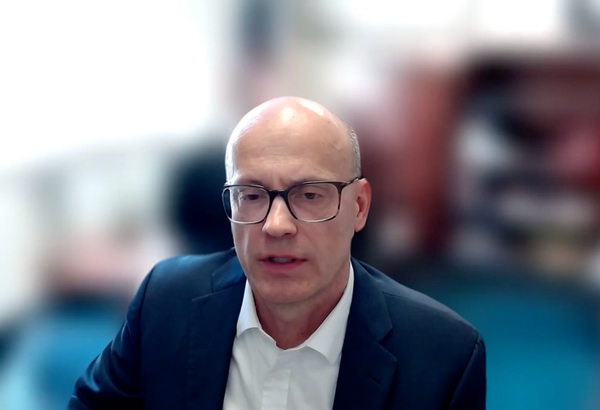
“These technology-neutral deployment guidelines encourage fast investments to put scarce low- and mid-band spectrum to use,” wrote David Goldman, SpaceX’s vice president of satellite policy.
On the company’s first earnings call last week, executives said SpaceX planned to build terrestrial infrastructure to support its satellite-powered mobile service, a bid to compete directly with the major mobile carriers for subscribers.
CEO Elon Musk described locating tiny femtocells on the mounts that fix SpaceX dishes to the roofs of buildings, a strategy analysts were skeptical of.
Regardless, SpaceX had a list of bands in which it wanted to see satellite service allowed as a deployment option.
Those included the 900 MegaHertz (MHz) band spectrum that location company NextNav wants to use for a 5G network and GPS backup, other 900 MHz spectrum used by utilities, and 5 megahertz of government spectrum the Commerce Department has identified for auction.
SpaceX was unable to convince the FCC to allow satellite deployments in the upper C-band, which the agency cleared rules for last month. It also urged the agency to expand a recent inquity into using other unlicensed spectrum for direct-to-device.
NextNav
NextNav has been pushing for the FCC to reorganize part of the 900 MHz band and give the company, which already operates there, a contiguous 15 megahertz to use for a GPS backup and lease to mobile carriers.
The company was happy to see what it saw as support for its plan from the dominant low-Earth orbit satellite operator. NextNav stock was up 15 percent Tuesday.
“This is a very exciting involvement for us,” CEO Mariam Sorond said on the company’s earnings call Tuesday.
Asked by an analyst whether SpaceX would potentially lease or buy the spectrum, Sorond said she believed SpaceX executives when they said they would use terrestrial gear and satellites to support a mobile service.
“They have highlighted the need for low-band spectrum, and there is not much of that available,” she said. “I think their interest is driven by the fact that low-band is scarce, and they are showing their interest through this filing and wanting to make sure that low-band is made available.”
Stakeholders think the FCC is working on a proposal based on a filing with the White House earlier this year, but aren’t sure where the agency is landing. A notice of proposed rulemaking can also be more open-ended and seek additional input.
The plan has almost uniformly faced opposition from other 900 MHz users. The band supports unlicensed operations by tolling operators, utilities, railroads, and others, who each fear NextNav’s proposal would cause unworkable interference.
Also on Tuesday, the Security Industry Association, an opponent of NextNav’s, posted an AI-generated video blasting the company for not answering technical questions about its coexistence testing in San Jose. Those test have FCC approval to continue through December 2027.
Asked about coexistence testing on the call, Sorond said other tests with railroad companies in Colorado had gone well.
“We are in dialogue with them to continue that engagement. We have also started talking to some of the other various licensed entities and unlicensed entities,” she said.
She said the company would conduct more testing if necessary to advance its proposal.