Universal Service Fund Working Group Looking for FCC Briefing

Lawmakers are considering how best to reform the fund.

Universal Service Fund Working Group Looking for FCC Briefing
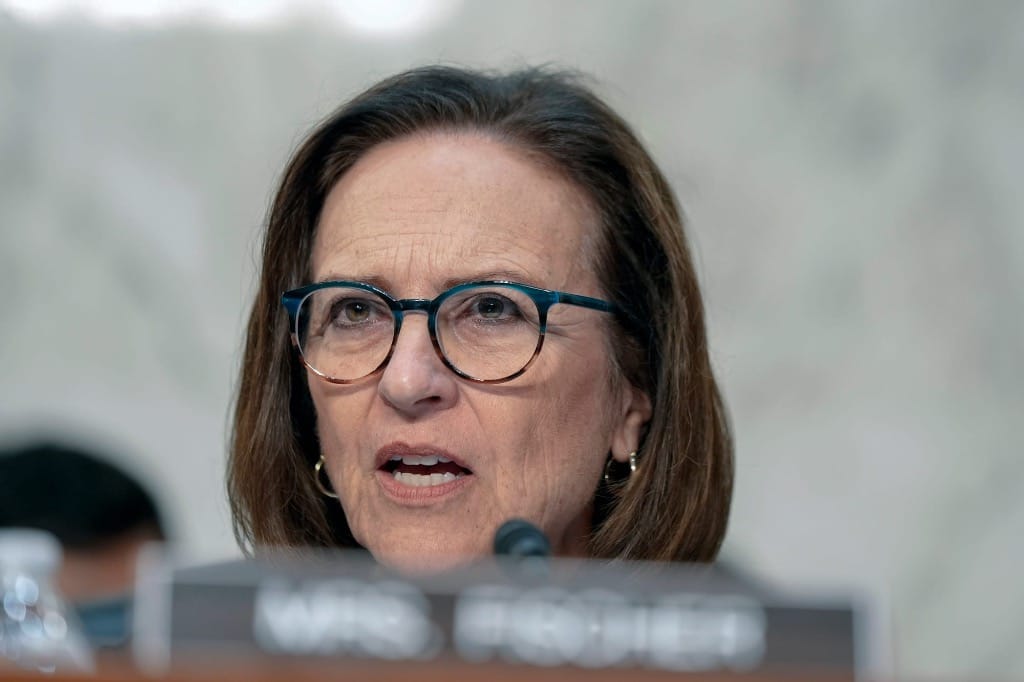
Photo of Sen. Deb Fischer, R-Neb., from Mariam Zuhaib/AP

WASHINGTON, Dec. 19, 2025 – Lawmakers working on reforming an $8 billion-per-year broadband subsidy are looking for a briefing from Federal Communications Commission staff to help them out.

The FCC manages the Universal Service Fund, and lawmakers from both parties and chambers of Congress are working to make the program more sustainable. It’s currently funded by fees on interstate and international voice revenue, a pool of cash that’s only shrinking as demand remains consistent.

“Given ongoing discussions about the Fund’s stability, contribution methodology, and long-term policy direction, it is important for our offices to receive updated information directly from Commission staff,” Sen. Deb Fischer, R-Neb., one of the working group leaders, wrote in a Wednesday letter to the agency.

She and other top members of the group asked for “a staff-level briefing covering:

1. The most recent program outlays and cost projections across each USF program;

2. Assessment of the USF contribution factor and recent fluctuations;

3. Rulemakings or reforms of USF programs under consideration by the Commission; and

4. Any administrative challenges, program integrity concerns, or operational updates pertinent to congressional oversight of the Fund.”

The working group asked for the meeting to happen some time before Jan. 30, 2026. Aides to two lawmakers in the working group said in October they planned to unveil a modernization framework by early 2026.

Commenters submitted their takes on how Congress should reform the fund in September. Telecom trade groups have been interested in adding big tech company revenue to the contribution pool, something FCC Chairman Brendan Carr has also supported. 

The tech industry has argued to lawmakers that ISP revenue would be sufficient to support the fund, and some broadband industry groups have acknowledged it would make sense as at least a partial source of the funding.

Rural ISPs and wireless carriers focused on the need for operational expenses to keep networks viable in the most remote areas.

“The Working Group is actively reviewing those recommendations,” the lawmakers wrote Wednesday. “We take this responsibility seriously, recognizing the vital role that USF programs play in ensuring that households, schools, libraries, health care providers, and rural communities across the nation have access to essential communications services.”

The USF survived a major legal challenge in 2025, with the Supreme Court ruling 6-3 it was constitutional. The conservative nonprofit that challenged the fund hasn’t given up though, and is pursuing another lawsuit taking up arguments from the dissenting justices.

Member discussion

Popular Tags