USF Contribution Factor to Hit 42 Percent in Q4
That’s a record high for the second quarter in a row

WASHINGTON, Sept. 15, 2026 – The Universal Service Fund contribution factor is set to hit 42 percent in the fourth quarter of 2026, hitting a record high for the second quarter in a row.
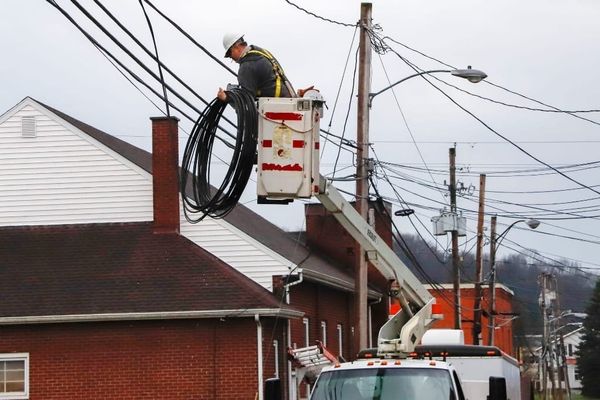
The contribution factor is the percentage of interstate and international voice revenues telecoms will pay into the $8 billion-per-year fund. USF supports building and maintaining rural broadband networks, plus voice and internet discounts for low-income households, schools, and healthcare centers.

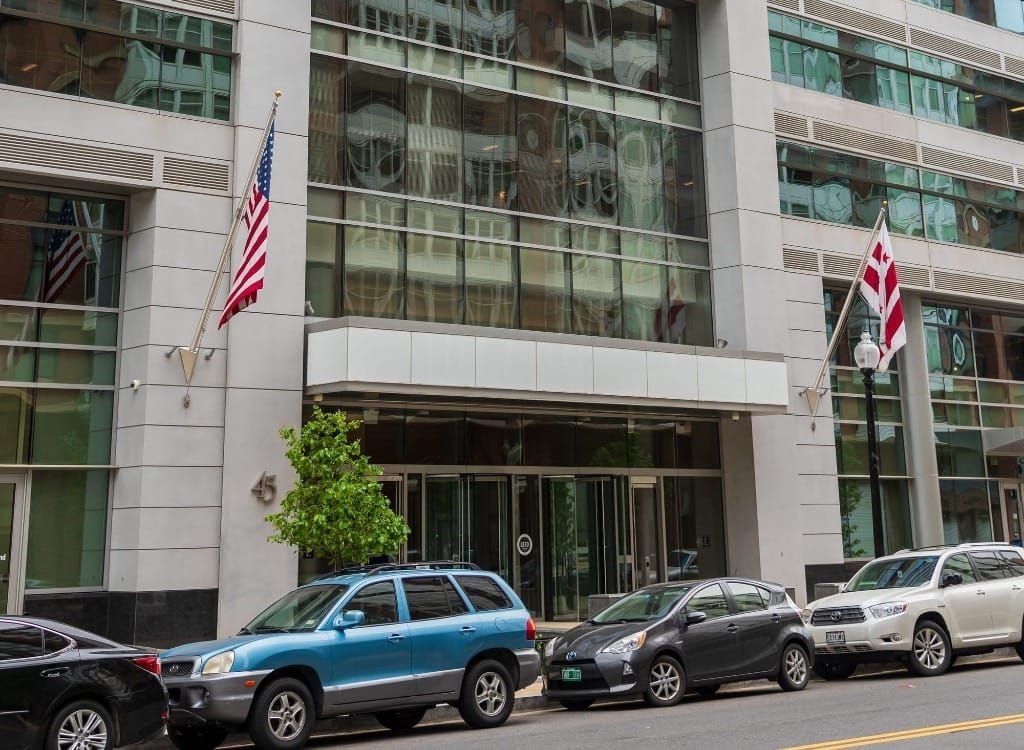
The Federal Communications Commission said in a public notice Monday that the Universal Service Administrative Company, the nonprofit that does administrative work on the fund for the agency, had proposed the 42 percent factor.
That will be set in stone for Q4 if the FCC doesn’t step in, which is uncommon. The agency has said it typically reviews USAC’s work before posting its proposed contribution factors.
In the notice, the FCC said it instructed USAC to use $125 million in unused funds to offset demand for the quarter, bringing the factor below what would have been expected based on projections for demand and assessable revenues.
USF has tapped the same funding source since it was created in 1996, and expenditures have remained flat recently while voice revenue continues to decline.
Lawmakers have been working for years on modernizing the fund and finding a new contribution base. An aide for the working group told stakeholders in April they were aiming to circulate a discussion draft by the end of the summer.
Updating the fund has proved a difficult task, as it will likely mean assessing fees on the revenue of at least one influential industry. Broadband ISPs have pushed lawmakers to add big tech companies to the contribution base, while tech industry groups have insisted broadband providers alone would be sufficient.
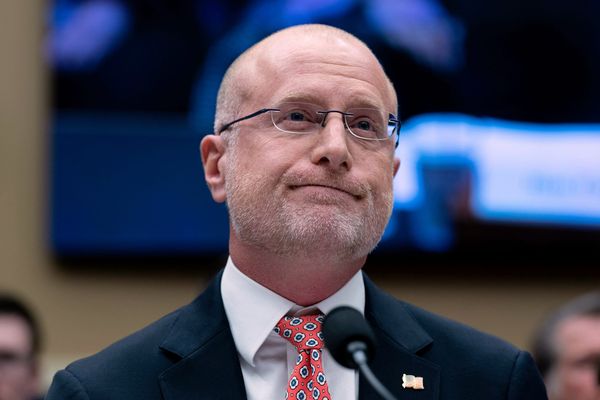
FCC Chairman Brendan Carr has said he supports collecting fees from tech companies. His predecessor, Jessica Rosenworcel, told Congress she feared that going with either ISPs or tech companies would end up driving up consumer prices. She floated online advertisers as a potential source.
Carr has been conducting reviews of multiple USF programs, partly with the aim of reducing expenditures by rooting out fraudulent and unnecessary payments. The agency has historically held that it doesn’t have the authority to address the other side of the problem and expand the contribution, which it has left to Congress.
The program is currently being challenged in court by conservative nonprofit Consumers’ Research. After a loss at the Supreme Court last year, the group is challenging some provisions of the law standing up the fund as unconstitutional.
A panel of judges from the U.S. Court of Appeals for the Fifth Circuit, the court that sided with Consumers’ Research last time, heard oral arguments in the new case last month.