Verizon CEO Eyes Billions in AI Infrastructure Opportunity
Wireless giant races to complete overhaul by November while cutting $5 billion in operating costs

Georgina Mackie
WASHINGTON, May 18, 2026 - Artificial intelligence represents a "once in a lifetime" revenue opportunity, the chief executive of a major wireless carrier said Monday, arguing the company's network infrastructure could generate billions supporting surging AI compute demand.
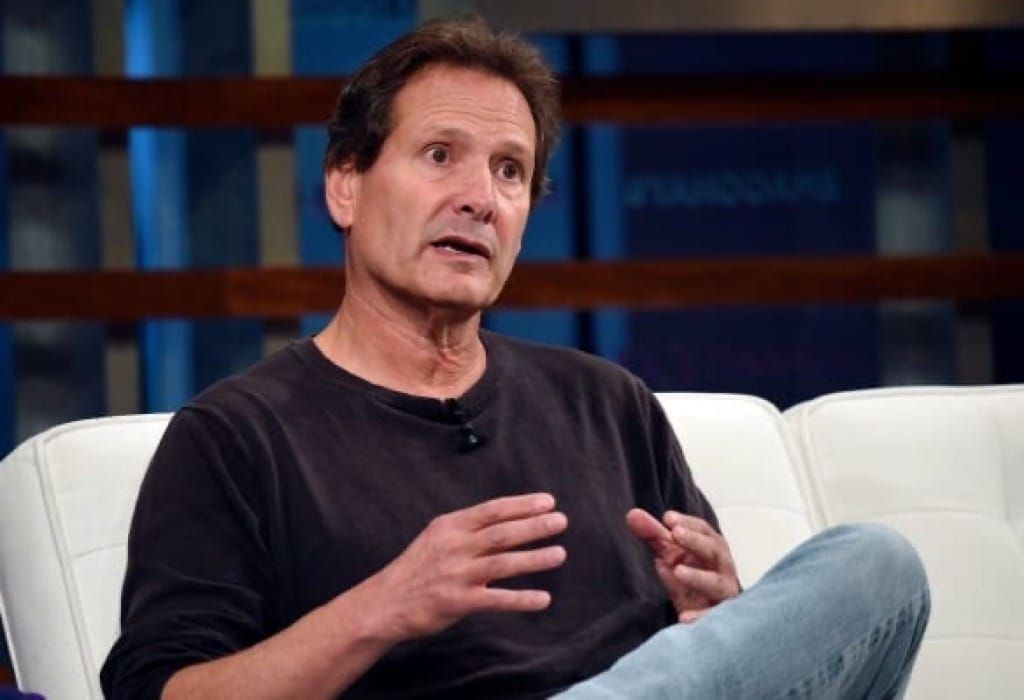
Verizon CEO Dan Schulman, chief executive of Verizon, made the comments during a fireside chat at the J.P. Morgan technology conference, outlining an accelerating AI overhaul and ambitions to profit from the broader AI buildout.
"There is maybe a once in a lifetime opportunity now as AI continues to move, where we can use our infrastructure to support that," Schulman said, adding the opportunity was "multi, multi billion dollars."
Verizon is building a four-layer AI technology stack to automate network operations, customer service, cybersecurity, and internal business functions. Schulman said 85 percent of network issues are already resolved autonomously, with a goal of reaching 100 percent.
"If there's an element in our network that is not remotely patchable, that needs to come out of our network," he said.
The stack will be mostly complete by July and fully implemented by November, unusually fast for the company, Schulman acknowledged.
Schulman tied subscriber growth to AI-powered customer tools. Verizon cut consumer churn - the rate at which customers cancel their service - by five basis points, or 0.05 percent points, in the first quarter, and he said at least half of expected subscriber growth this year would come from continued churn reduction rather than new customer acquisition.
Schulman confirmed a planned joint venture with AT&T and T-Mobile to establish common technical standards for satellite-based coverage aimed at eliminating wireless dead zones, with each carrier developing its own consumer offerings on the shared framework.
Verizon is simultaneously cutting $5 billion in operating expenses and $4 billion in capital expenditures while maintaining what Schulman called the industry's best network.