Verizon to California: Don't Add More Diversity Conditions to Merger
Verizon told the FCC it would roll back diversity initiatives to gain approval to acquire Frontier.

Jake Neenan
WASHINGTON, Oct. 15, 2025 – When it comes to diversity efforts’ impact on mergers, Verizon doesn’t want to be stuck between the Trump Administration and the state of California.
After committing to roll back some diversity efforts in exchange for federal approval, the company is asking state regulators not to condition its acquisition of Frontier on the company violating those very commitments to the feds.
The carrier said it would likely be impossible to comply with both extra demands in California and commitments it already made to the Federal Communications Commission.
The FCC has already approved Verizon’s $20 billion acquisition of Frontier, partly in exchange for Verizon’s commitment to end certain diversity, equity, and inclusion efforts. That includes ending the practice of setting goals for spending money with suppliers owned by women and racial minorities.
That created some friction at the California Public Utilities Commission, which also has to approve the deal, because the agency requires large telecoms and utility companies to submit annual plans for increasing procurement spend with minority-owned businesses.
As a means of satisfying two seemingly contradictory commitments, Verizon told the CPUC in a brief filed Oct. 10 it would use the agency’s minimum benchmarks and continue to report its annual performance relative to those, rather than setting the goals itself. The company has also committed to spend at least $500 million with California-based small businesses over the next five years.
But going much further could jeopardize the entire deal, Verizon said in its brief.
'Serious preemption issues'
“It is also important to realize that attempting to impose conditions that are contrary to or in conflict with the commitments Verizon made to the FCC in connection with its approval of this Transaction on a national level would raise serious preemption issues and jeopardize the Transaction and its significant benefits,” the company wrote.
Verizon said the FCC was clear that the company’s DEI rollbacks were “material to the FCC’s approval,” and a California requirement to reinstate them would be preempted by the FCC approval order.
The CPUC’s Public Advocates Office had previously had concerns about the deal, but reached a settlement with Verizon and Frontier in which the companies agreed to some deployment goals if the deal is approved. The companies also settled with the California Emerging Technologies Fund and the Communications Workers of America – the diversity-related commitments were from the CETF settlement.
But the Public Advocates Office didn't address the DEI concerns. The office said in a brief that the CPUC should consider imposing “any conditions of approval that are deemed necessary to ensure that Verizon fully complies with California’s policies that promote a vibrant, diverse, equitable and inclusive economy.”
The Center for Accessible Technology (CforAT), which opposes the deal, said the CPUC should not avoid imposing extra conditions on the merger because of Verizon’s commitments to the FCC. The group said the FCC hadn’t investigated the company for its diversity practices before the deal, suggesting the agency didn’t think they were actually violating the law and was looking to secure ideological concessions before letting the deal go through.
That would likely make them susceptible to a First Amendment challenge if Verizon had the will to bring one, CforAT argued, and ultimately unenforceable.
The companies “inexplicably assert absolute fealty to the FCC Commitments yet argue that compliance with the CPUC’s diversity requirements is optional or negotiable,” the group wrote. The CPUC “should reject arguments that Joint Applicants are irrevocably bound to the commitments in the FCC Letter.”
Reply briefs are due Oct. 31, with a decision scheduled for sometime in the first quarter of 2026. Verizon has been eager to secure a decision before Feb. 13, because at that time the deal’s Justice Department approval would expire and the company would require another lengthy review.
The company has publicly been confident it will ultimately secure approval in California.
“We have work to do in a few of the states, but it’s typical of any transaction,” Sowmyanarayan Sampath, head of Verizon’s consumer group, said at a conference last month.
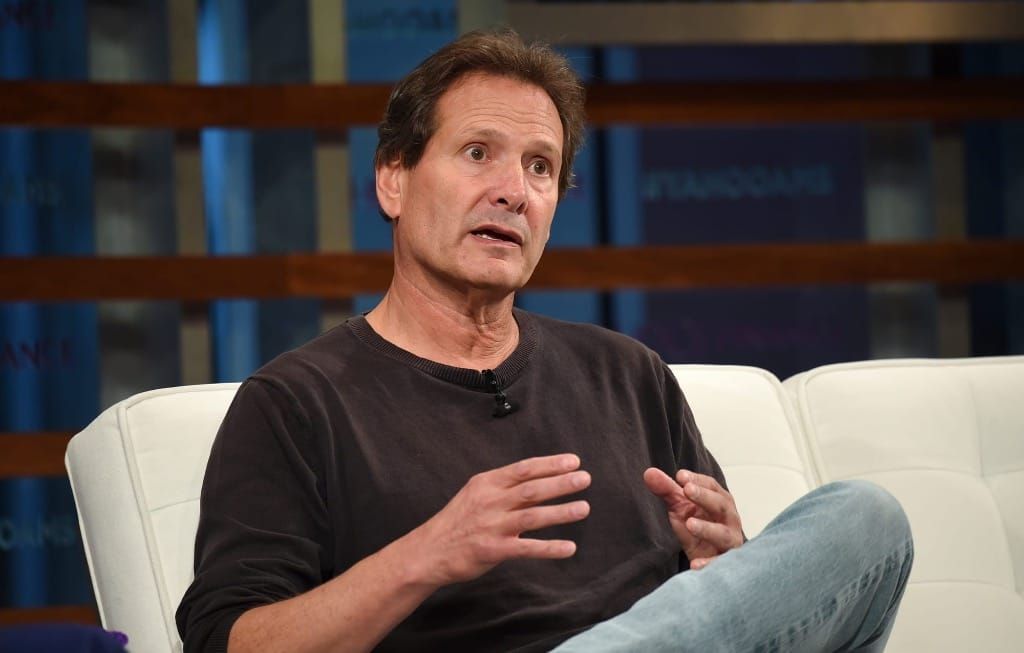
Verizon also unexpectedly changed its top leadership recently. Former CEO Hans Vestberg was replaced with Dan Schulman, the former CEO of PayPal and head of Verizon’s board.
“As the Board and I discussed, with the pending acquisition of Frontier, it is a good time to pass the baton to Dan,” Vestberg said in a statement at the time.