Virginia Lawmakers Deadlocked on Data Center Tax Incentive
Senate moves to end incentives while House seeks to preserve them with new rules.

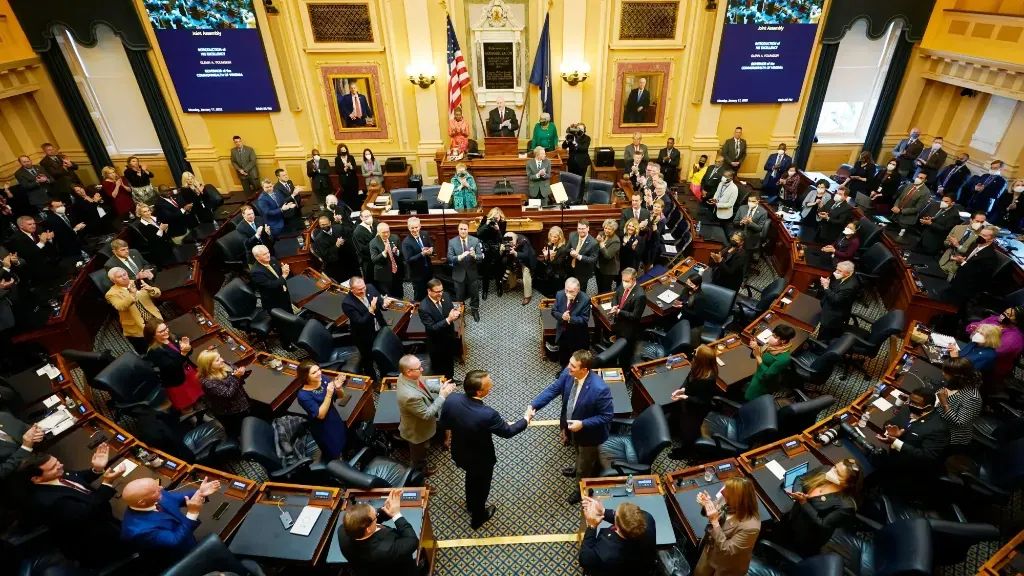
April 24, 2026 – Virginia lawmakers remain divided over how to tax and regulate data centers after failing to reach agreement on a state budget that includes changes to a key industry tax incentive.
The dispute centers on the state’s data center retail sales and use tax exemption, which is set to run through 2035. The Senate proposed eliminating the incentive beginning Jan. 1, 2027, while the House moved to preserve it with new environmental and energy requirements.
The impasse has stalled budget negotiations for weeks and sent lawmakers back to Richmond for a special session on Thursday.

After a brief floor session Thursday, state lawmakers recessed without a deal, leaving no clear timeline for when a compromise on the state’s tax incentive for data centers may be reached.
Democratic Gov. Abigail Spanberger has urged caution in altering the incentives which data centers rely upon when making major investments.
Virginia hosts the world’s largest data center market, with 6,426 megawatts of operational capacity as of mid-2025 and more than 24,000 megawatts planned.
Data centers generate more than $9.1 billion in GDP and $5.5 billion in labor income in Virginia, while contributing more than $2 billion in local tax revenue.
The 5.3 percent sales and use tax on server equipment and software up for debate causes the state to lose out on about $1.6 billion annually.
The divide reflects broader tensions over the industry’s economic benefits and its growing infrastructure demands.
At the same time, electricity demand from data centers is projected to double over the next decade, requiring significant new generation and transmission infrastructure. Facilities also place increasing pressure on water resources.
Lawmakers advanced multiple bills during the 2026 session to address those impacts, many were approved by the state governor by an April 13 deadline.
One measure, Senate Bill 94, requires environmental and community impact assessments for high-energy-use facilities, those consuming more than 100 megawatts, before local approval.
Another, Senate Bill 553, requires utilities to begin reporting monthly water usage by data centers starting in 2027.
Additional legislation targets backup generator standards, electricity cost allocation, and clean energy procurement requirements.