
Vodafone Forms Open-Access Satellite Company to Close Europe's Connectivity Gaps
In the same keynote, AT&T's Stankey said company had achieved 40% improvement in software development efficiency through AI


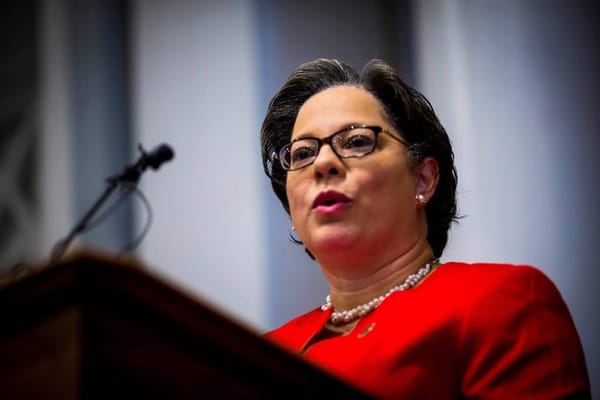
BARCELONA, March 5, 2026 — Vodafone Group, the London-based multinational telecommunications operator, launched a new open-access satellite company with three major European carriers signed on to deliver connectivity to mobile phones without hardware modifications.
Paris-based Orange, Madrid-based Telefonica, and the Norwegian state-owned Telenor Group — collectively representing 10 European markets — have signed on, Vodafone Chief Executive Margherita Della Valle announced Monday at Mobile World Congress in Barcelona.
Vodafone built the company, called Satellite Connect Europe, in partnership with AST SpaceMobile, a Texas-based satellite communications firm.
The new company will allow operators to offer customers calls, messaging, video calls, and internet access from anywhere on Earth without requiring device or plan changes. Della Valle said that capability would become increasingly critical as artificial intelligence expands into vehicles, robots, and sensors that require continuous mobile connections.
Della Valle said Vodafone has worked on satellite connectivity since 2019 and already operates satellite services for its IoT platform, a network allowing physical objects such as vehicles and industrial sensors to exchange data, which she described as the largest in the Western world with 230 million connections.
In early 2025, Vodafone completed what it described as the world's first video satellite call placed to an unmodified mobile phone, connecting from a UK satellite gateway to an engineer in a remote area of Wales where no terrestrial signal was available.
Della Valle said the satellite sector faces a regulatory gap she described as a "Wild West" problem, with technology outpacing both national and international standards-making. She called for clear safety and security standards for satellite communications and said international collaboration on those rules must advance while respecting local sovereignty.
She warned that individual operators taking unchecked risks could undermine trust across the entire industry.
She pointed to the International Space Station, as a joint project involving five space agencies and 15 countries, as a model for the kind of cross-border cooperation the satellite sector now requires.
AT&T: From hardware to software
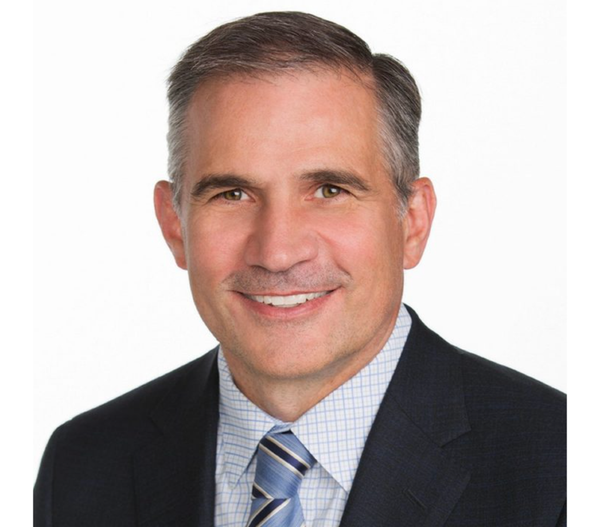
At the same keynote, AT&T, the company with the most fixed broadband fiber subscribers, said it has achieved nearly a 40 percent improvement in software development efficiency through artificial intelligence, Chairman and CEO John Stankey said at the same event.
Stankey said AT&T has invested approximately $24 billion annually for more than four years. He said the U.S. market has reached a competitive inflection point, producing lower wireless and broadband prices, rising speeds, and growing gigabit access.
Beyond operational gains, Stankey said AT&T is deploying AI to dynamically realign antennas and shift network capacity in response to real-time traffic. The company is also using AI-driven micro-pricing - dynamic price-setting based on building-level data, competitor presence, and available network capacity - to enter markets it had not previously addressed on pricing.
Stankey said the industry should move away from upgrade cycles that require operators to replace entire hardware infrastructures on fixed timelines, a practice known as a forklift upgrade, arguing that software flexibility can deliver most of the capabilities customers want at lower cost and disruption.


Member discussion