
West Virginia BEAD Plan Approved
The approved plan would spend $78 million less than the state's tentative awards.

Jake Neenan
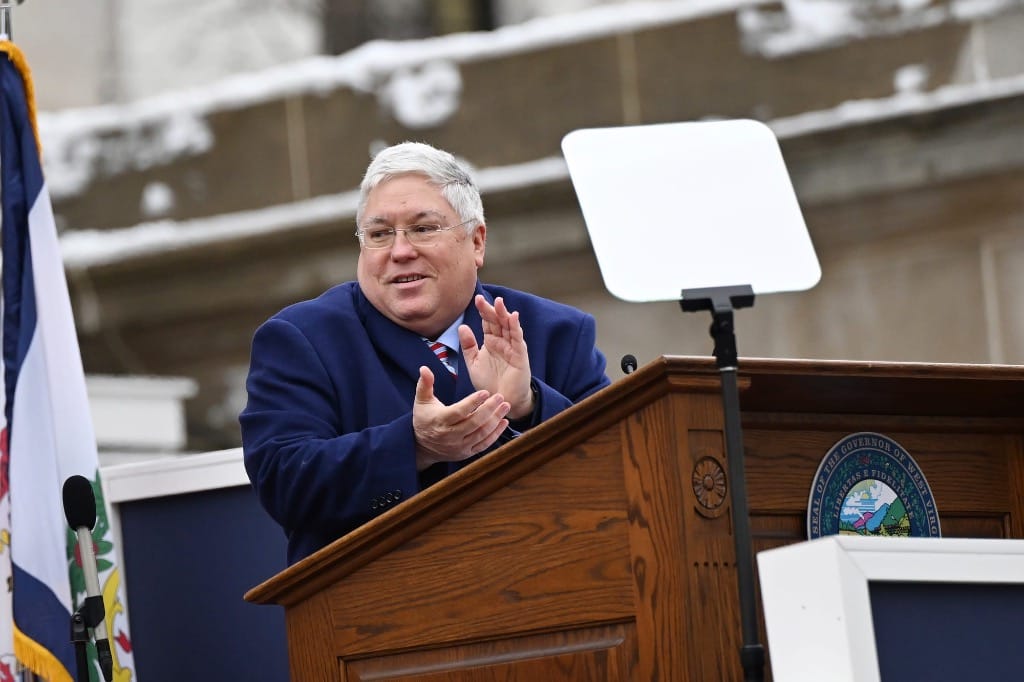
WASHINGTON, Nov. 21, 2025 – West Virginia’s final spending plan under the Broadband Equity, Access, and Deployment program has been approved by the Commerce Department, the state’s governor announced Friday.
The approved plan would spend $545 million on broadband deployment to about 73,044 locations, according to a release from the office of West Virginia Gov. Patrick Morrisey (R).
That’s a reduction of more than $78 million from the state’s tentative plan posted in September, which was mostly fiber, and about 650 fewer locations. Broadband Breakfast reached out to the state’s broadband office for a copy of the approved plan and location-level data, which wasn’t online Friday morning.
“This means West Virginia is another step closer to better-connecting our homes, businesses, and classrooms across the state,” Sen. Shelley Moore Capito, R-W. Va., said in a separate statement released Thursday. “I have had dozens of conversations with the Administration and our state officials, and while there is still a long road ahead to getting more West Virginians connected, we are well on our way with today’s announcement.”
National Telecommunications and Information Administration Administrator Arielle Roth said in a statement in Capito’s release that an August visit to the state was “invaluable in deepening my understanding of” West Virginia’s “unique connectivity challenges.”
On a local radio show in September, Capito said she, the broadband office, and West Virginia ISPs took Roth’s visit as a chance to defend the state’s plans to get fiber to nearly 95 percent of its eligible locations. The Trump administration has pushed for states to save on deployment cost, and fiber has the highest capacity but is more expensive to deploy.
“We basically said ‘In West Virginia, it is almost impossible to be served adequately by any kind of satellite. There’s latency, you can’t get it. The trees, the hollers, all of those things,’” Capito said. “We’re trying to make the case that hardwiring, or fiber, is the only way to go. Which is more expensive.”
She spoke on WCHS Radio’s The Dave Allen Show.
With the addition of West Virginia, 17 states have had their final proposals approved, along with three territories. One state, Louisiana, has had their award cleared by BEAD’s grants manager, a separate process, and has access to their funding.
Not all those states have posted their NTIA-approved final proposals, but at least Texas, Louisiana, and Maine showed relatively few changes from their tentative results.
West Virginia was allocated more than $1.2 billion, putting its approved awards about $654 million under budget. Other states have also delivered on the Trump administration’s desire for savings, with the approved plans now coming in about $8.6 billion below their allocations.
NTIA expects more than $21 billion remaining
Based on tentative approvals, NTIA expects more than $21 billion of the program’s funding not to be needed for broadband deployment projects.
It’s not clear what will happen to that money, as NTIA rescinded approval for non-deployment activities in June. Roth has suggested potentially using some of the money to streamline permitting processes, but said last month that “no final decisions have been made.”
Capito, along with some other lawmakers, have been pushing for states to hang on to their full allocations. Broadband offices had been planning to use remaining cash for broadband adoption efforts, workforce development, and other things.
A draft executive order circulated Wednesday would direct NTIA to prepare a memo detailing plans to withhold non-deployment funds from states with “onerous” regulations on AI companies.
“Any legal implications of conditioning access to federal broadband funding on state AI laws would not be known until NTIA released its guidance articulating those conditions,” Sean Conway, former deputy chief counsel at NTIA, said in an email Thursday. “With that said, one could foresee conditions potentially raising grants law, appropriations law, and even constitutional issues depending on the substance of the conditions.”




Member discussion