West Virginia Orders Utilities to Pay for Pole Replacements

Regulators warn delays could jeopardize federal broadband deployments.

West Virginia Orders Utilities to Pay for Pole Replacements
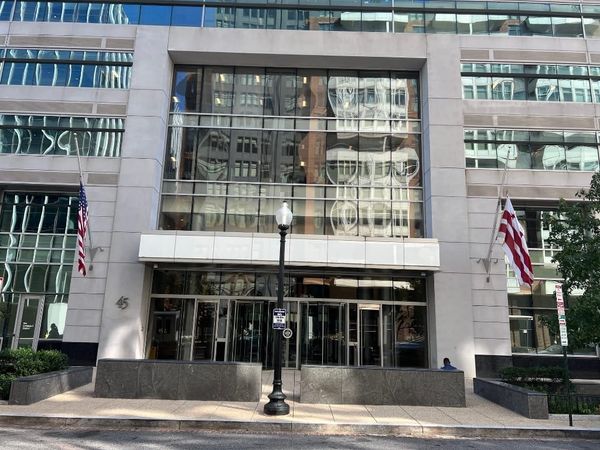
Photo of the West Virginia Public Service Commission from the Parkersburg News and Sentinel

WASHINGTON, Oct. 20, 2025 – West Virginia regulators ordered regulated utilities to pay to replace deteriorated poles, and said slow utility action was stalling broadband projects.

The state’s Public Service Commission on Thursday ordered that regulated pole owners, not broadband providers, must pay to replace “red tagged” poles that are too old, unsafe, or damaged for new attachments. The decision followed growing frustration over slow utility coordination that officials said was holding back broadband construction statewide.

“We are concerned that continuing delays are jeopardizing the availability of federal funding for broadband expansion,” the state Commission said. “This is unacceptable. We expect attachment requests to proceed without delay.”

The Commission said pole owners “have not been consistent and aggressive in identifying poles that should be replaced,” and warned that further inaction could stall projects tied to federal broadband grants. West Virginia has more than 2.5 million utility poles, mostly owned by electric and telephone companies.

The decision came as state officials advanced an $8.1 million proposal to create a pole database to track conditions and improve coordination between utilities and broadband providers. Utilities have opposed the plan, and argued that compliance would be costly and slow to implement.

In its order, the Commission said its approach “aims to promote fairness and efficiency in broadband deployment, especially in underserved areas where infrastructure upgrades are critical.”

The order reinforced the state’s effort to clear infrastructure barriers and stay on schedule for its $624.6 million of the $42.5 billion federal Broadband Equity, Access, and Deployment program. West Virginia’s draft BEAD plan projected 94 percent of new connections to be built with fiber, the highest percentage share in the nation. Regulators said resolving pole disputes was critical to keeping those projects on time and protecting federal funds.

Member discussion

Popular Tags